
The Calathea lancifolia, better known as the Rattlesnake Plant, is one of the most eye-catching houseplants you can grow. Its long, wavy leaves are marked with dramatic dark green blotches that mimic snake skin, while the undersides carry a deep, wine-purple tone that adds even more drama. Native to the shaded forest floors of Brazil, this plant thrives when its indoor environment mimics that warm, humid, filtered-light habitat.
Below are 11 essential care tips to help your Rattlesnake Plant stay healthy, vibrant, and pattern-perfect — each paired with a detailed image prompt so you can visualize (or generate) exactly what great care looks like.
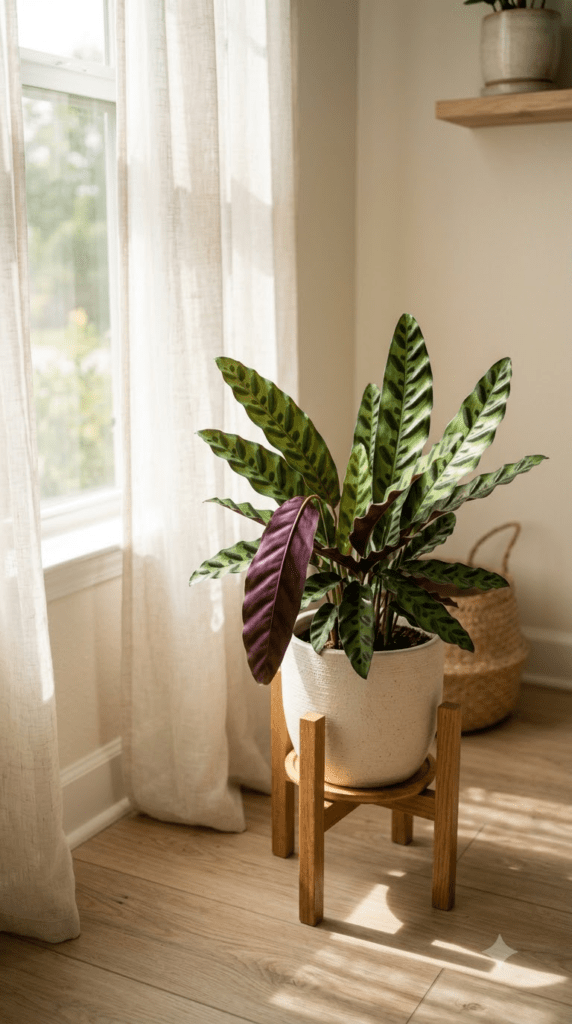
1. Bright, Indirect Light Is Non-Negotiable
Rattlesnake Plants evolved under a rainforest canopy, so they’re adapted to filtered light rather than direct rays. Too much direct sun scorches the leaves and fades their signature pattern; too little light causes leggy growth and dull coloring. An east-facing window offering gentle morning sun, or a north-facing window with soft all-day brightness, is ideal.
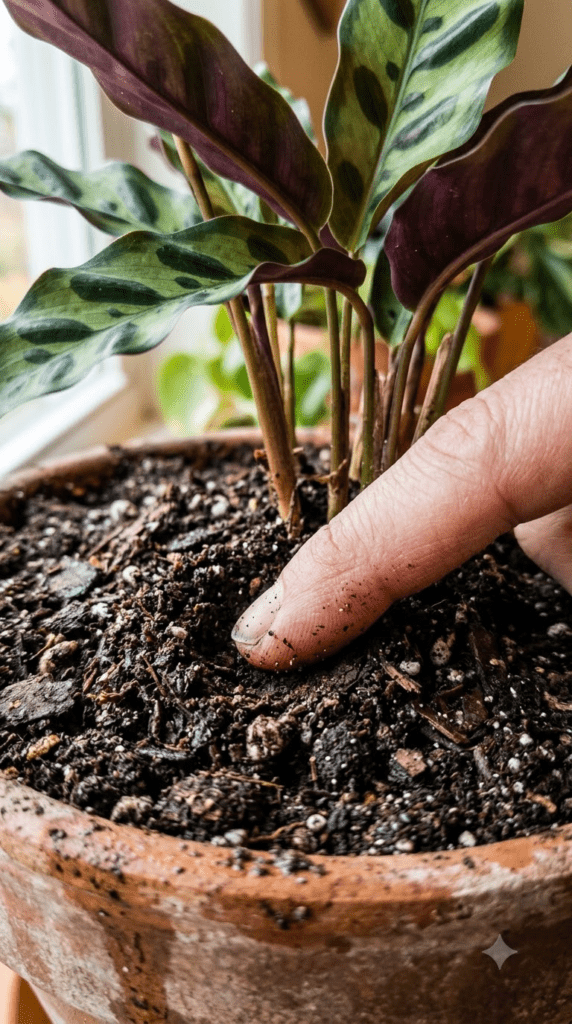
2. Water When the Top Inch of Soil Dries Out
Consistency is everything with this plant. The goal is soil that’s evenly moist — never bone-dry, never swampy. Overwatering invites root rot and yellowing leaves; underwatering leads to crispy, curling edges. Checking the soil with a finger test is more reliable than sticking to a rigid schedule.
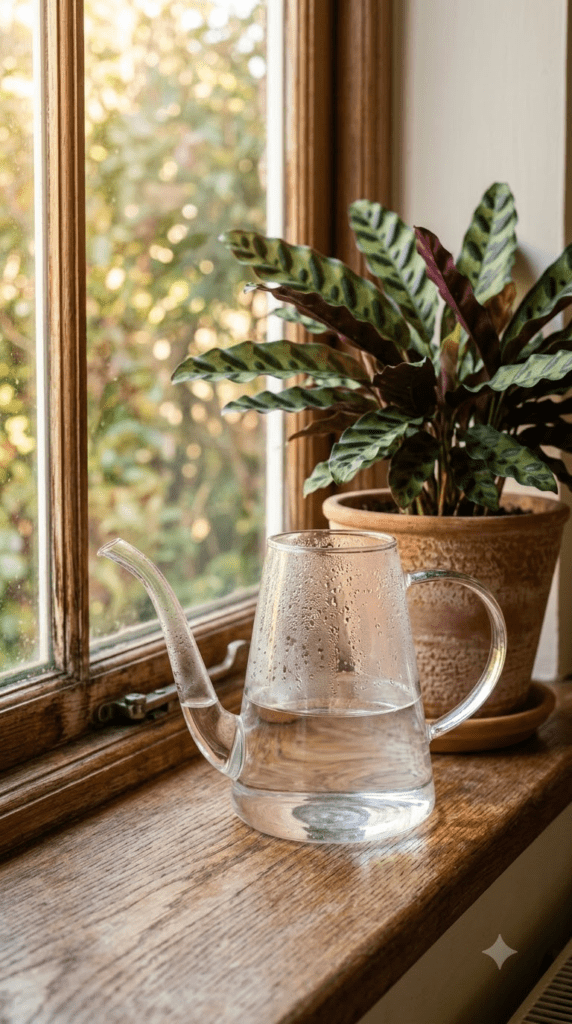
3. Use Room-Temperature Filtered, Distilled, or Rainwater
Tap water often contains chlorine, fluoride, and dissolved minerals that build up in the soil and scorch leaf tips over time. Letting water sit out overnight lets chemicals dissipate and brings the temperature up to a gentler, root-friendly level.
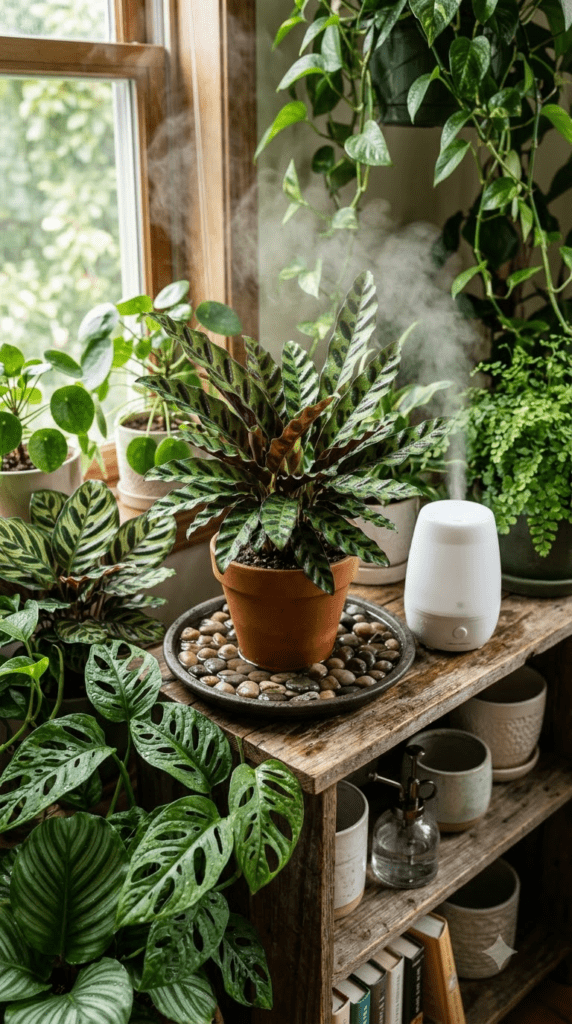
4. Keep Humidity Above 60%
This is a rainforest plant at heart, and dry indoor air — especially in winter with heating systems running — is its biggest enemy. A humidifier, pebble tray, or grouping plants together all help recreate the moist air this Calathea craves.
5. Fertilize Monthly During Spring and Summer
During its active growing season, the Rattlesnake Plant benefits from a balanced liquid fertilizer diluted to half strength. This fuels new leaf growth without overwhelming the roots. Fertilizing should pause completely in fall and winter when the plant rests.
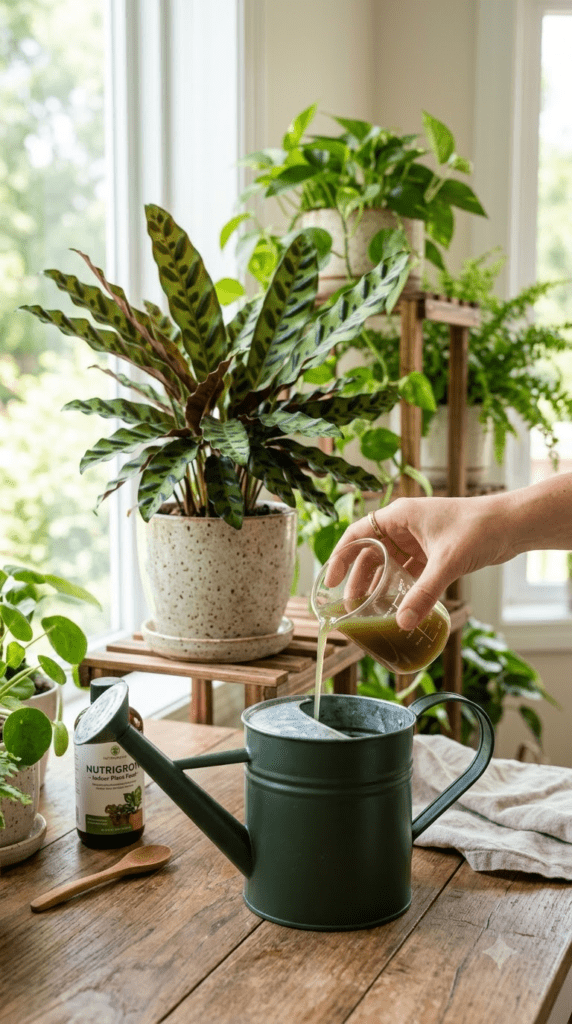
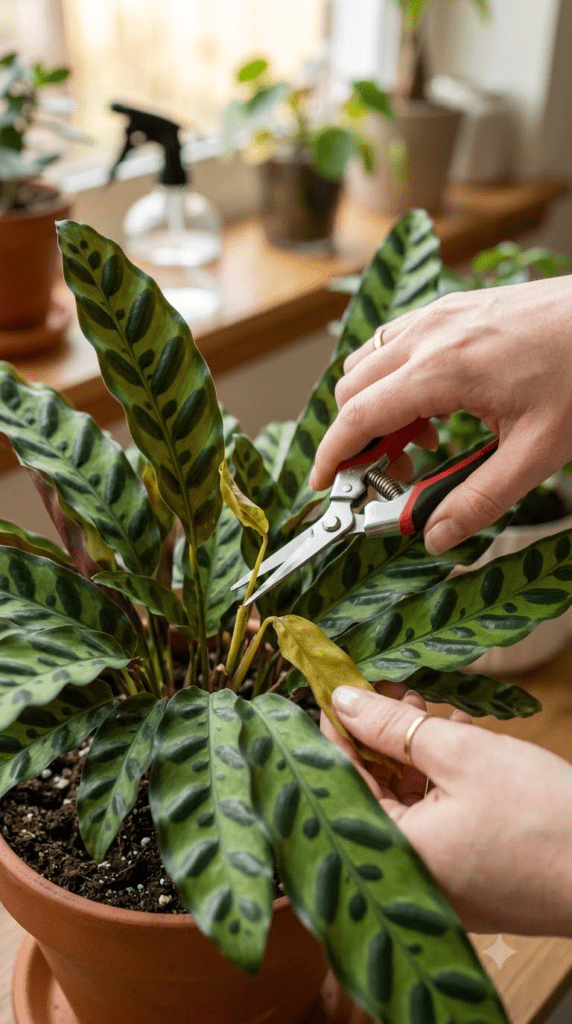
6. Prune Damaged Leaves Promptly
Yellow or brown leaves won’t recover, and removing them lets the plant redirect energy toward healthy new growth. Clean, sharp scissors and a cut close to the base (rather than tearing) keep the plant looking neat and prevent stress on nearby leaves.
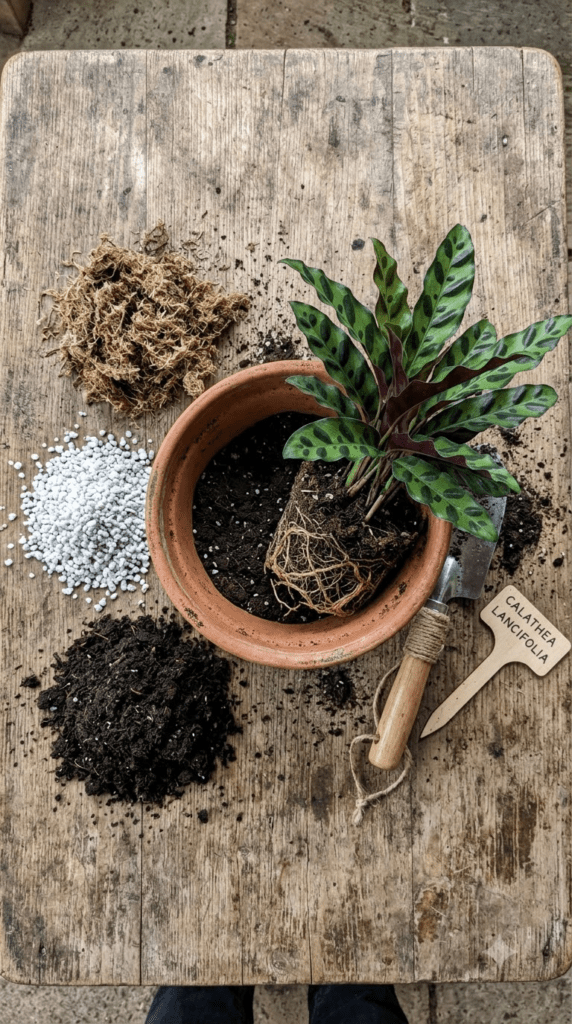
7. Use a Well-Draining, Organic-Rich Potting Mix
A blend of peat moss (or coco coir), perlite, and compost creates the airy, moisture-retentive-but-fast-draining environment this plant’s roots need. Heavy, compacted soil is a fast track to root rot.
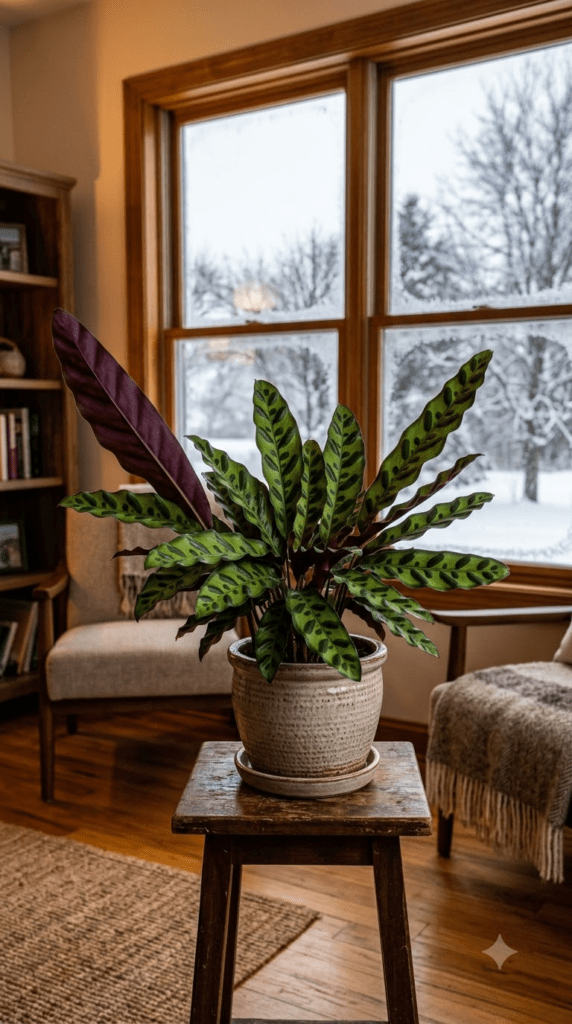
8. Protect From Cold Drafts and Temperature Swings
Sudden cold air — from an open door, drafty window, or air conditioning vent — can shock this tropical plant and cause leaf curling or browning. Keeping the plant in a steady 65–75°F range, away from drafts, keeps it stable and stress-free.
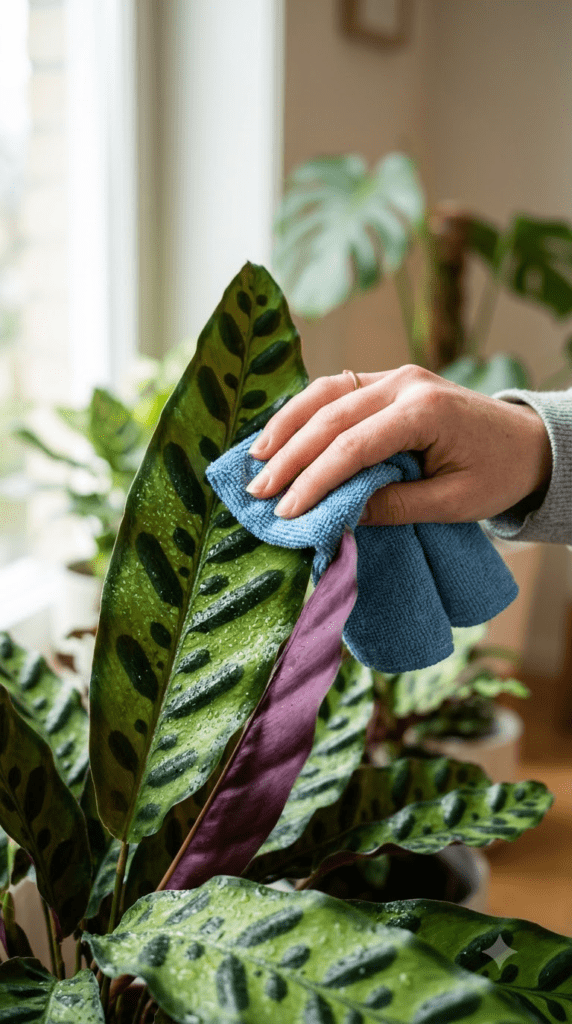
9. Wipe Leaves With a Damp Cloth Regularly
Dust dulls the leaves and blocks light absorption, slowing photosynthesis. A gentle wipe every couple of weeks with a soft, barely-damp cloth keeps the patterns vivid and doubles as a chance to check for early pest issues.
16 Futuristic Bathroom Designs with Glowing LED Accents & Sleek Floating Vanities
24 Gorgeous Container Garden Designs You’ll Want to Copy
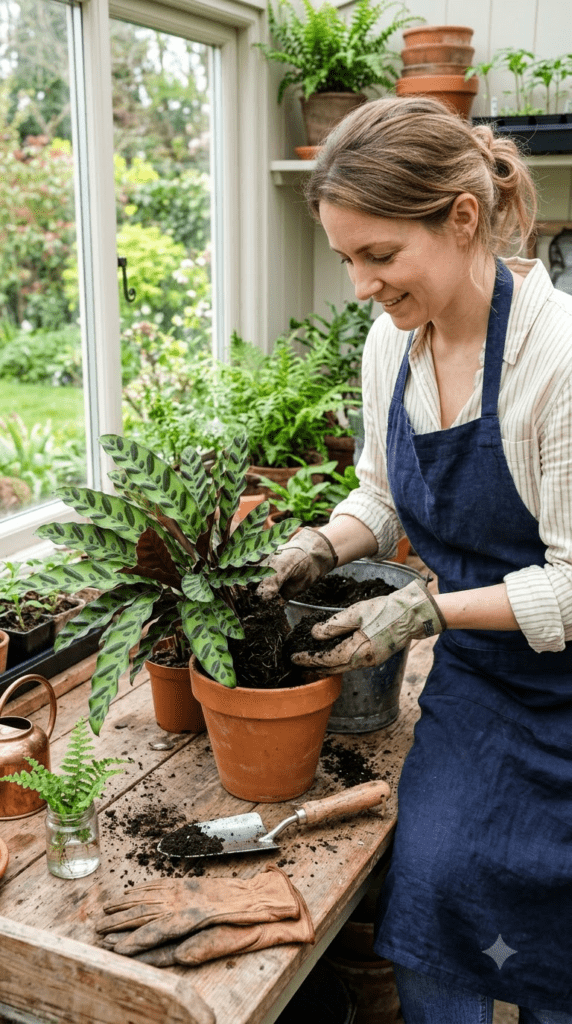
10. Repot Every 1–2 Years in Spring
As roots fill out a pot, fresh soil and slightly more room help the plant continue thriving. Spring repotting takes advantage of the plant’s natural growth surge, and sizing up by only about two inches prevents overwatering issues in an oversized pot.
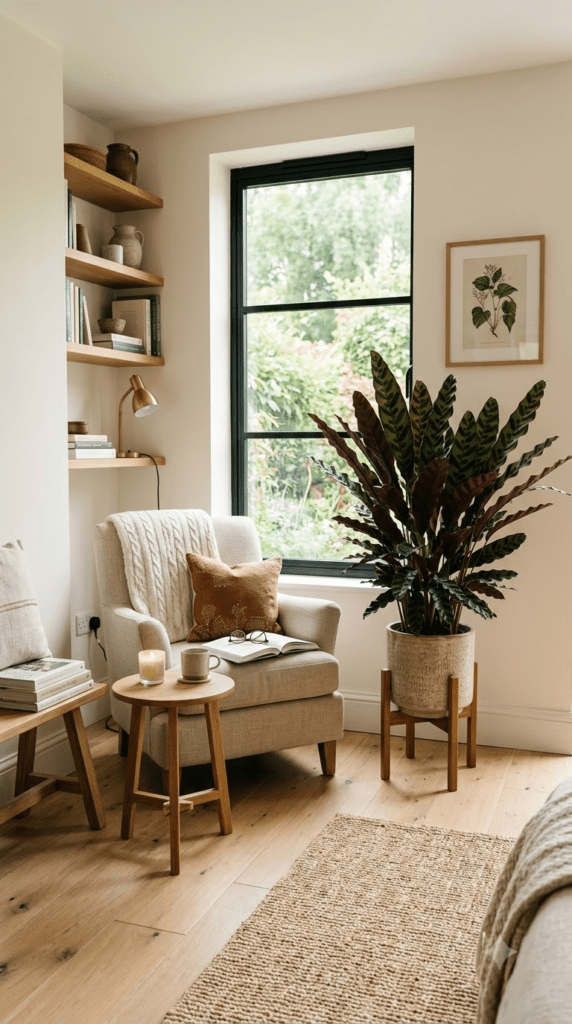
11. Choose a North- or East-Facing Window for the Best Long-Term Spot
For consistent, season-round health, a north- or east-facing window offers the ideal balance of brightness without harsh intensity. This positioning keeps the leaf patterns bold and prevents the washed-out look that comes from too much direct sun.
Final Thoughts
The Rattlesnake Plant rewards a little consistency with some of the most striking foliage in the houseplant world. Nail the light, water, and humidity balance, keep an eye out for pests and dust buildup, and refresh its soil every year or two — and you’ll have a thriving, jungle-worthy centerpiece for your home.