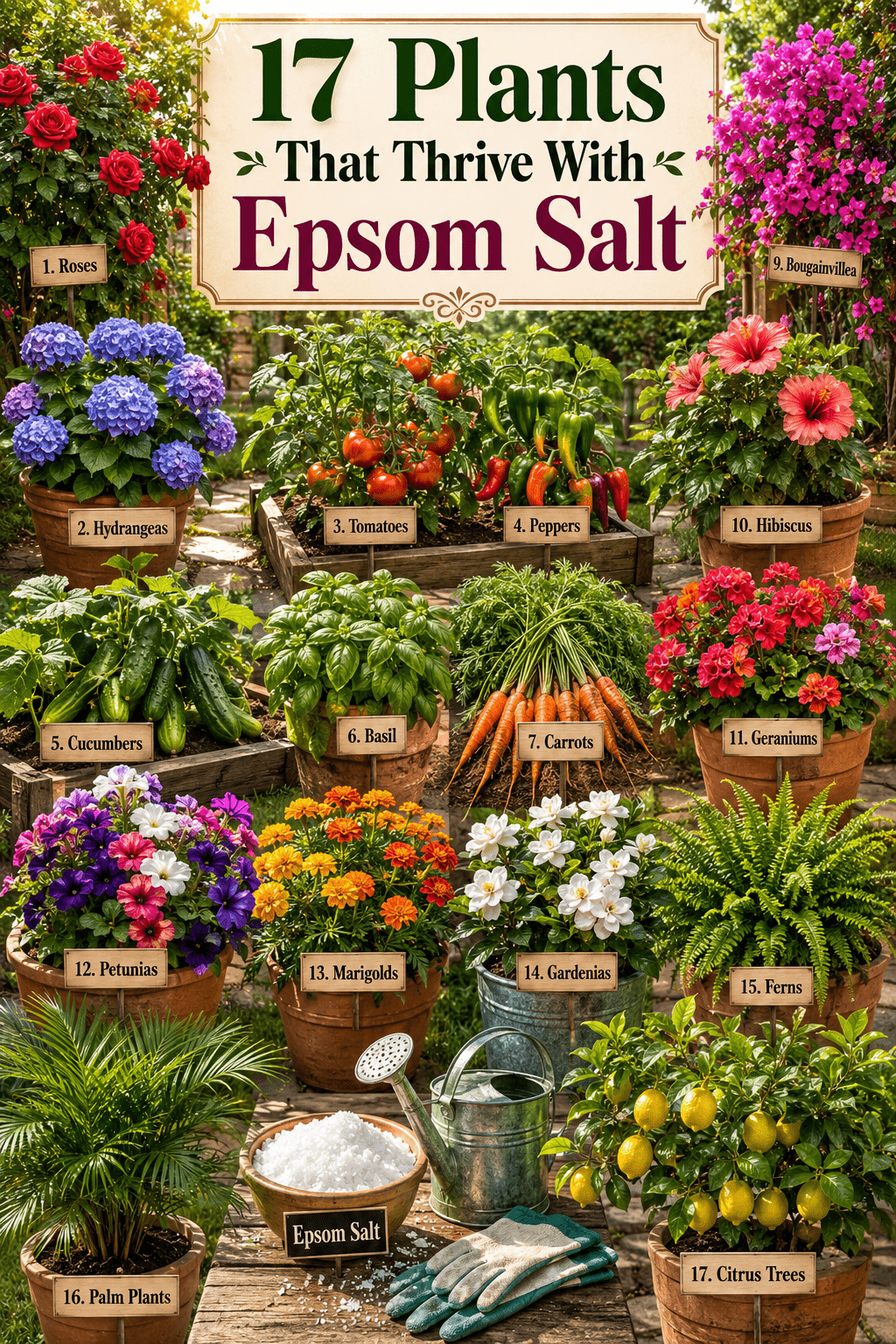
Epsom salt has earned a permanent spot in many gardeners’ toolkits, and for good reason — this simple, affordable compound (magnesium sulfate) provides two nutrients many plants crave: magnesium and sulfur. Magnesium is essential for photosynthesis and chlorophyll production, while sulfur supports protein synthesis and root development. When plants lack these nutrients, it often shows up as pale, yellowing leaves and sluggish growth.
Here are 17 plants that respond especially well to Epsom salt, along with quick usage notes and an image for each.
1. Tomatoes
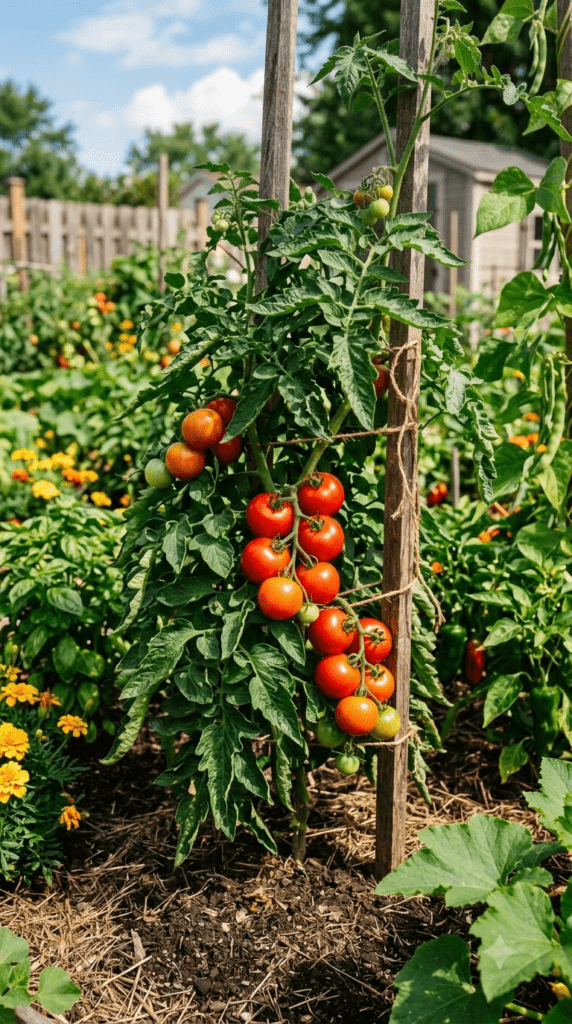
Tomatoes are one of the most responsive vegetables to Epsom salt, often greening up and growing sturdier stems within weeks. Mix one tablespoon per gallon of water and apply monthly, or add a tablespoon to the planting hole for new seedlings.
2. Roses
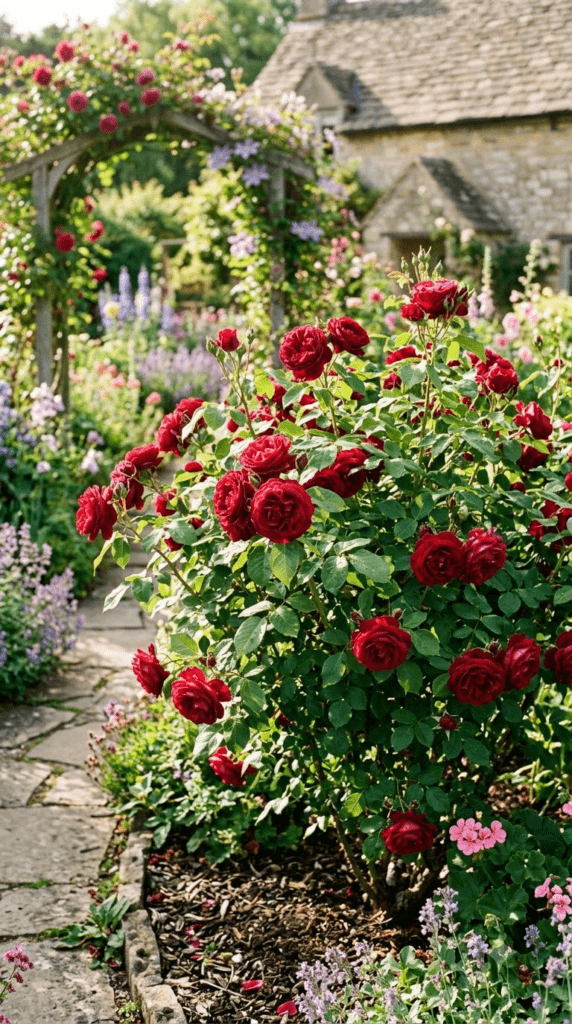
Epsom salt helps roses grow sturdier stems, deeper green foliage, and more vibrant blooms by supporting chlorophyll production. Use one tablespoon per gallon of water monthly during the growing season, watering at the base.
3. Peppers
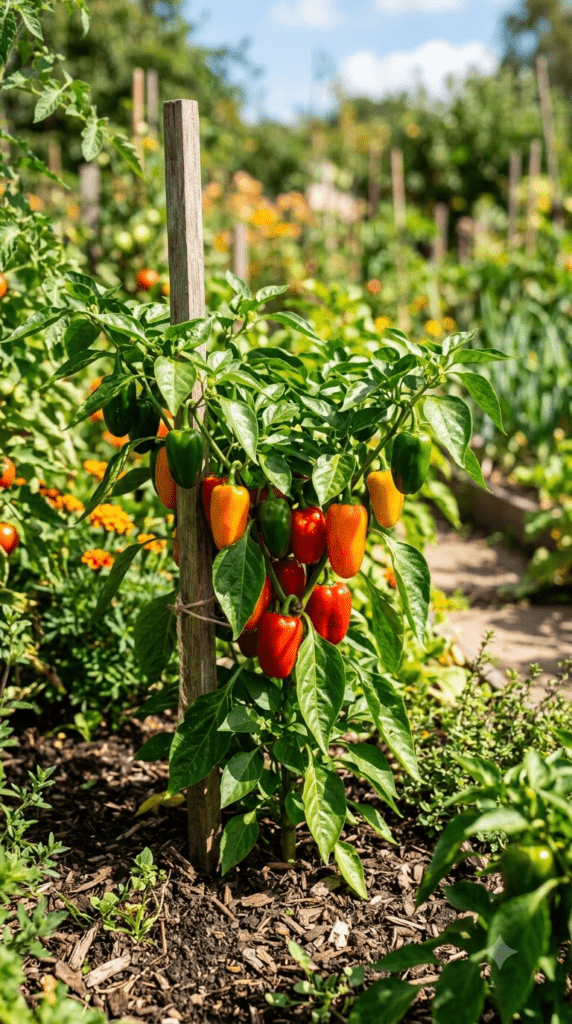
Pepper plants often perk up with a magnesium boost, developing healthier leaves and more abundant fruit. A foliar spray of one tablespoon of Epsom salt per gallon of water every two to three weeks works well, especially if leaves show yellowing between the veins.
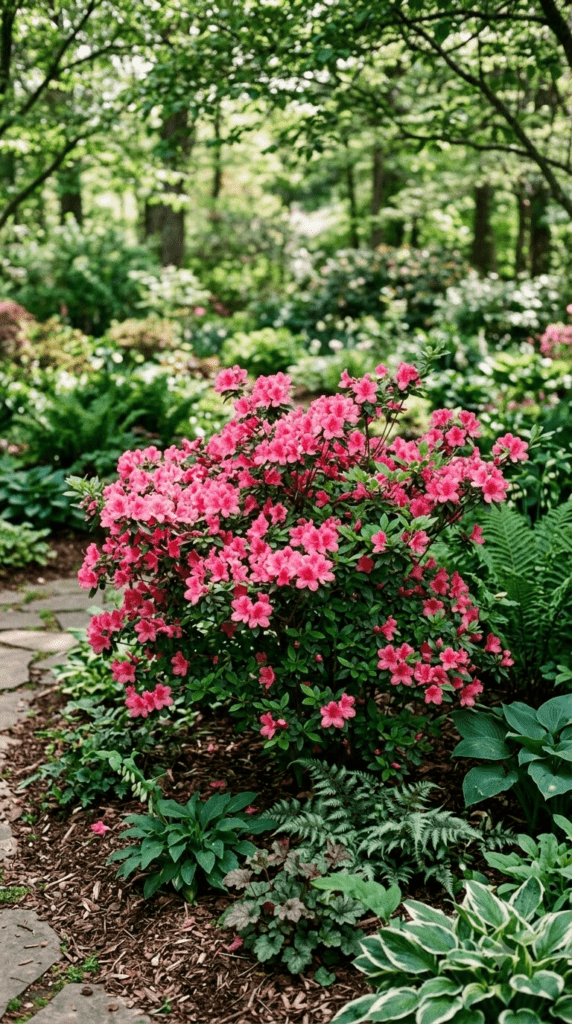
4. Azaleas
Azaleas can be prone to yellowing leaves when magnesium runs low, and Epsom salt helps restore that vibrant green color and steady growth. Apply one tablespoon per gallon of water monthly to moist soil around the base.
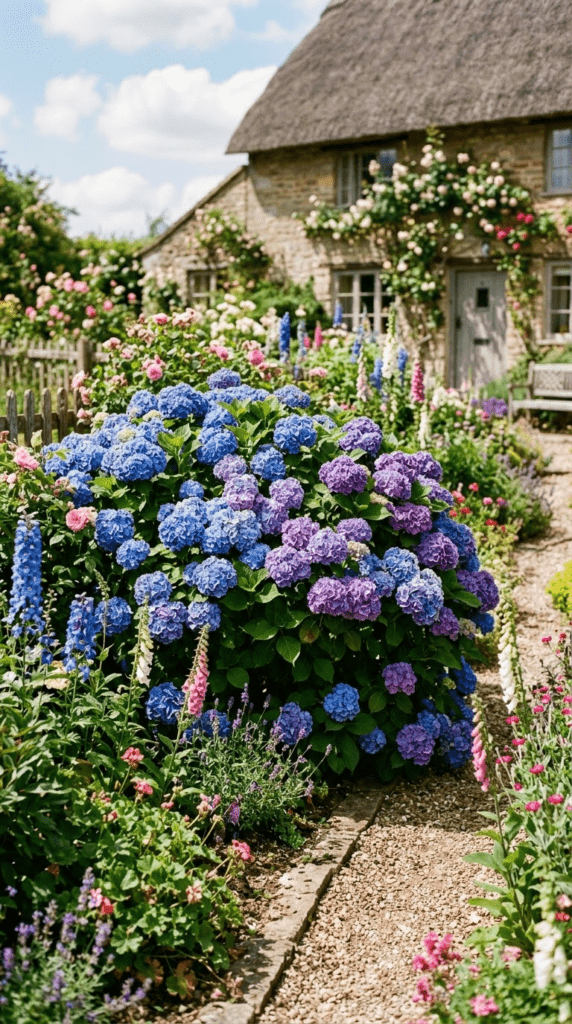
5. Hydrangeas
Magnesium from Epsom salt supports sturdy stems and lush foliage in hydrangeas, complementing their already dramatic blooms. Dissolve one tablespoon per gallon of water and apply monthly, always watering the plant first to prevent root shock.
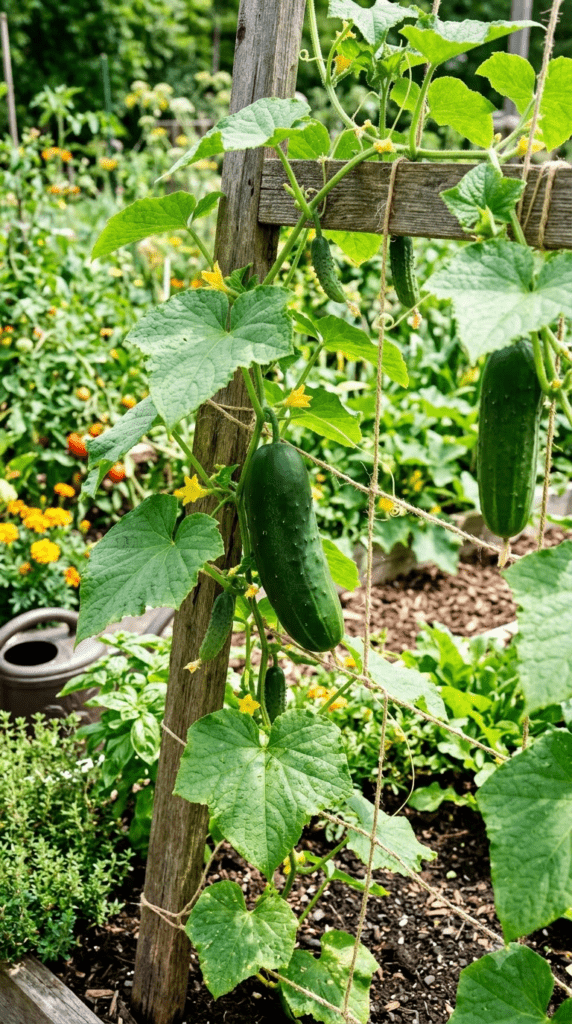
6. Cucumbers
Cucumbers benefit from the magnesium and sulfur in Epsom salt, which supports greener leaves and stronger flowering. Mix one tablespoon per gallon of water and apply every few weeks via soil soak or foliar spray.
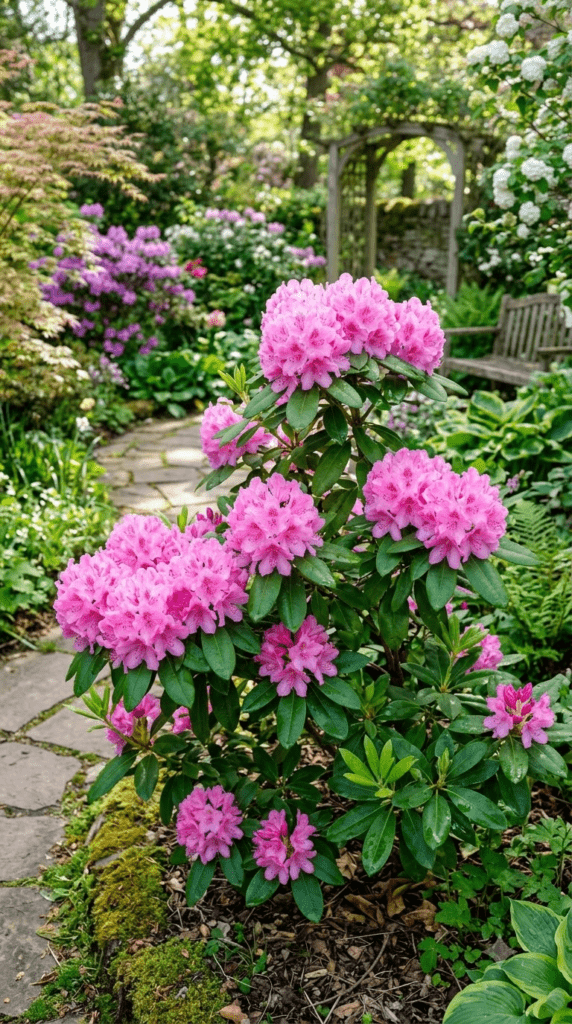
7. Rhododendrons
Like their azalea cousins, rhododendrons can develop pale leaves when magnesium is scarce, and Epsom salt helps restore deep, healthy green foliage. Apply one tablespoon per gallon of water monthly during the growing season, ensuring good soil drainage.
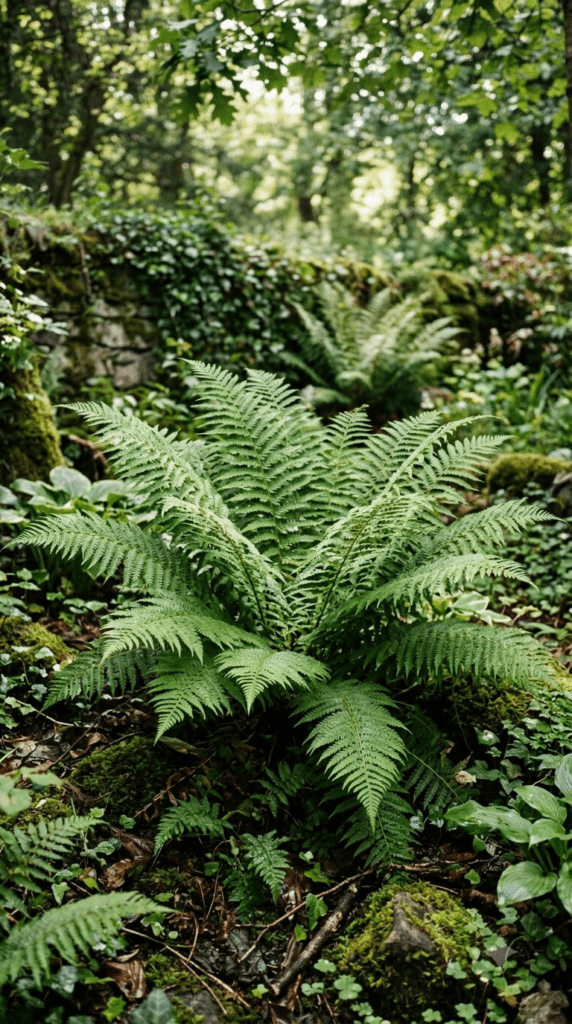
8. Ferns
Ferns respond well to a light monthly feeding of Epsom salt, which encourages healthy, vibrant fronds and better nutrient uptake from the soil. Mix one tablespoon per gallon of water for a soil soak, or dilute further for a gentle leaf spray.
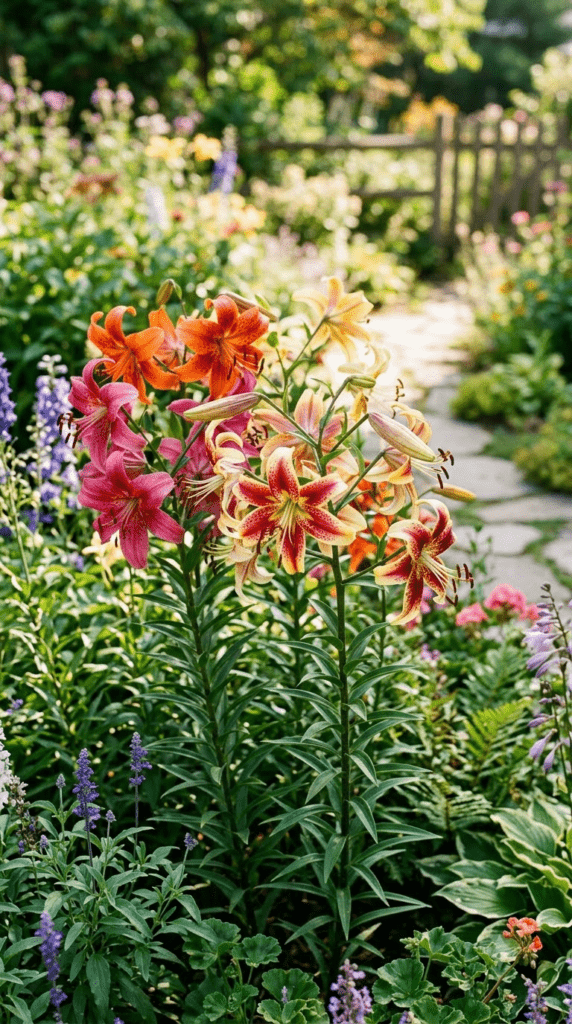
9. Lilies
Epsom salt helps lilies absorb nitrogen and phosphorus more efficiently, resulting in sturdier stems and more vibrant, longer-lasting blooms. Water with a mix of one tablespoon per gallon of water monthly during the growing season.
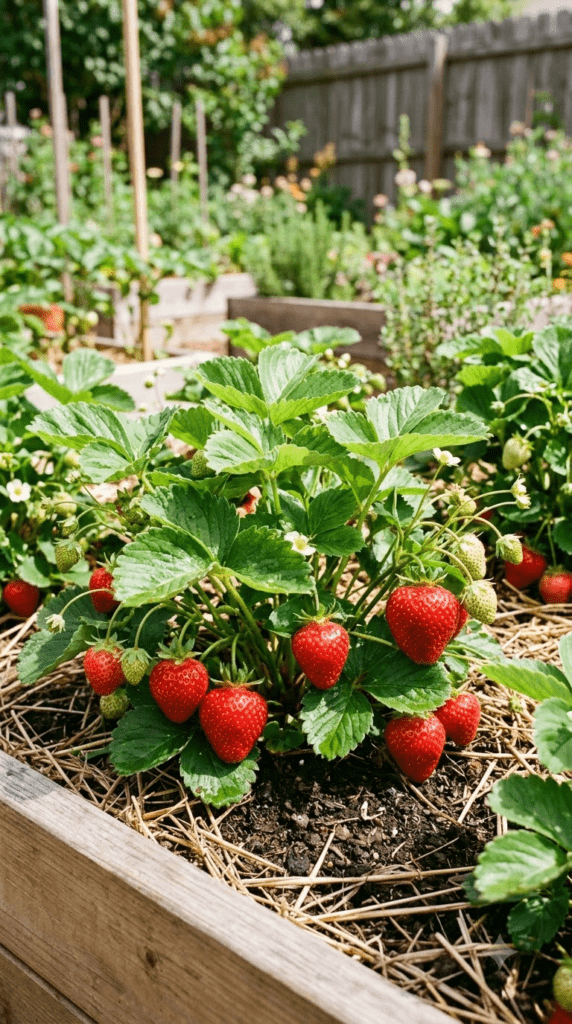
10. Strawberries
Strawberries often grow stronger and produce slightly larger berries with regular Epsom salt feeding, especially during flowering and fruiting. Apply one tablespoon per gallon of water around the base every few weeks, increasing to twice a month during fruit production.
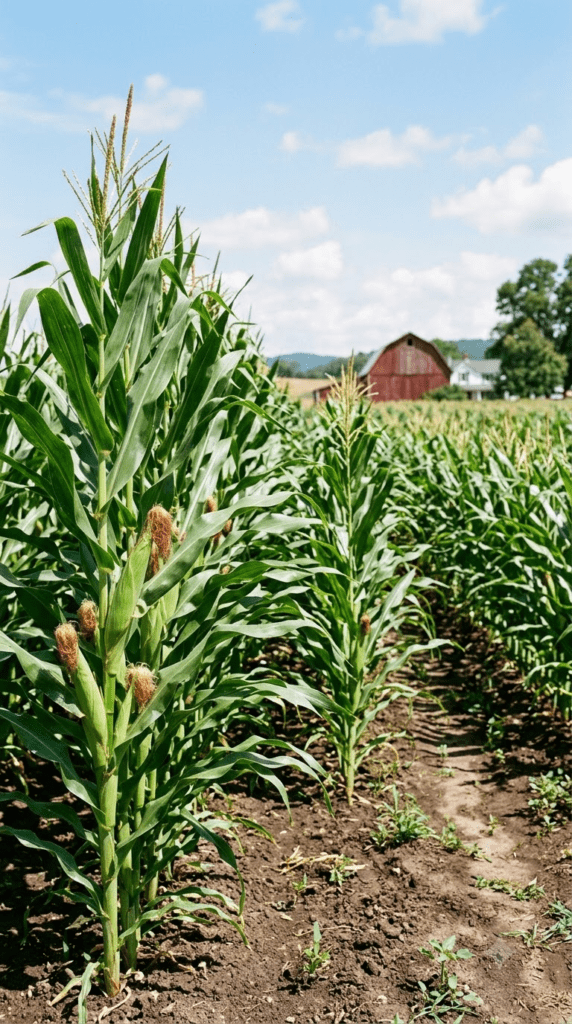
11. Corn
Corn requires plenty of magnesium to produce chlorophyll, and Epsom salt helps keep stalks sturdy and leaves deep green. Mix one tablespoon into the soil per foot before planting, then water with a diluted solution every few weeks as it grows.
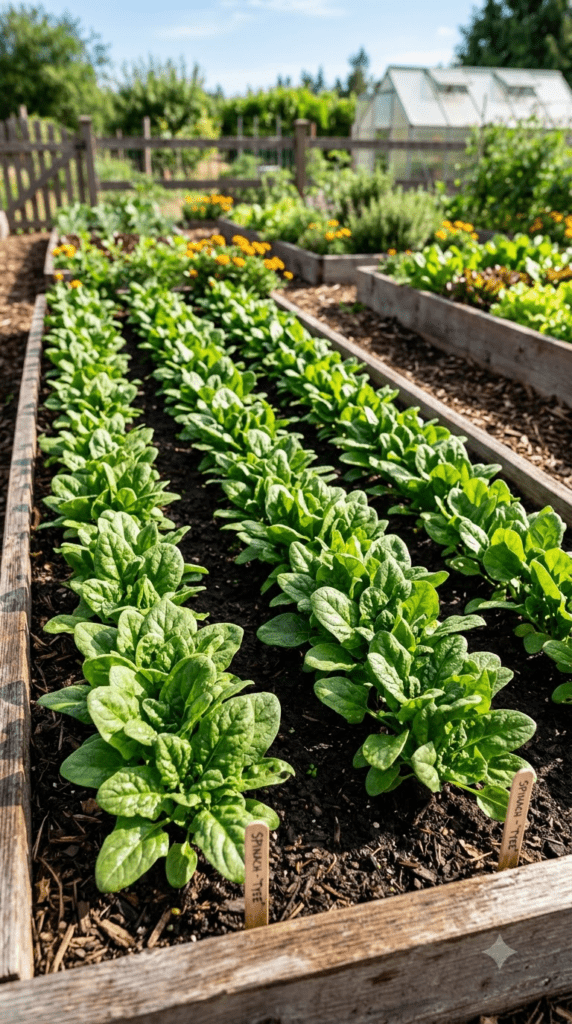
12. Spinach
Spinach leaves can turn pale or yellow without enough magnesium, and Epsom salt helps restore deeper green color and faster growth. Water with one tablespoon per gallon of water every few weeks, or apply as a morning foliar spray.
13. Zinnias
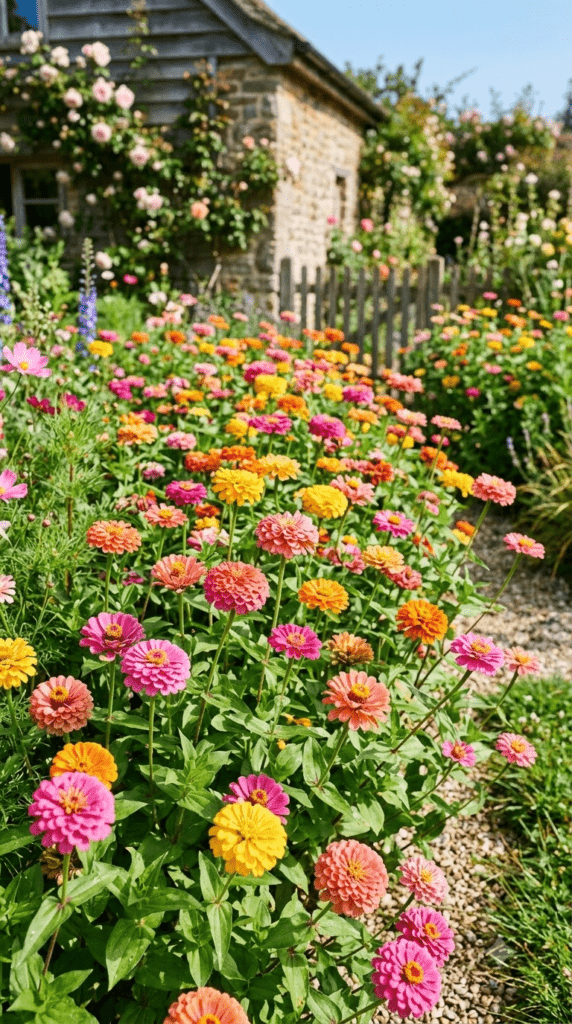
Zinnias reward a little Epsom salt with stronger stems and fuller, more vibrant blooms thanks to improved chlorophyll production. Mix one tablespoon per gallon of water and apply every few weeks in well-draining soil.
14. Marigolds
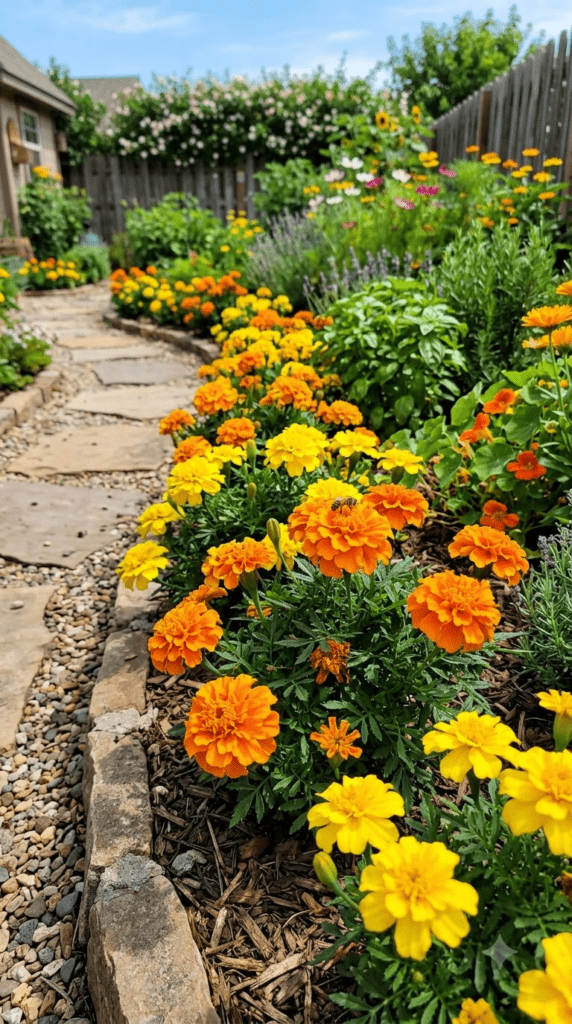
Epsom salt supports fuller growth and richer-colored blooms in marigolds, while the plants themselves continue their natural job of deterring garden pests. Water with one tablespoon per gallon of water every few weeks, applied to soil or leaves.
15. Eggplants
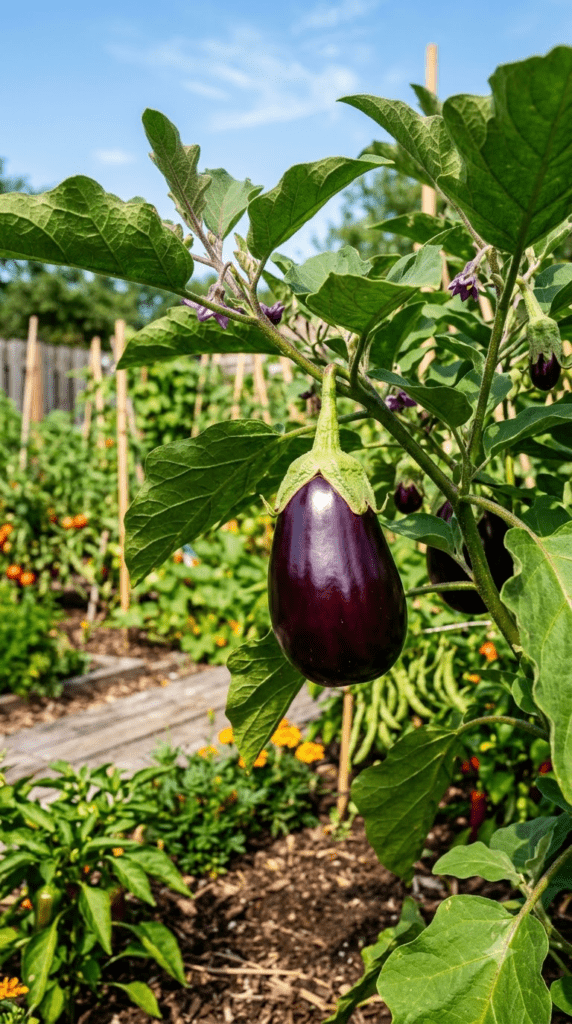
Eggplants can struggle with yellowing leaves and slow growth, and magnesium from Epsom salt often turns things around, improving both foliage and fruit quality. Use a foliar spray of one tablespoon per gallon of water every two to four weeks, starting once the plants begin blooming.
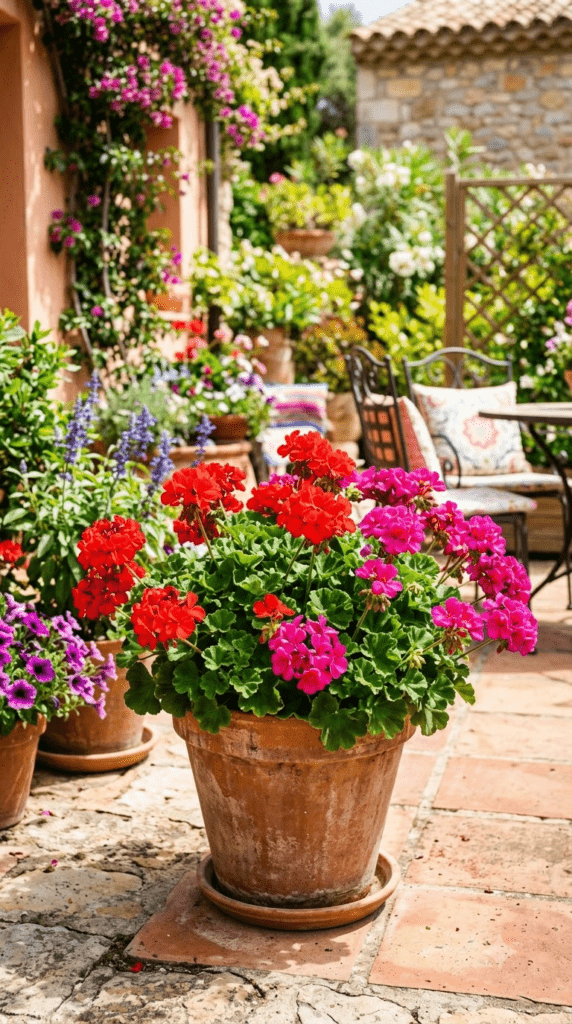
16. Geraniums
Geraniums grow sturdier stems and fuller leaves with regular Epsom salt feeding, especially useful for container plants that lose nutrients faster through watering. Apply a mix of one tablespoon per gallon of water every four to six weeks, or use a diluted foliar spray monthly.
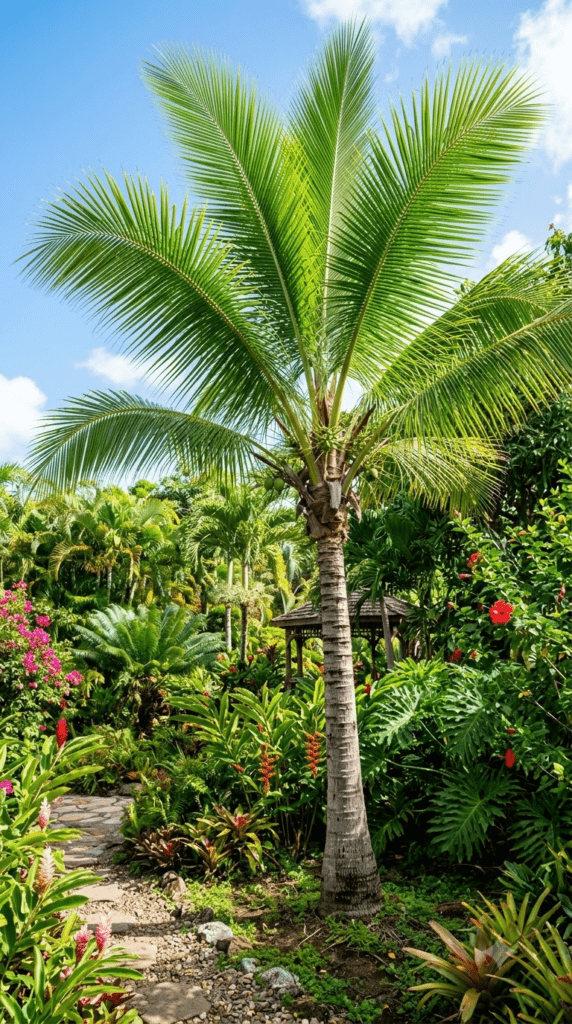
17. Palm Trees
Palm trees, including popular indoor varieties like parlor palms, often show yellowing fronds when magnesium is low, and Epsom salt is a simple, effective fix. Mix one tablespoon per gallon of water and pour around the base monthly during the growing season.
Why Epsom Salt Works
Epsom salt is simply magnesium sulfate, and it offers plants a fast-absorbing source of magnesium — a key component in photosynthesis and chlorophyll production. When magnesium runs low, leaves often show the telltale sign of yellowing between the veins while the veins themselves stay green. Sulfur, the other component, supports protein formation and helps plants take up other nutrients like calcium and nitrogen more efficiently.
Signs Your Plants Might Need Epsom Salt
- Yellowing leaves, especially between the veins, despite adequate watering
- Slow or weak overall growth
- Reduced blooming or poor fruit development
- Dull, pale foliage color
If you notice these signs, a light Epsom salt application is worth trying — most plants show visible improvement within one to two weeks.
How to Use Epsom Salt Safely
Standard dosage: One to two tablespoons per gallon of water works for most plants; cut this in half for seedlings and young plants.
Application methods: Use as a soil soak poured around the base, or dilute further for a foliar spray applied early in the day so leaves can dry before evening.
Frequency: Once a month is typical for most plants; fast-growing vegetables like tomatoes may benefit from feeding every two to four weeks during active growth.
Timing: Apply during active growing seasons — spring and summer — and especially once plants begin flowering or setting fruit, when magnesium demand is highest.
What to avoid: Never apply Epsom salt to dry soil or newly germinated seeds, and always water first to prevent root stress. Overuse can cause salt buildup in the soil and interfere with the uptake of other nutrients, so moderation is key.
Final Thoughts
Epsom salt isn’t a cure-all, but for magnesium-loving plants like tomatoes, roses, hydrangeas, and palms, it’s a simple, budget-friendly way to encourage greener leaves, sturdier growth, and better blooms or fruit. Used in moderation and at the right time in the growing season, this humble household staple can make a noticeable difference in your garden’s overall health.