
A kitchen window filled with greenery does more than look nice — it freshens the air, adds fragrance, and can even put fresh herbs within arm’s reach while you cook. Whether you want something nearly indestructible or a fragrant herb you can snip into dinner, there’s a plant suited to every kitchen window, no matter how much sun it gets.
Here are 15 of the best plants for a kitchen window, along with quick care notes and an image for each.
16 Futuristic Bathroom Designs with Glowing LED Accents & Sleek Floating Vanities
24 Gorgeous Container Garden Designs You’ll Want to Copy
Rattlesnake Plant Care 101: 11 Secrets to Keep Those Wild Leaf Patterns Thriving
8 Stunning Money Plant Ideas to Transform Your Home Decor in 2026
Fiddle Leaf Fig Dropping Leaves? Here’s Why
Poolside Paradise: 17 Low-Fuss Plants That Turn Your Backyard Into a Resort
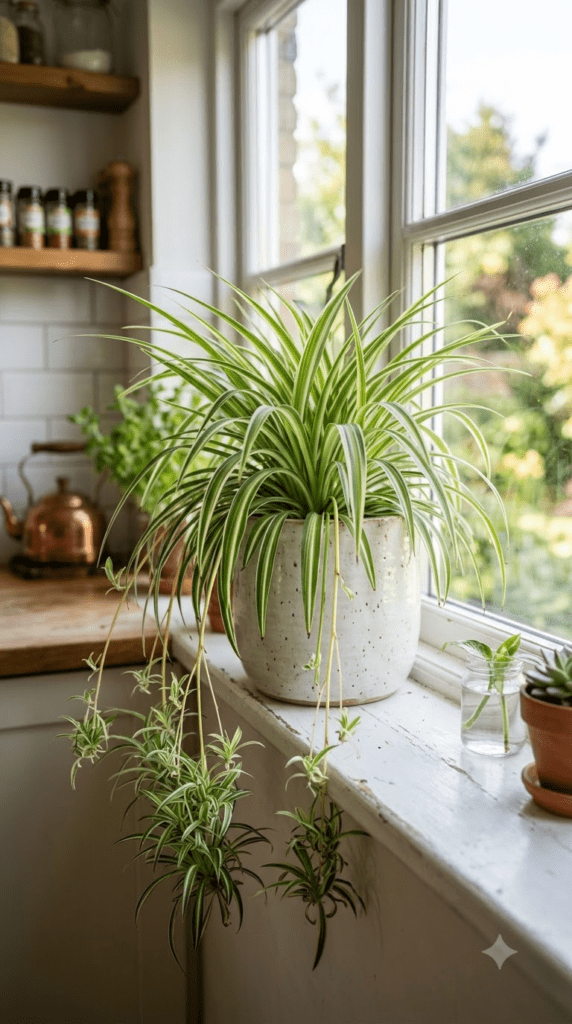
1. Spider Plant
Spider Plants thrive in bright, indirect light and only need water when the soil dries out, making them one of the easiest windowsill plants around. Their arching green-and-white leaves eventually send out little plantlets you can propagate in water for new plants to share.
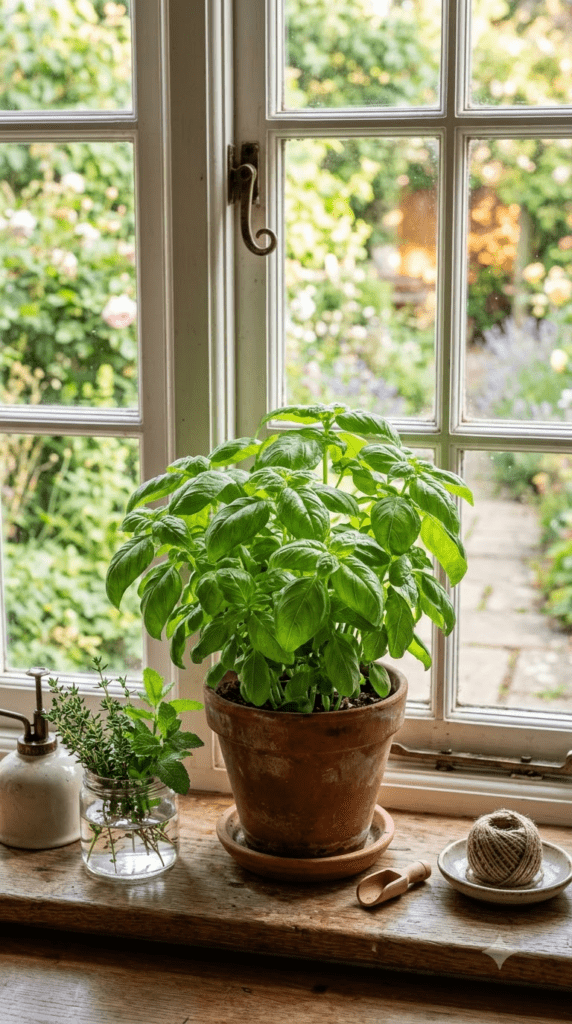
2. Basil
Basil needs at least six hours of sunlight a day and lightly moist soil, rewarding a sunny kitchen window with fragrant, flavorful leaves for cooking. Pinching off any flowers that appear keeps the plant focused on producing more leaves instead of going to seed.
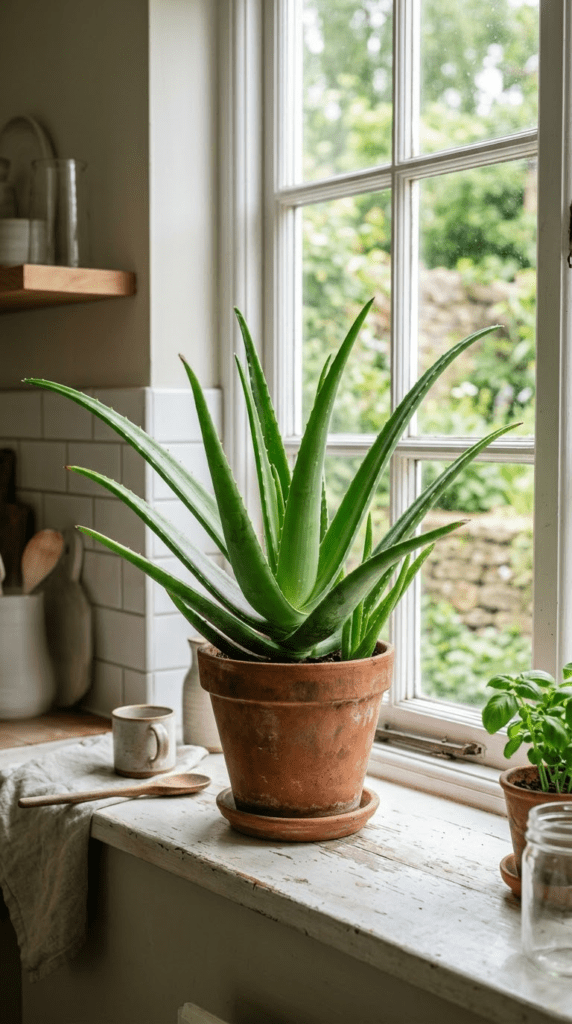
3. Aloe Vera
Aloe Vera thrives in bright, indirect light and needs watering only every couple of weeks once the soil dries out completely, making it a low-effort kitchen companion. Its gel is a handy, soothing remedy for minor kitchen burns, right at your fingertips.
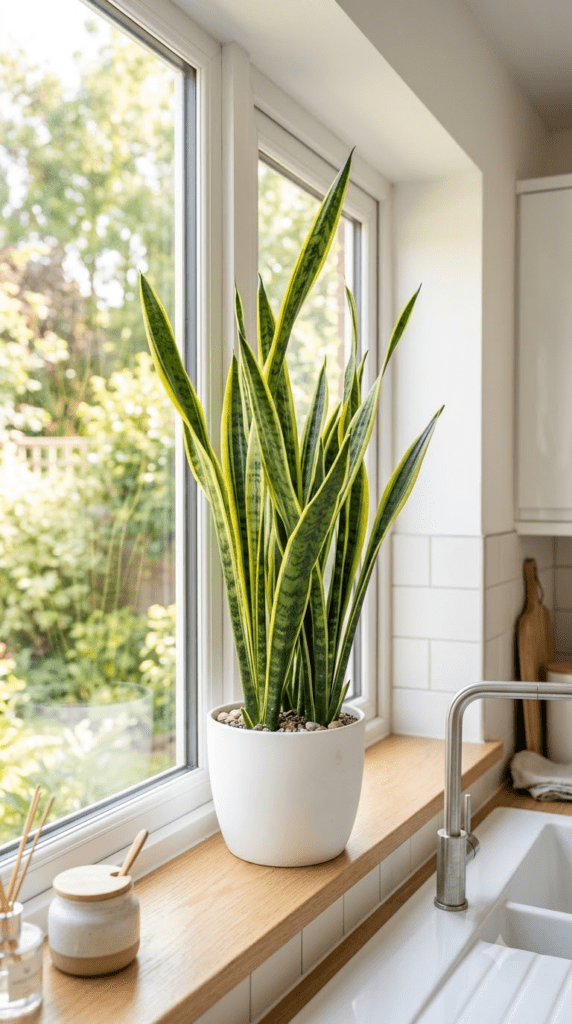
4. Snake Plant
Snake Plant’s tall, upright, striped leaves tolerate low light and irregular watering with ease, making it nearly foolproof for a busy kitchen. Letting the soil dry out completely between waterings keeps this tough plant thriving for years.
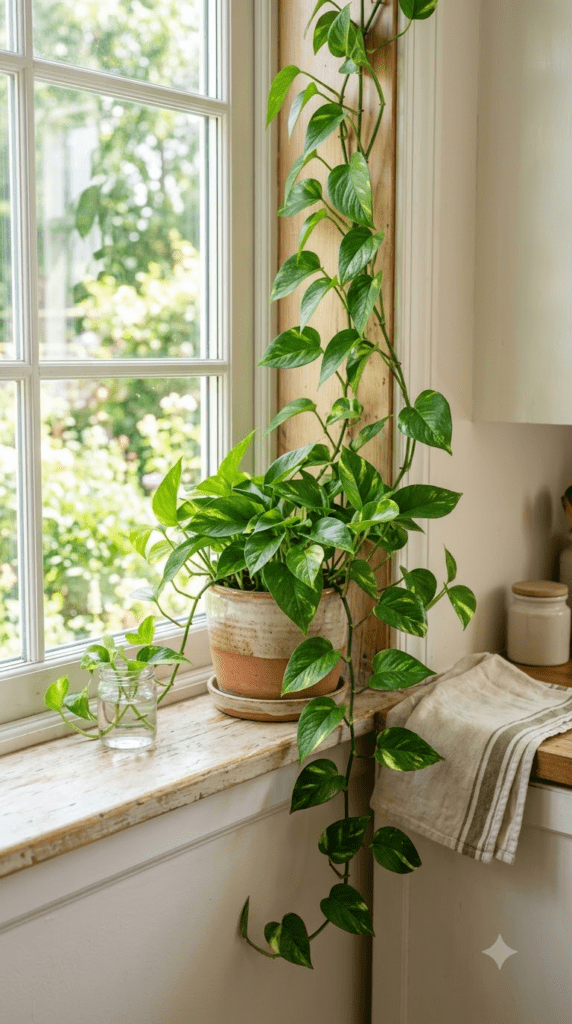
5. Pothos
Pothos grows quickly and tolerates a range of light conditions, its glossy heart-shaped leaves staying cheerful even on cloudier days. It’s easy to propagate from a simple stem cutting rooted in a jar of water right on the sill.
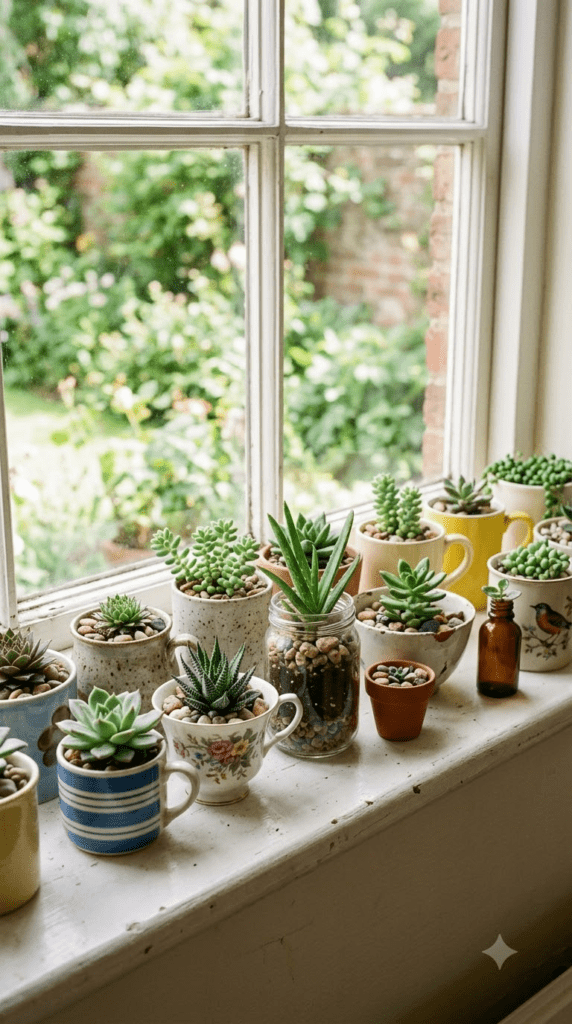
6. Succulents
Compact succulents like Echeveria and Haworthia store water in their leaves, meaning they only need watering every week or two and thrive with just a few hours of direct sun. Their varied shapes and colors make them a stylish, low-fuss way to fill out a kitchen windowsill.
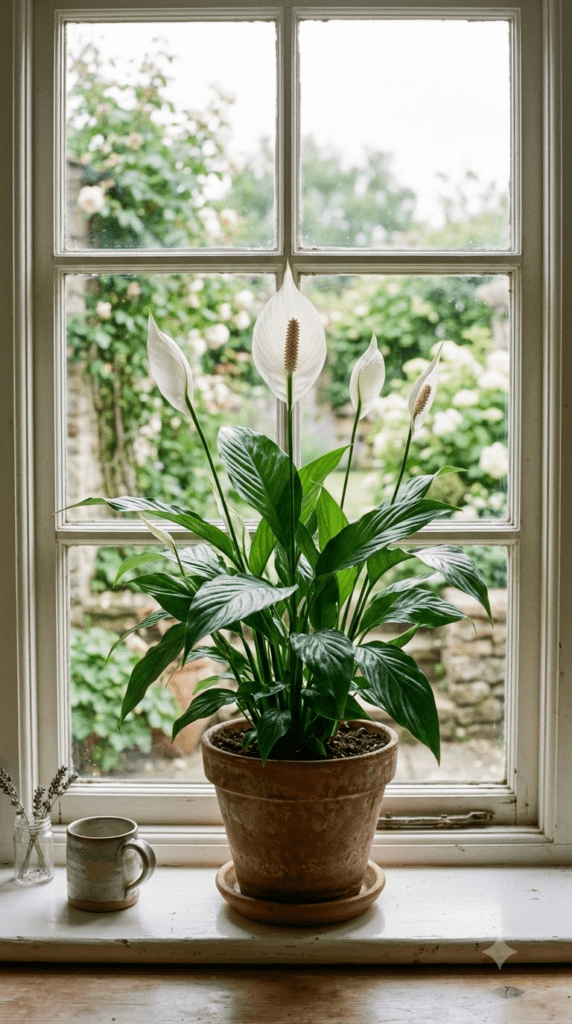
7. Peace Lily
Peace Lily’s glossy leaves and elegant white blooms thrive near a window with bright, indirect light, and the plant dramatically droops as a clear signal it needs watering. Wiping the leaves occasionally keeps them shining and helps the plant purify the kitchen air.
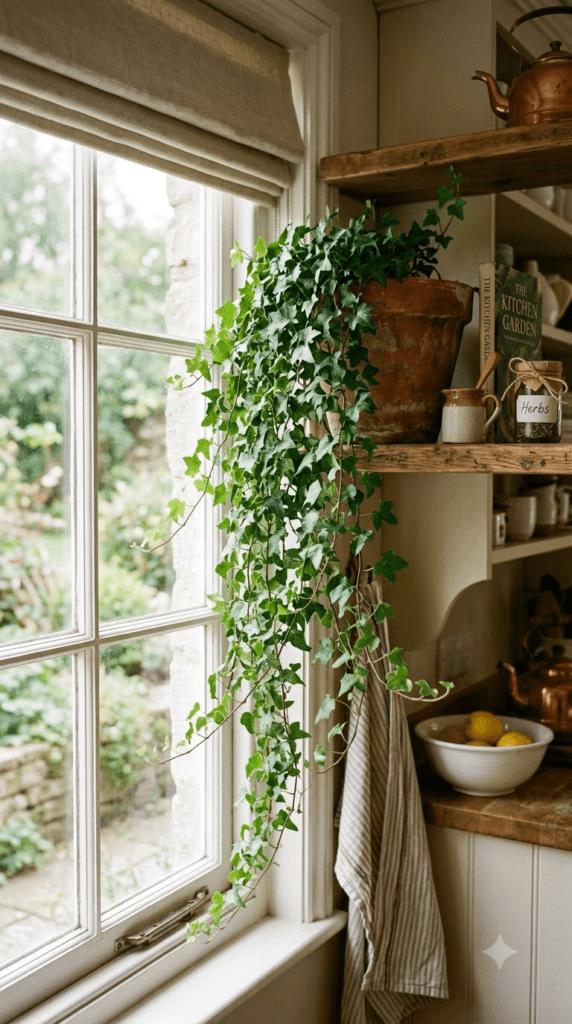
8. English Ivy
English Ivy’s trailing vines look lovely cascading from a pot or small shelf near the window, thriving in indirect light with consistently moist soil. Regular trimming keeps the vines tidy, and cuttings root easily in water for new plants.
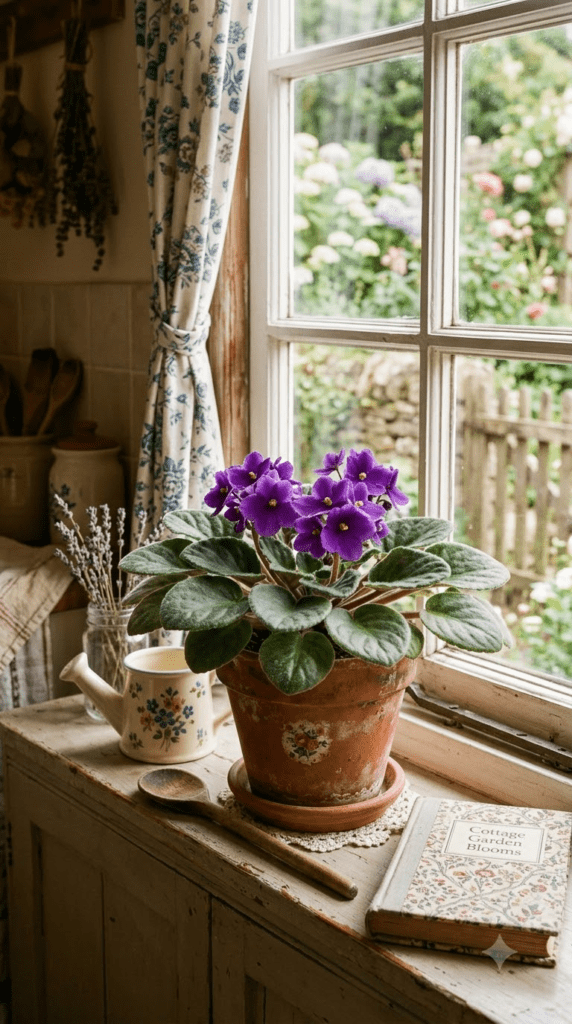
9. African Violet
African Violet’s soft, fuzzy leaves and cheerful blooms fit neatly on a narrow windowsill, thriving in bright, indirect light softened by a sheer curtain. Watering from the bottom by letting the pot sit in a shallow dish keeps the delicate leaves dry and rot-free.
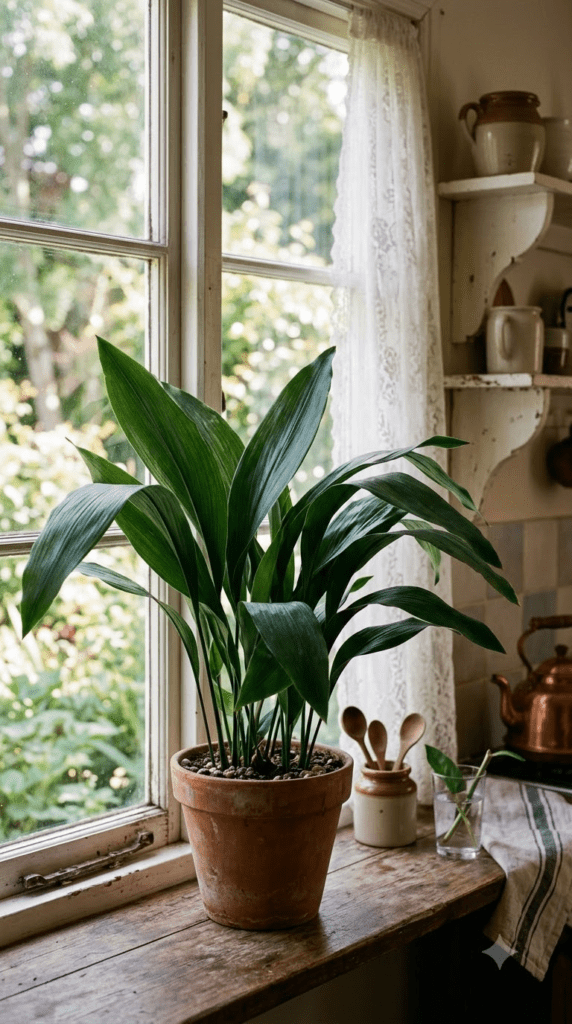
10. Cast Iron Plant
Cast Iron Plant earns its name by tolerating low light, irregular watering, and temperature swings without complaint, making it ideal for a busy or steamy kitchen. Its long, deep green leaves stay attractive year-round with minimal upkeep.
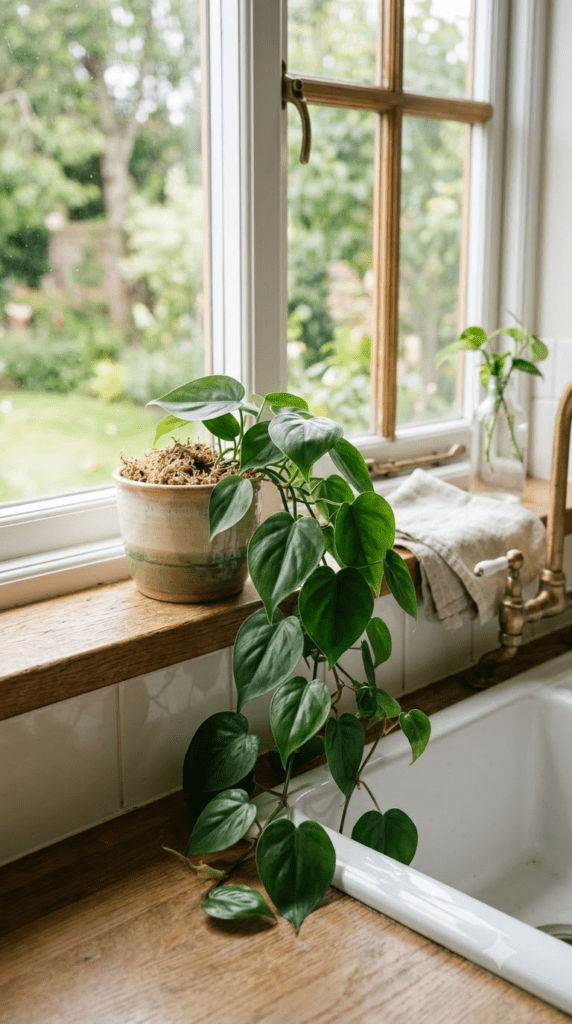
11. Philodendron
Philodendron’s glossy, heart-shaped leaves stay fresh-looking in bright, indirect light and forgive the occasional missed watering. Trailing varieties look especially charming near a sink or windowsill, adding movement and greenery to the space.
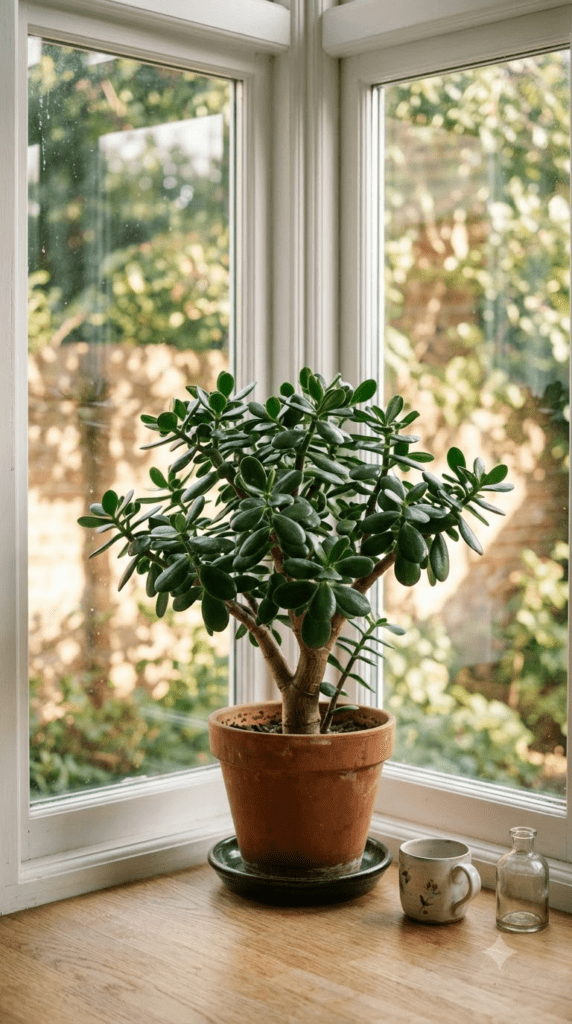
12. Jade Plant
Jade Plant’s thick, glossy leaves store water and only need watering once the soil dries out, making it a slow-growing, low-maintenance choice for a sunny sill. With enough sunlight, its leaves often develop attractive red edges over time.
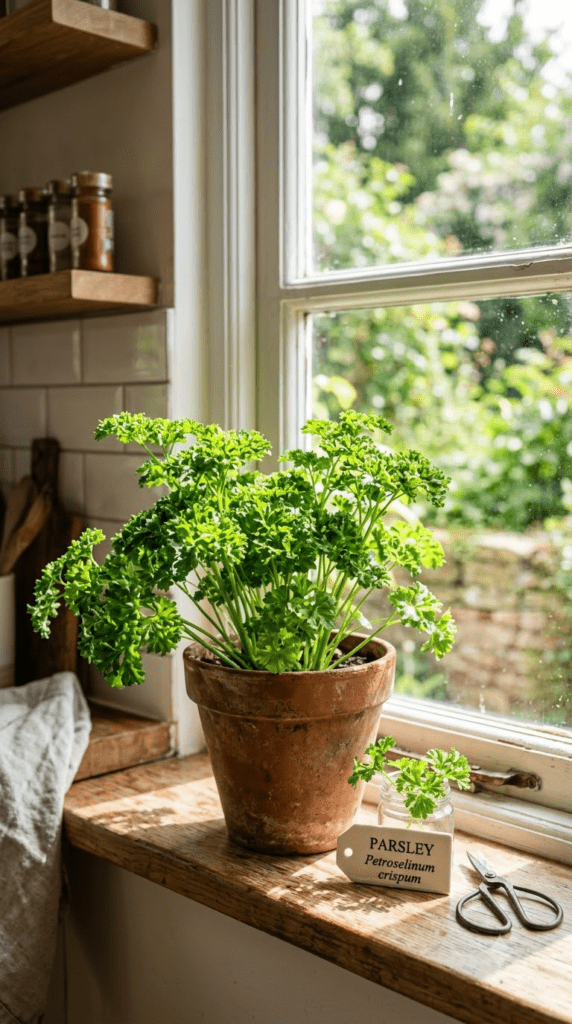
13. Parsley
Parsley thrives with about six hours of sunlight and consistently slightly damp soil, rewarding regular harvesting with fresh, flavorful leaves for cooking. Trimming the outer stems often encourages new growth from the center, keeping the plant productive.
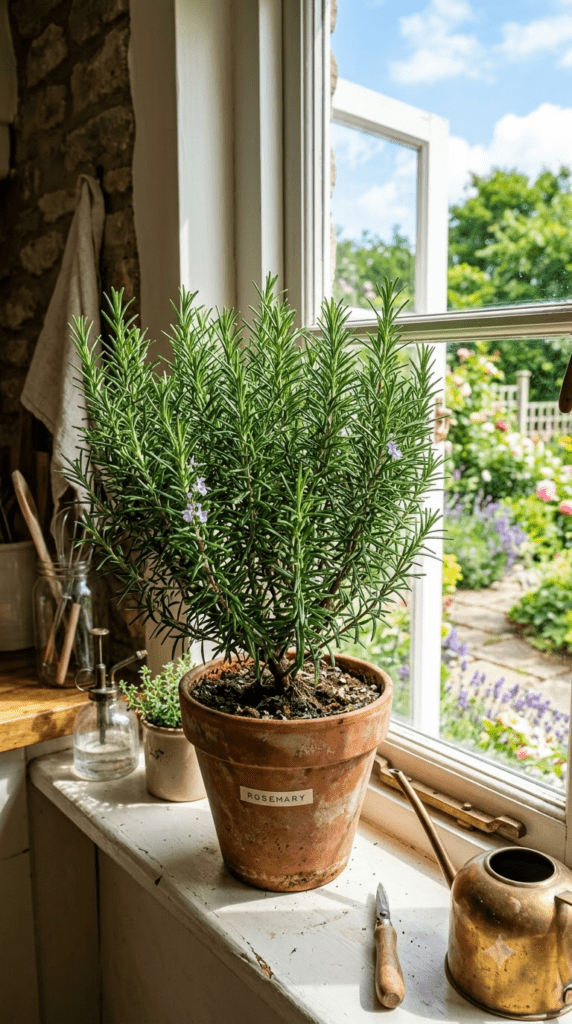
14. Rosemary
Rosemary needs at least six hours of direct sunlight and soil that’s allowed to dry out between waterings, rewarding that care with fragrant, flavorful sprigs perfect for cooking. Regular trimming keeps the plant bushy and encourages soft new growth over woody stems.
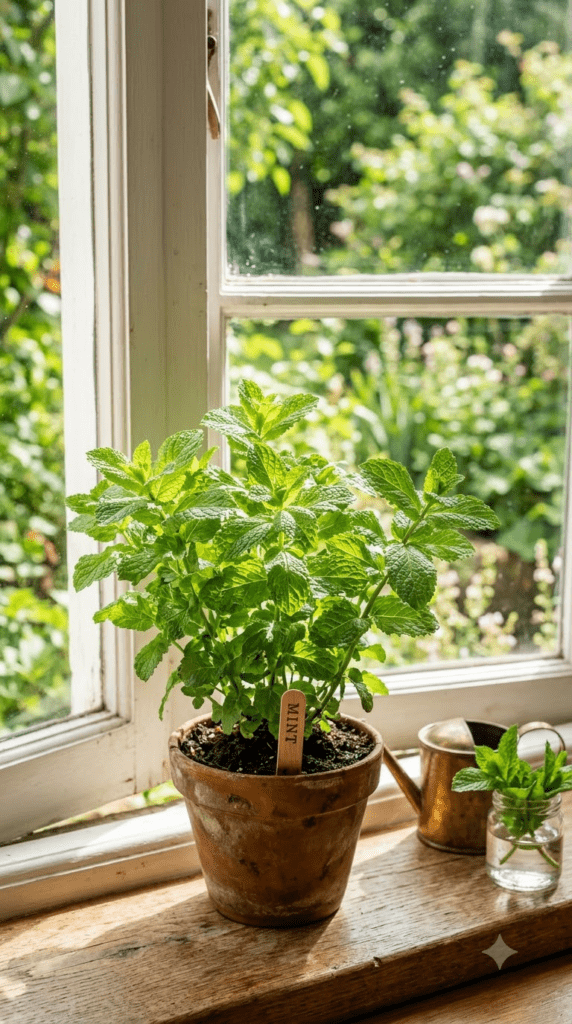
15. Mint
Mint grows quickly in a few hours of morning or late-afternoon sun and slightly moist soil, rewarding regular trimming with fresh leaves for tea, drinks, or cooking. Since it spreads aggressively, keeping it in its own contained pot prevents it from taking over the windowsill.
How to Care for Kitchen Window Plants
Light and water: Most kitchen window plants do best in bright, indirect light near a south- or east-facing window; a sheer curtain helps soften harsh direct sun. Use the finger test — water when the top inch of soil feels dry — and always empty excess water from saucers to avoid root rot.
| Plant Type | Light | Watering Frequency |
|---|---|---|
| Herbs (basil, parsley) | Bright, direct light | Every 2–3 days |
| Succulents | Bright, indirect light | Every 7–10 days |
| Ferns | Low to medium light | Every 3–4 days |
Potting and soil: Choose pots with drainage holes to prevent water from sitting and causing root rot. Use a well-draining potting mix for herbs and leafy plants, and add sand or perlite for succulents to improve drainage.
Fertilizing: Feed most plants a diluted, balanced liquid fertilizer about once a month during the growing season, using an organic option for edible herbs. Ease off fertilizing in colder months when growth naturally slows.
Styling Your Kitchen Window Garden
Arranging for visual appeal: Place taller plants like snake plants or pothos toward the ends of the window frame, with shorter herbs like basil or mint in the center where they’ll get even light. Grouping plants in odd numbers — threes or fives — tends to create a more balanced, intentional look.
Choosing containers: Simple white or pale gray pots let the greenery stand out, while terracotta adds warmth. Mixing materials like ceramic, glass, and woven baskets adds visual interest without looking cluttered, and using trays underneath catches drips and keeps the windowsill tidy.
Final Thoughts
A kitchen window doesn’t need much to come alive — just a thoughtful mix of easy-care greenery and a few fragrant herbs within reach. Whether you lean toward nearly indestructible options like snake plants and pothos or fill your sill with fresh basil, rosemary, and mint for cooking, the right plants can turn a simple windowsill into one of the most inviting spots in your home.