
When temperatures climb, houseplants can do more than just decorate a room — many of them actively help regulate indoor temperature and humidity through a natural process called transpiration, where plants release water vapor through their leaves. This process cools the surrounding air, similar to how sweat cools our skin. Combine that with the shade, oxygen boost, and improved air quality plants provide, and a well-placed collection of greenery can genuinely make your home feel fresher during hot months.
Here are 11 houseplants known for their natural cooling effect, along with a detailed description of each and an image prompt to help you visualize (or generate) how they might look in your space.
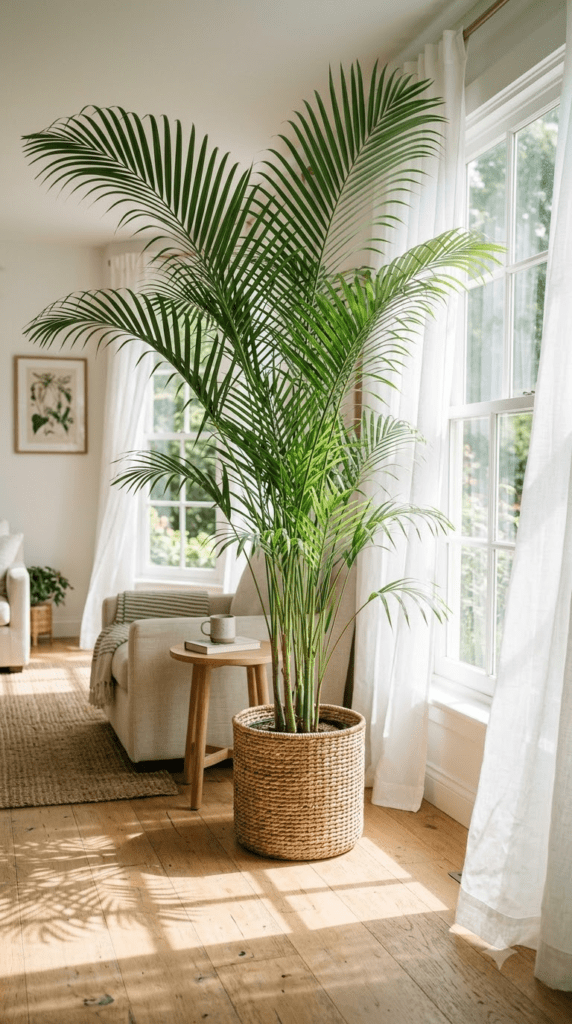
1. Areca Palm
The Areca Palm is one of the most effective plants for boosting indoor humidity and releasing moisture into the air through its broad, feathery fronds. Its large leaf surface area means more transpiration, which translates to a noticeably cooler and fresher feel in the room. It also thrives in bright, indirect light, making it a great fit for sunny living rooms.
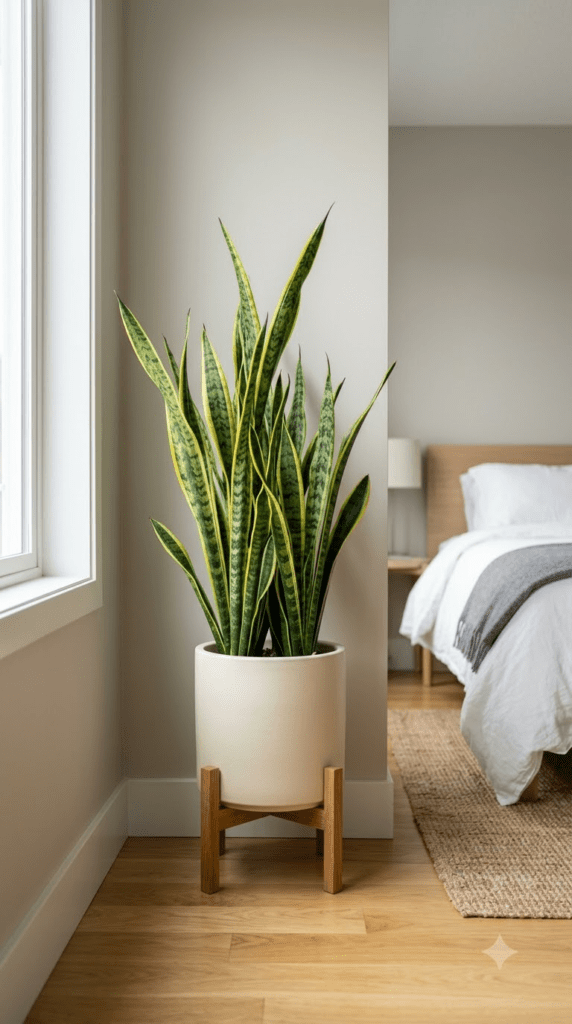
2. Snake Plant (Sansevieria)
16 Futuristic Bathroom Designs with Glowing LED Accents & Sleek Floating Vanities
24 Gorgeous Container Garden Designs You’ll Want to Copy
Rattlesnake Plant Care 101: 11 Secrets to Keep Those Wild Leaf Patterns Thriving
Snake Plants are famous for releasing oxygen even at night, unlike most plants, and their tall, sword-like leaves help regulate humidity by absorbing excess moisture from the air. They’re also incredibly low-maintenance, making them ideal for keeping a cooling presence in bedrooms without much upkeep.
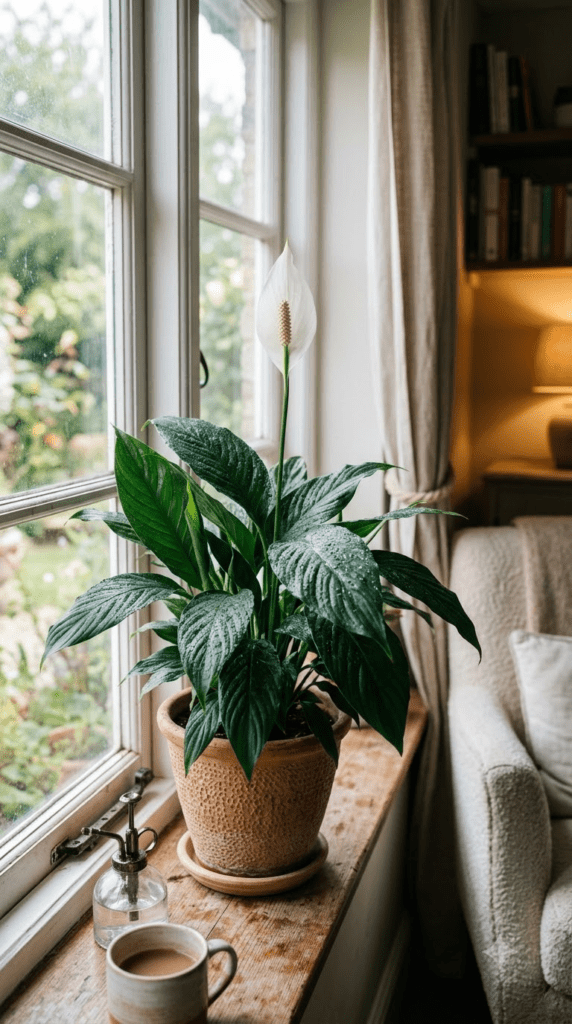
3. Peace Lily
Peace Lilies release a significant amount of moisture into the air through their broad, glossy leaves, helping increase humidity levels which can make a room feel cooler and more comfortable. Their elegant white blooms add a calming visual element while they quietly work to purify the air.
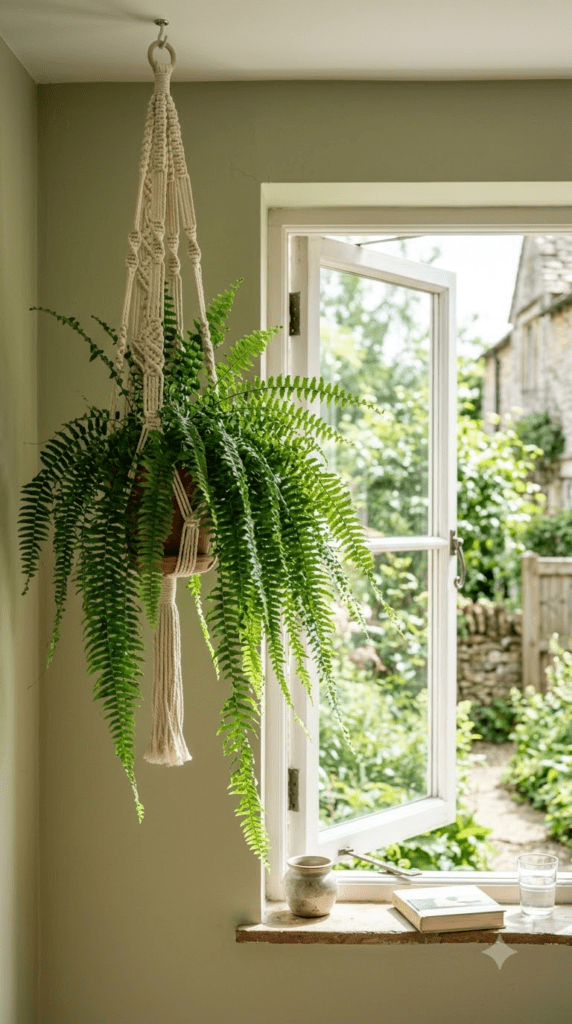
4. Boston Fern
With their dense, feathery fronds, Boston Ferns are excellent natural humidifiers. They release moisture consistently throughout the day, which can help offset the dryness caused by air conditioning while also cooling the surrounding air through transpiration.
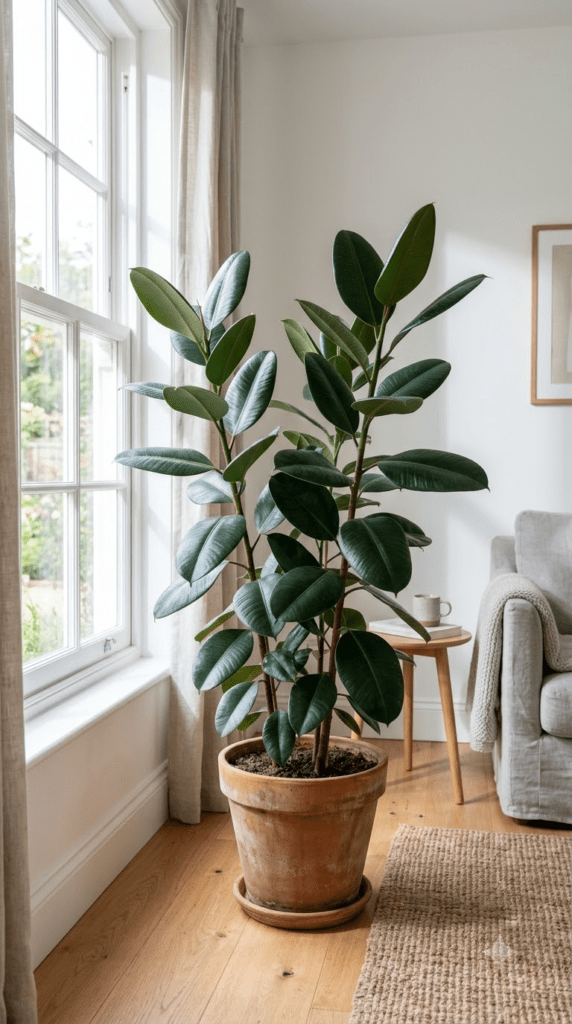
5. Rubber Plant (Ficus elastica)
The Rubber Plant’s large, broad leaves are highly efficient at absorbing heat and releasing moisture, making it a strong contributor to a cooler indoor environment. Its glossy foliage also reflects light, adding brightness to a room without adding heat.
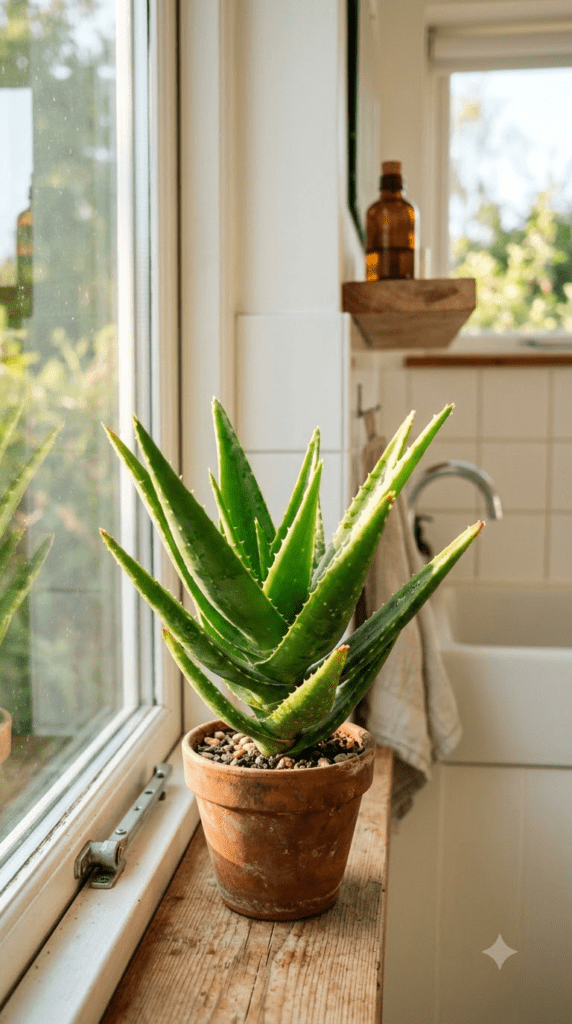
6. Aloe Vera
Aloe Vera is well known for its air-purifying qualities, but it also plays a role in maintaining cooler indoor air by absorbing heat through its thick, water-storing leaves. It thrives on sunny windowsills, where it can also serve as a living reminder of natural, low-maintenance greenery.
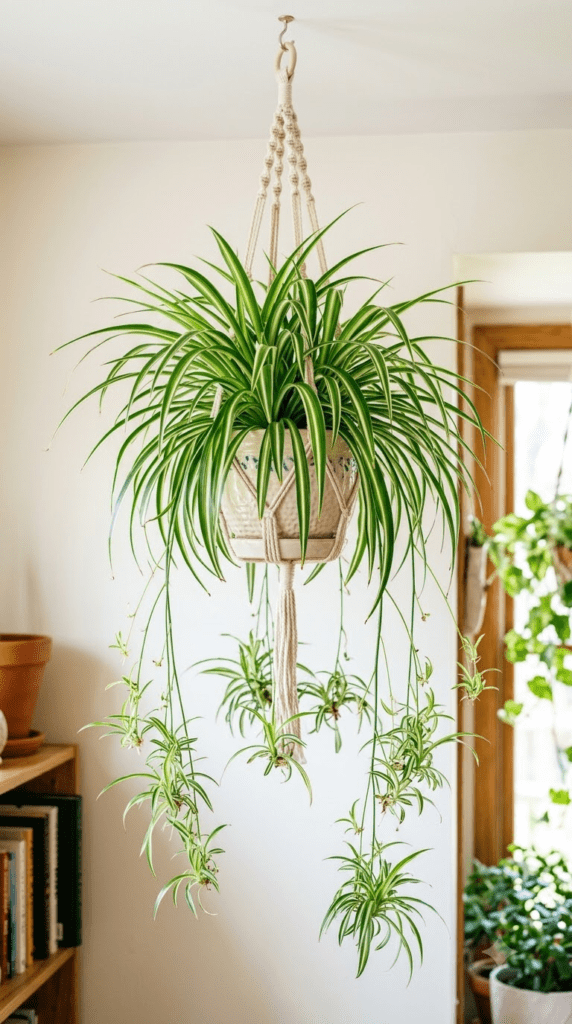
7. Spider Plant
Spider Plants are fast-growing and highly effective at improving air quality while releasing moisture into their environment. Their arching, ribbon-like leaves and easy propagation make them a popular choice for hanging baskets throughout a cool, shaded home.
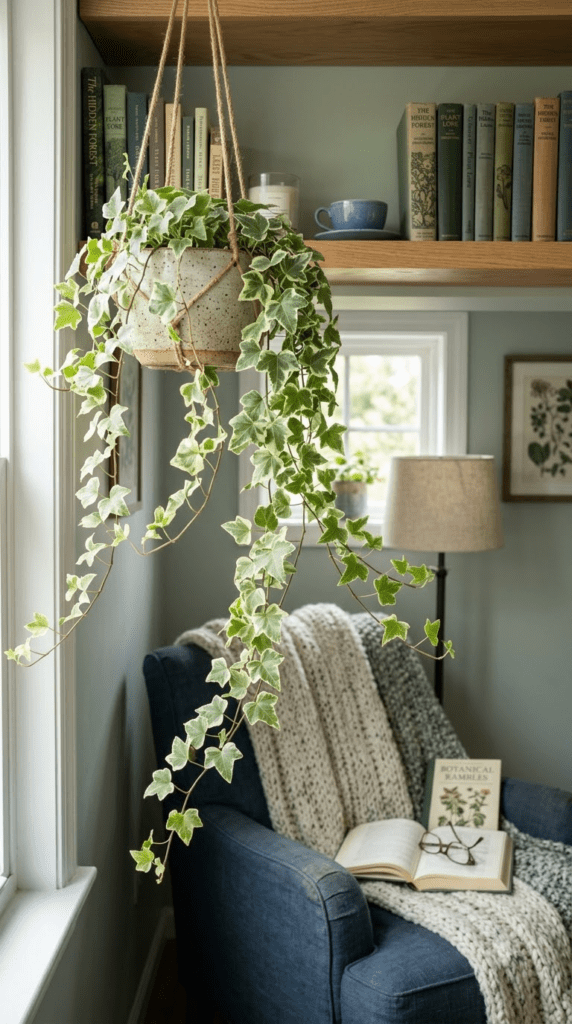
8. English Ivy
English Ivy is effective at filtering airborne particles and also contributes to humidity regulation, helping create a cooler, cleaner indoor atmosphere. Its trailing vines make it a versatile plant for shelves, hanging planters, or climbing trellises.
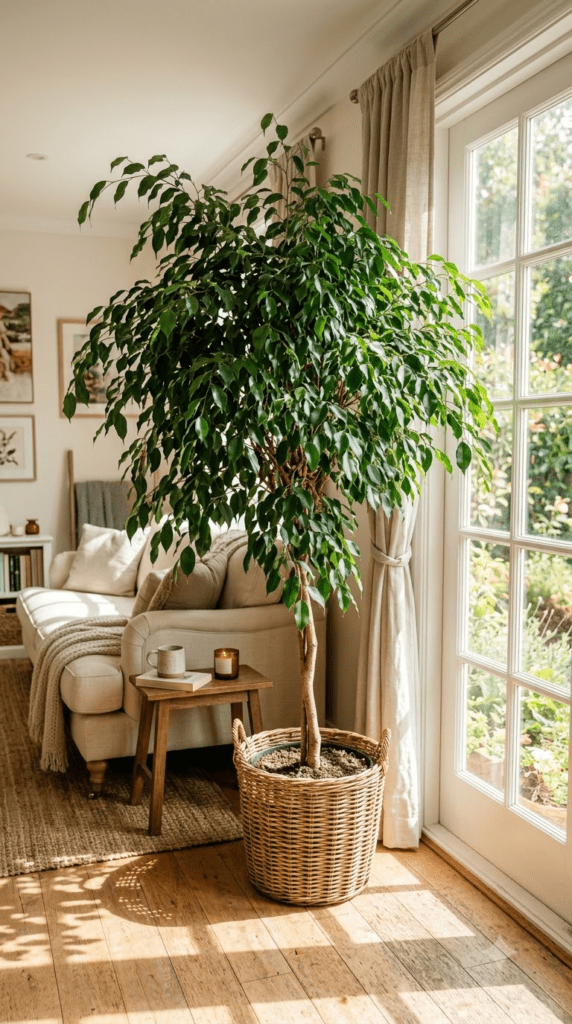
9. Weeping Fig (Ficus benjamina)
The Weeping Fig is a larger statement plant with dense, small leaves that provide substantial transpiration and shade when placed near windows. Its size and leaf density make it particularly effective at cooling larger rooms compared to smaller potted plants.
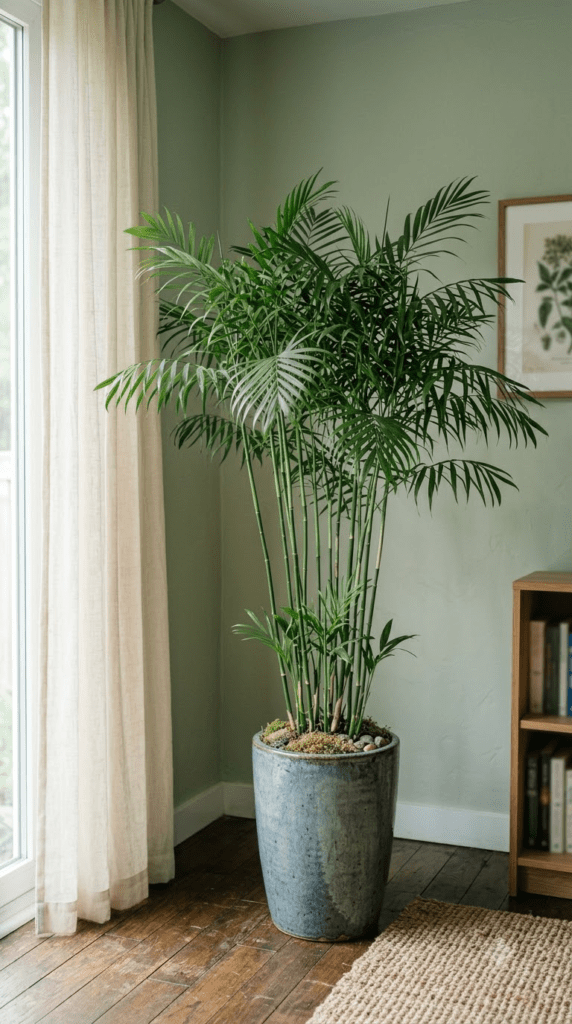
10. Bamboo Palm
Bamboo Palms are excellent natural humidifiers thanks to their multiple thin stalks and abundant foliage, which release moisture steadily throughout the day. They also thrive in lower light conditions, making them a versatile option for cooling shadier corners of the home.
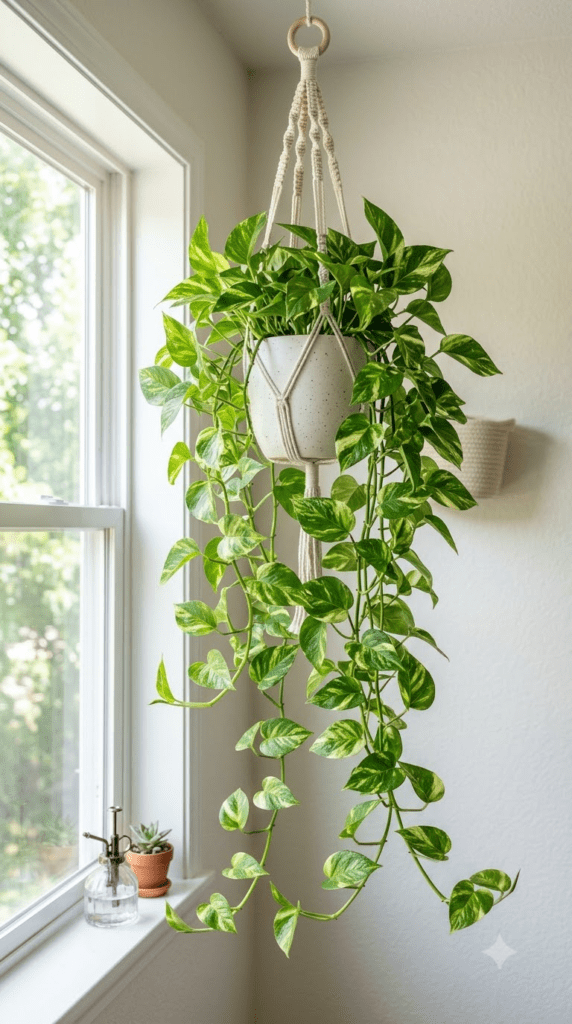
11. Money Plant (Pothos)
Pothos, commonly known as the Money Plant, is a hardy trailing vine that contributes to humidity regulation and air purification. Its heart-shaped leaves and easy-care nature make it a popular choice for hanging baskets or shelves where its vines can cascade freely, adding a cooling, green touch to any room.
Final Thoughts
While houseplants alone won’t replace air conditioning on the hottest days, strategically placing a mix of these 11 plants throughout your home can meaningfully boost humidity, filter the air, and create a noticeably fresher, cooler atmosphere — all while adding natural beauty to your living space. Pair them with good airflow and shade management for the best cooling effect.