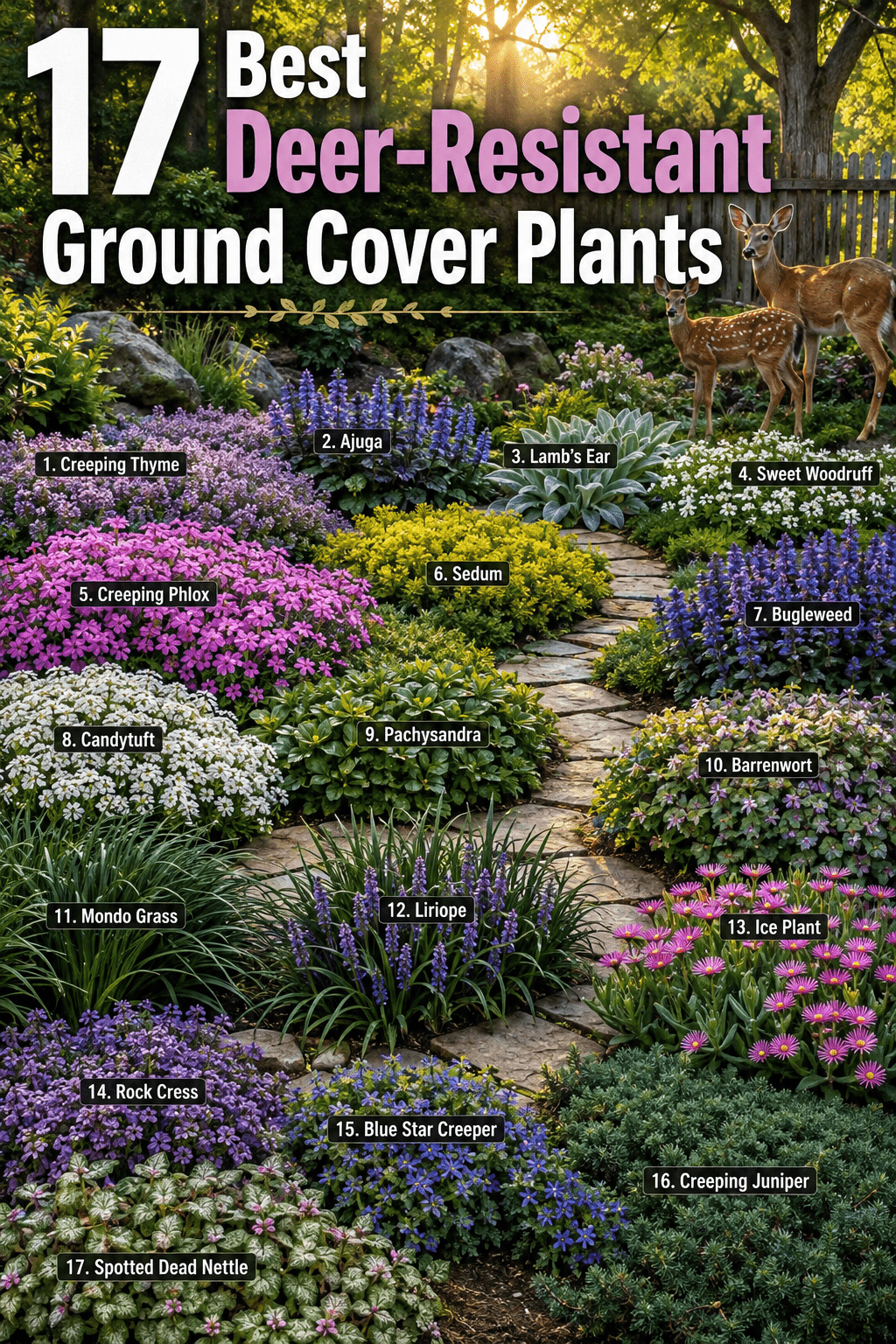
Few things are more frustrating for a gardener than watching deer graze through a freshly planted bed overnight. The good news is that certain ground covers — thanks to fuzzy textures, strong scents, or leaves deer simply find unappealing — tend to get left alone, letting you fill bare patches, slopes, and shady corners with color and texture without constant replanting.
Here are 17 of the best deer-resistant ground covers, along with quick care notes and an image for each so you can picture how they’d look in your own yard.
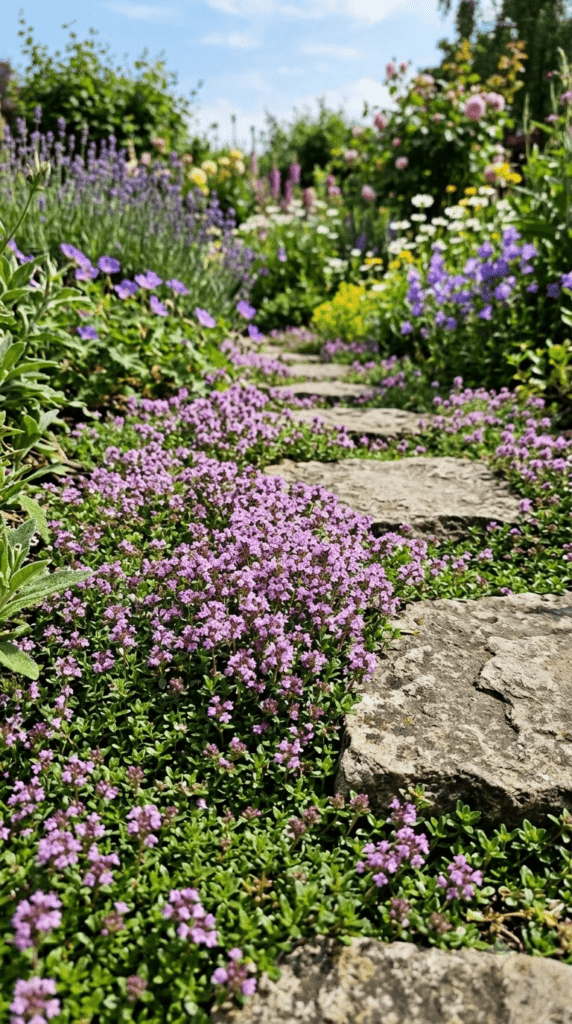
1. Creeping Thyme
This fragrant, low-growing herb forms a dense mat covered in tiny purple or pink flowers in late spring and summer. It thrives in full sun and dry, well-drained soil, tolerates light foot traffic, and its strong scent naturally keeps deer away.
11 Houseplants That Naturally Cool Down Your Home
16 Futuristic Bathroom Designs with Glowing LED Accents & Sleek Floating Vanities
24 Gorgeous Container Garden Designs You’ll Want to Copy
Rattlesnake Plant Care 101: 11 Secrets to Keep Those Wild Leaf Patterns Thriving
8 Stunning Money Plant Ideas to Transform Your Home Decor in 2026
Fiddle Leaf Fig Dropping Leaves? Here’s Why
Poolside Paradise: 17 Low-Fuss Plants That Turn Your Backyard Into a Resort
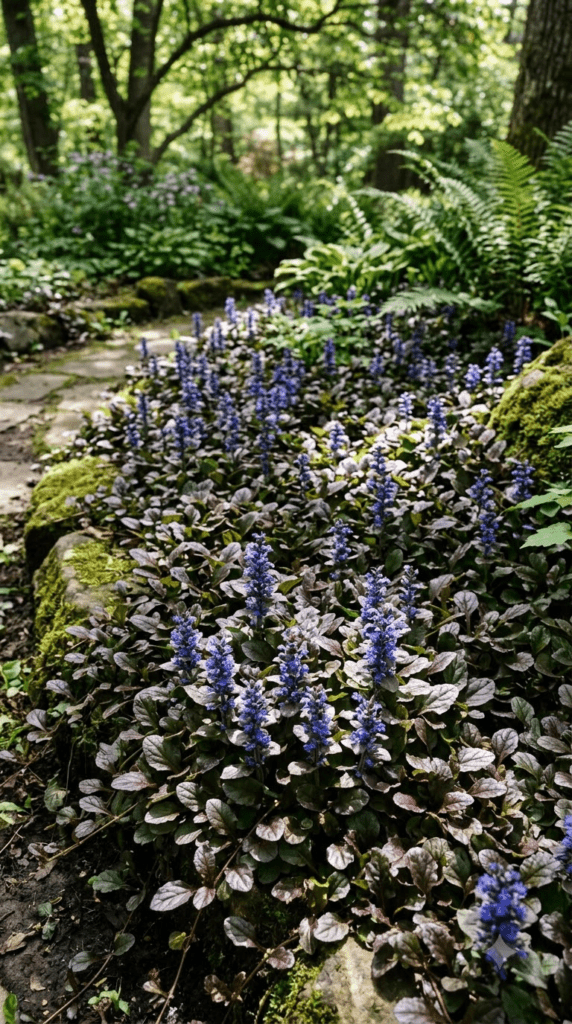
2. Ajuga (Bugleweed)
Ajuga spreads quickly, forming a low, dense carpet of green, bronze, or purple foliage topped with short spikes of blue-violet flowers in spring. It thrives in shade to partial sun and is rarely touched by deer.
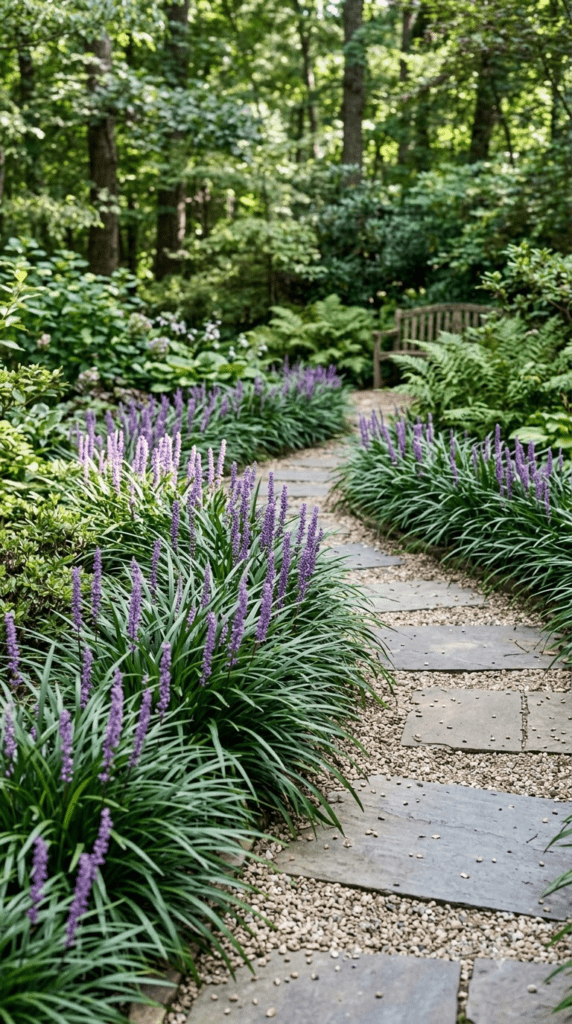
3. Liriope (Lilyturf)
With narrow, grass-like leaves and spikes of purple or white flowers in late summer, Liriope tolerates both sun and shade and forms thick, weed-suppressing mats. Deer almost never bother it.
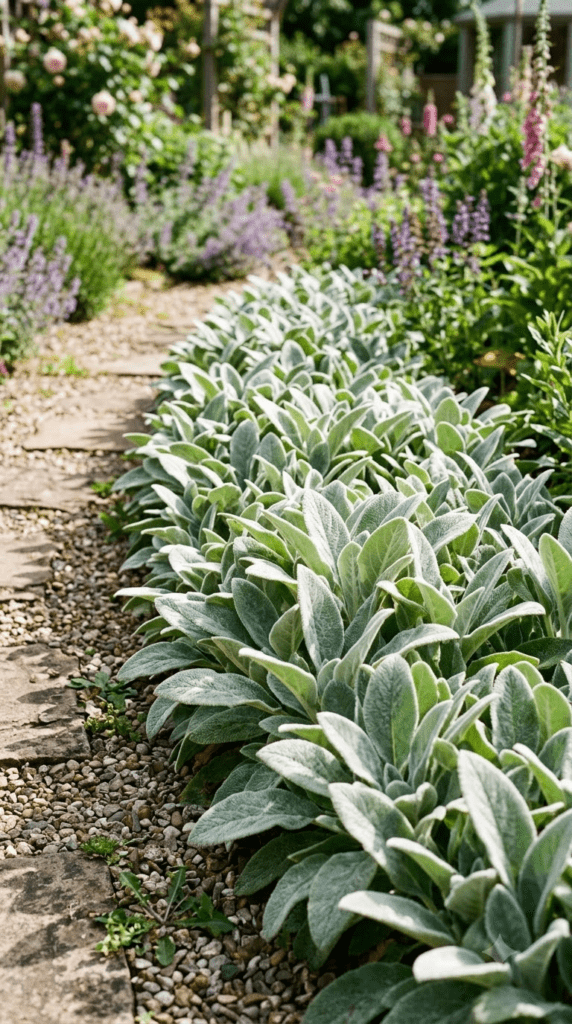
4. Lamb’s Ear (Stachys byzantina)
Lamb’s Ear’s soft, fuzzy, silver-gray leaves form neat, slowly spreading clumps that deer avoid due to their texture and mild scent. It thrives in full sun with well-drained soil and sends up small pink-purple flower spikes in summer.
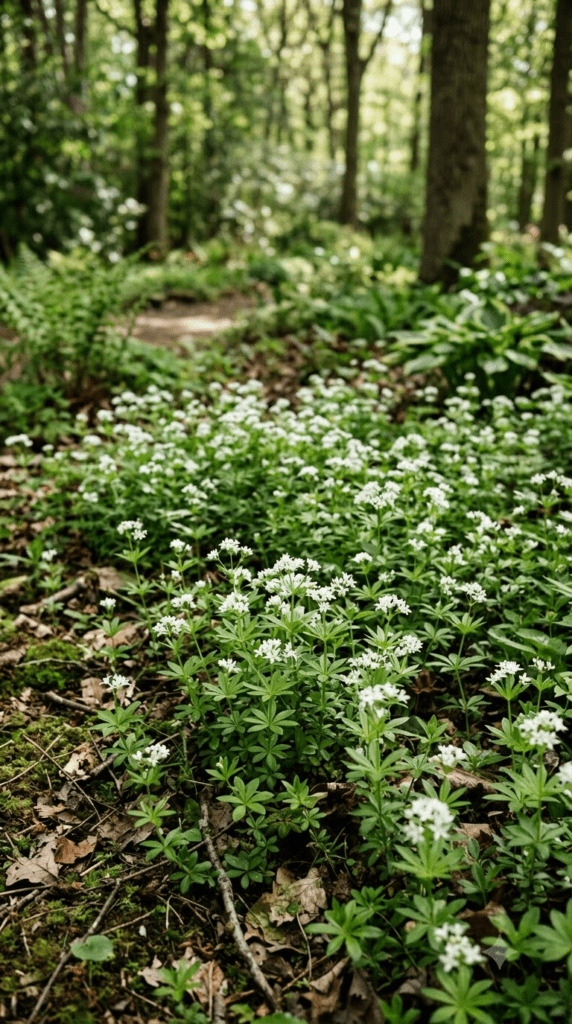
5. Sweet Woodruff
This shade-loving ground cover produces a soft carpet of green foliage topped with tiny star-shaped white flowers in late spring. Its hay-like fragrance and dense growth make it both deer-resistant and excellent for weed suppression.
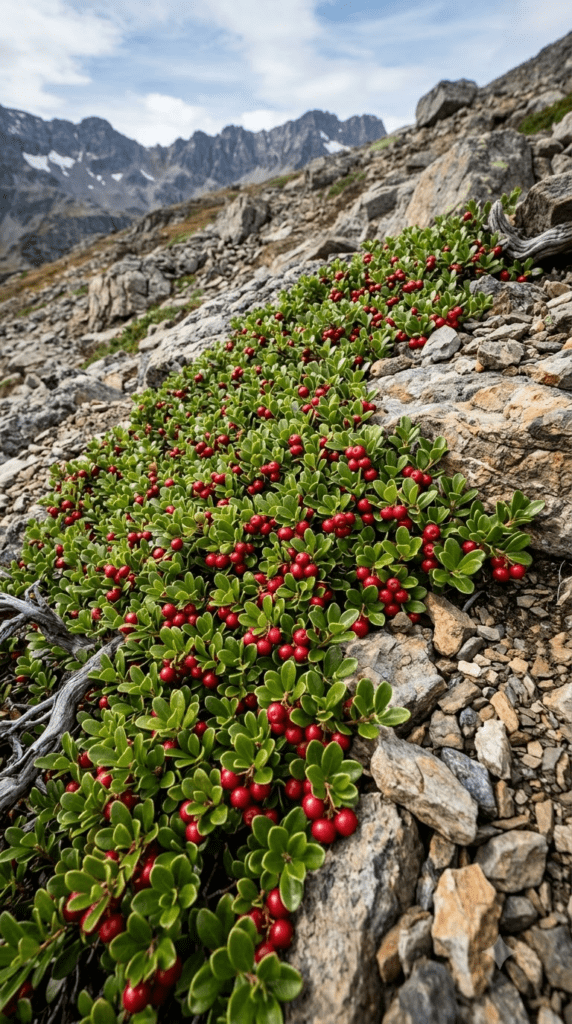
6. Bearberry (Arctostaphylos uva-ursi)
Bearberry forms a dense, evergreen mat of glossy leaves with small pink-white spring flowers that turn into bright red berries. It thrives in poor, well-drained soil, tolerates drought, and its tough leaves rarely tempt deer.
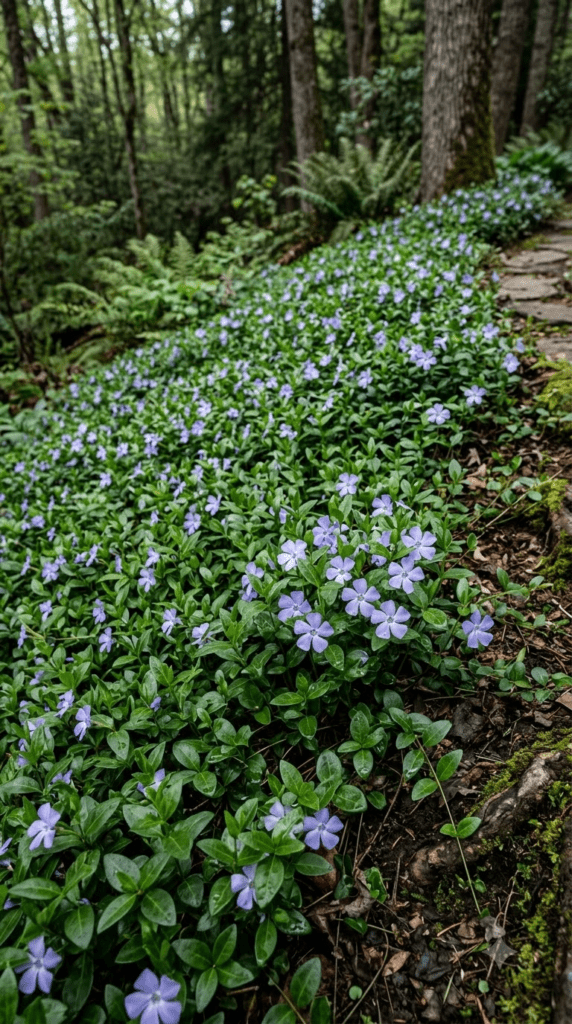
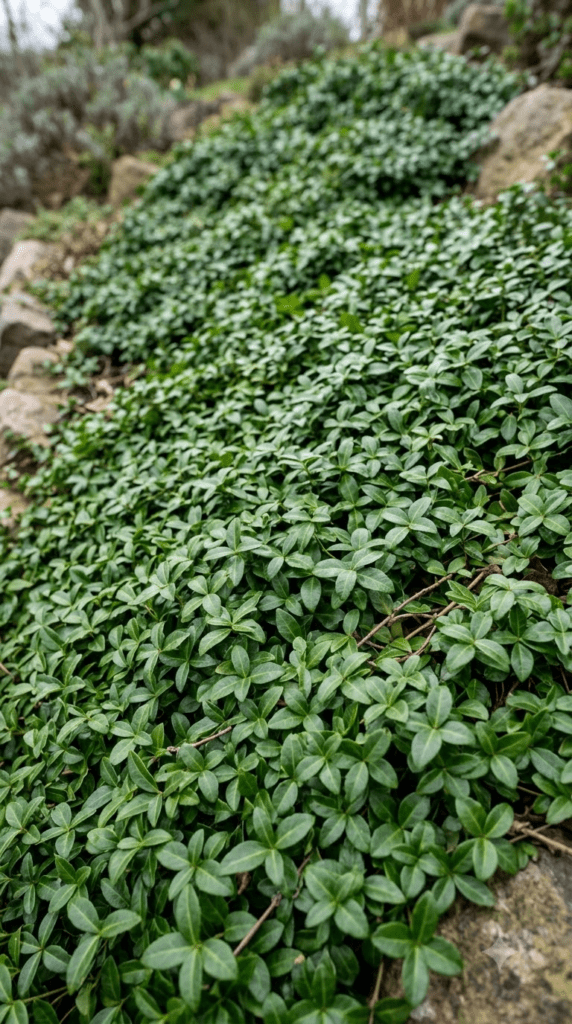
7. Vinca Minor (Periwinkle)
Vinca minor spreads rapidly with shiny evergreen leaves and delicate lavender-blue flowers in spring. It thrives in sun or shade, tolerates dry conditions once established, and deer typically leave it untouched.
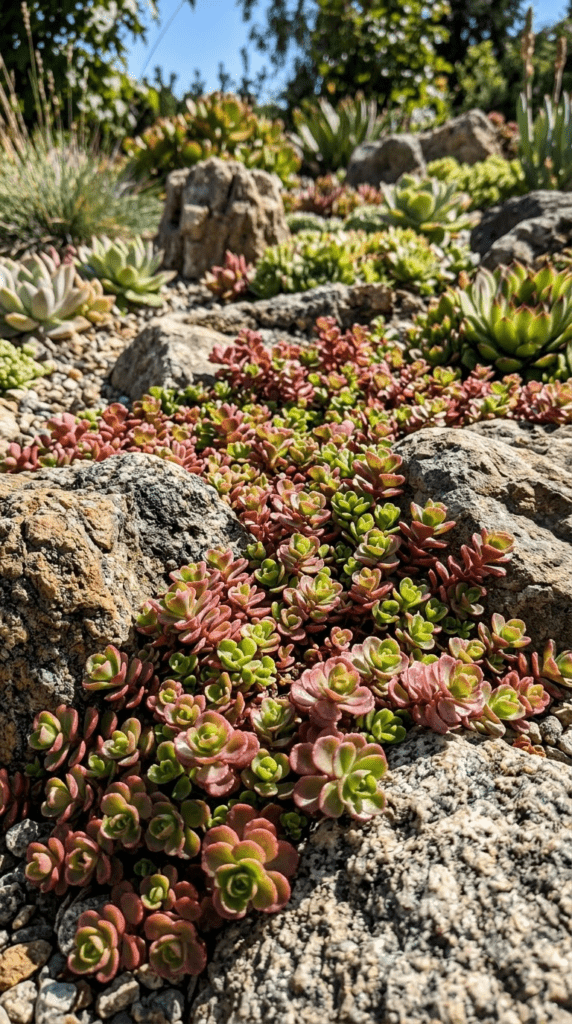
8. Sedum (Stonecrop)
Sedum’s thick, water-storing leaves come in a range of colors and shapes, with tiny star-shaped summer flowers that draw bees and butterflies. It thrives in full sun and well-drained soil, and deer generally avoid it.
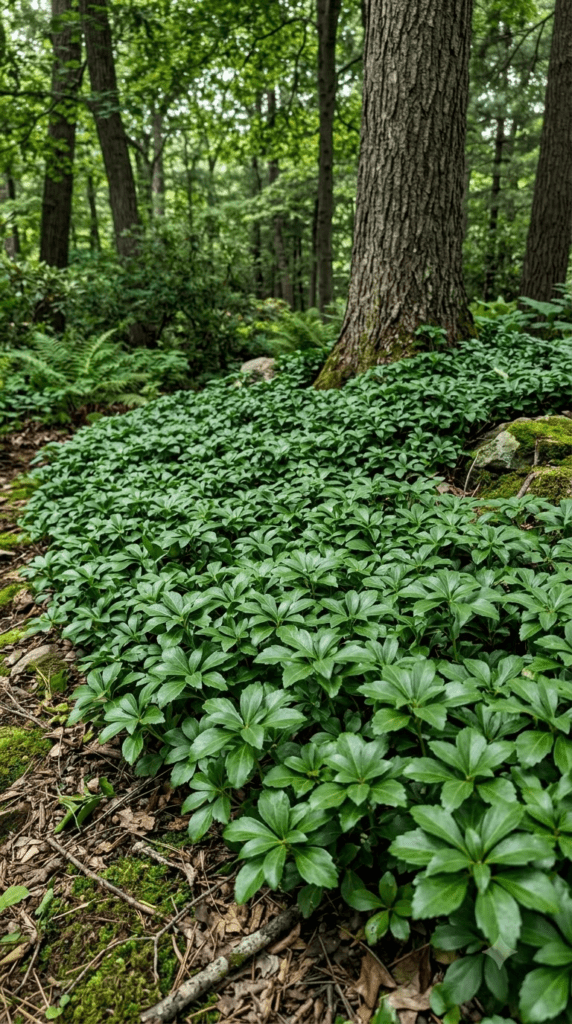
9. Japanese Spurge (Pachysandra terminalis)
This evergreen ground cover forms a dense, glossy green mat that thrives in shade and holds its color through winter. Small white flowers appear in early spring, and its thick growth keeps weeds and deer at bay.
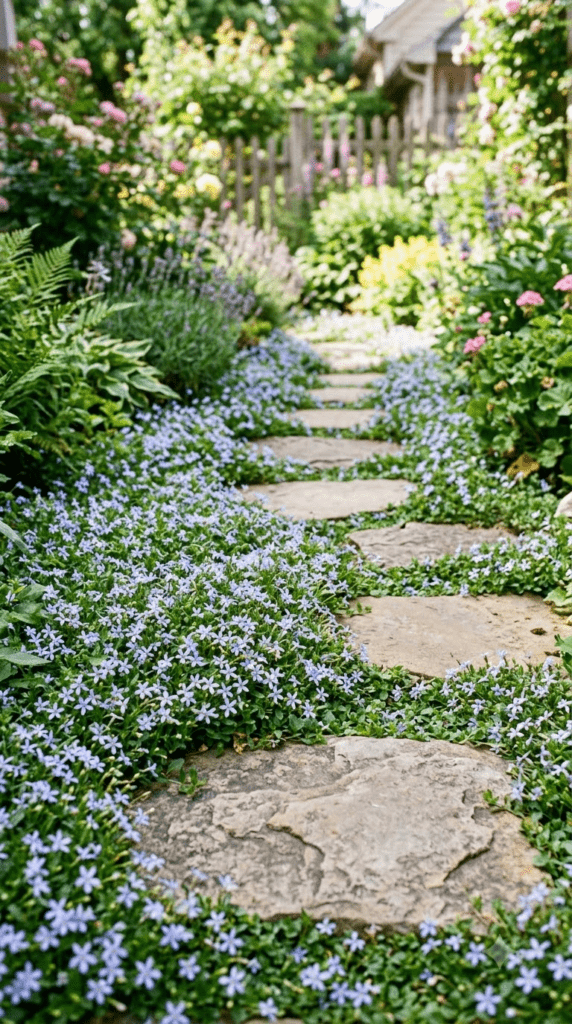
10. Blue Star Creeper (Isotoma fluviatilis)
Staying under three inches tall, Blue Star Creeper spreads quickly with tiny blue flowers from spring through summer. It tolerates light foot traffic, thrives in sun to partial shade, and is rarely bothered by deer.
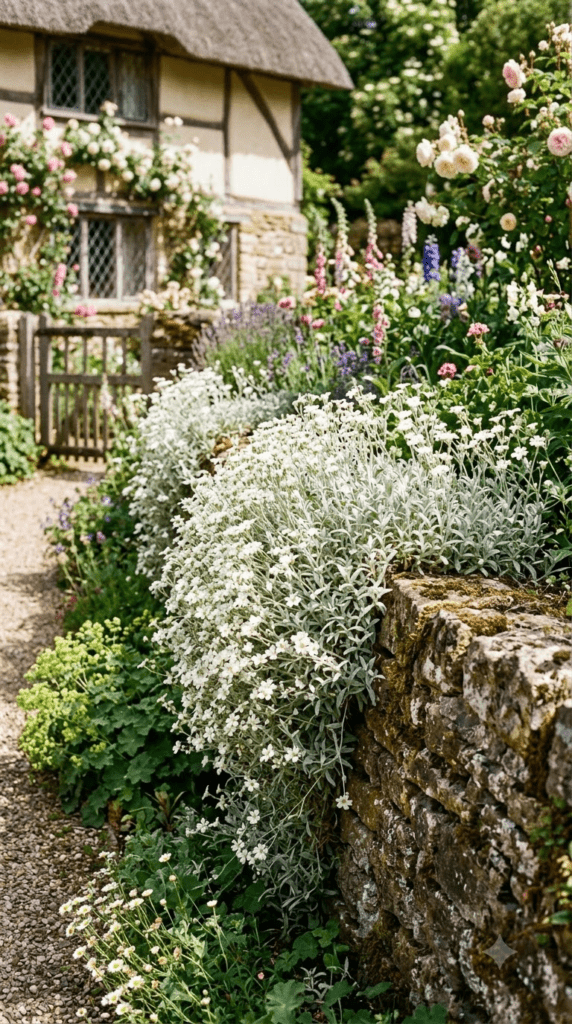
11. Snow-in-Summer (Cerastium tomentosum)
Snow-in-Summer forms a low, silvery mat that bursts into clusters of white flowers in early summer, resembling a dusting of snow. It thrives in full sun with well-drained soil and is rarely touched by deer.
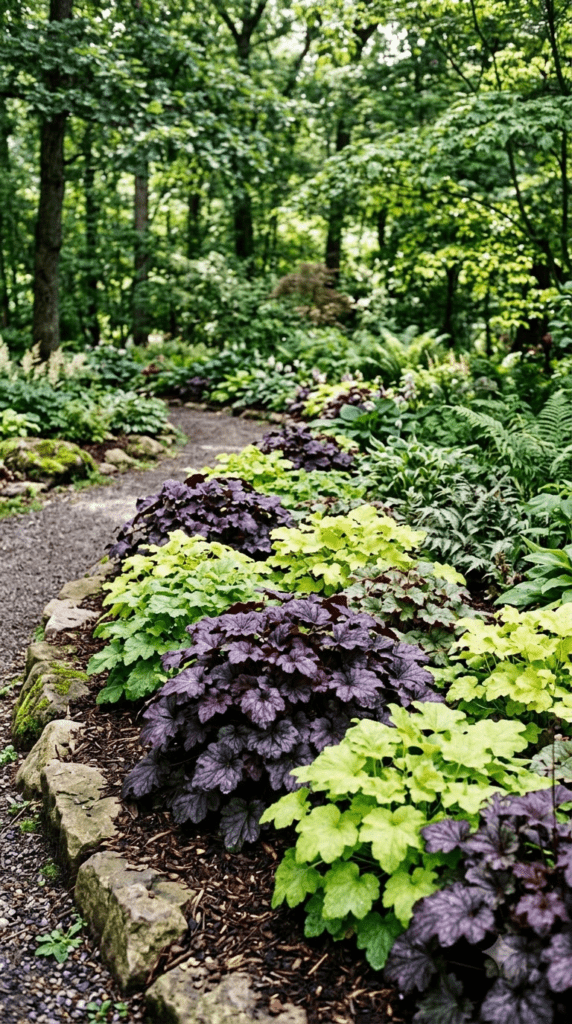
12. Heuchera (Coral Bells)
Heuchera’s colorful leaves — in shades of purple, bronze, and lime green — form tidy mounds that stay attractive across multiple seasons. It thrives in partial shade, attracts hummingbirds with its airy flower spikes, and deer typically leave it alone.
13. Wintercreeper (Euonymus fortunei)
This tough, evergreen ground cover forms a thick, weed-blocking mat of small glossy leaves and tolerates both sun and shade. It can also climb walls or trellises if given the chance, and deer generally steer clear of it.
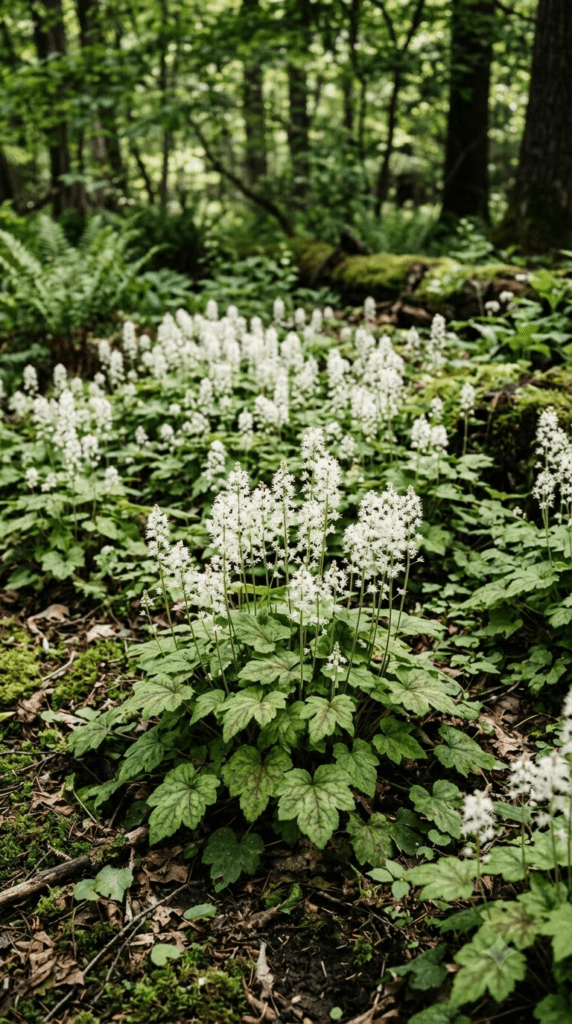
14. Foamflower (Tiarella cordifolia)
Foamflower forms a low mat of heart-shaped leaves, often marked with red patterns, topped with delicate white or pink flower spikes in spring. It thrives in shade and moist soil, and deer rarely bother it.
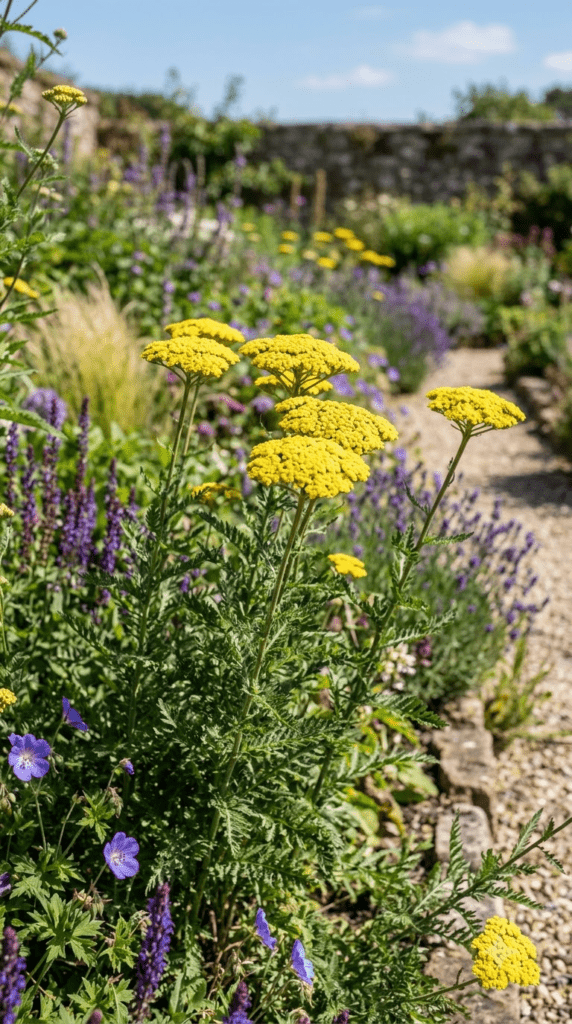
15. Fernleaf Yarrow (Achillea filipendulina)
With ferny foliage and flat clusters of long-lasting yellow flowers, Fernleaf Yarrow thrives in full sun and poor soil while requiring very little care. Its strong scent and slightly bitter leaves make it unappealing to deer.
16. Yellow Creeping Jenny (Lysimachia nummularia)
This fast-spreading ground cover has round, golden-green leaves and small yellow flowers in late spring and early summer. It thrives in moist soil in sun or partial shade, and deer generally leave it untouched.
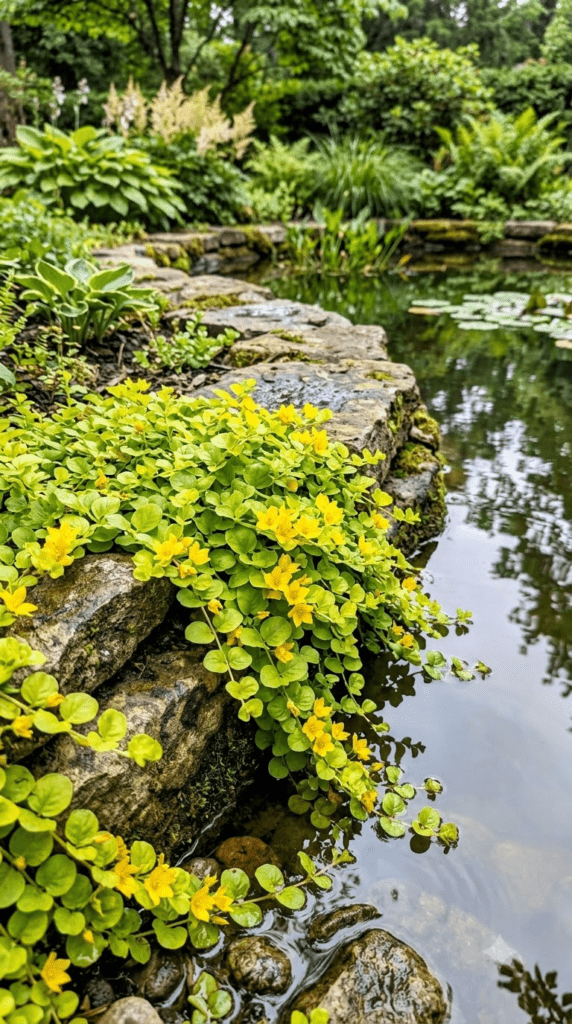
17. Golden Creeping Jenny
A brighter cousin of the above, Golden Creeping Jenny forms a cheerful, low golden-yellow carpet that thrives in full sun to partial shade and spreads quickly over bare ground, rocks, and pond edges. Deer rarely touch it.
How to Successfully Grow Deer-Resistant Ground Covers
Site prep: Check sun exposure, soil drainage, and moisture levels before planting. Loosen soil 3–4 inches deep and mix in compost to give roots an easy start, spacing most plants 12–18 inches apart to allow room to spread.
Watering: Keep soil evenly moist for the first few weeks after planting. Once established, most deer-resistant ground covers only need supplemental water during dry spells.
Mulching: A 2-inch layer of mulch helps retain moisture, suppress weeds, and regulate soil temperature while new plantings fill in.
Maintenance: Trim back overly vigorous growth a few times a year to keep plants tidy, and divide or take cuttings from healthy sections to fill in bare patches over time.
Why Deer-Resistant Ground Covers Are Worth It
Beyond keeping browsing deer away, these plants offer real landscaping benefits: dense root systems that stabilize slopes and prevent soil erosion, flowers that support bees, butterflies, and hummingbirds, and year-round texture that ties a garden together without constant upkeep. Mixing several varieties — combining evergreen mats like Wintercreeper with flowering options like Creeping Thyme or Snow-in-Summer — creates a layered, low-maintenance landscape that looks intentional in every season.