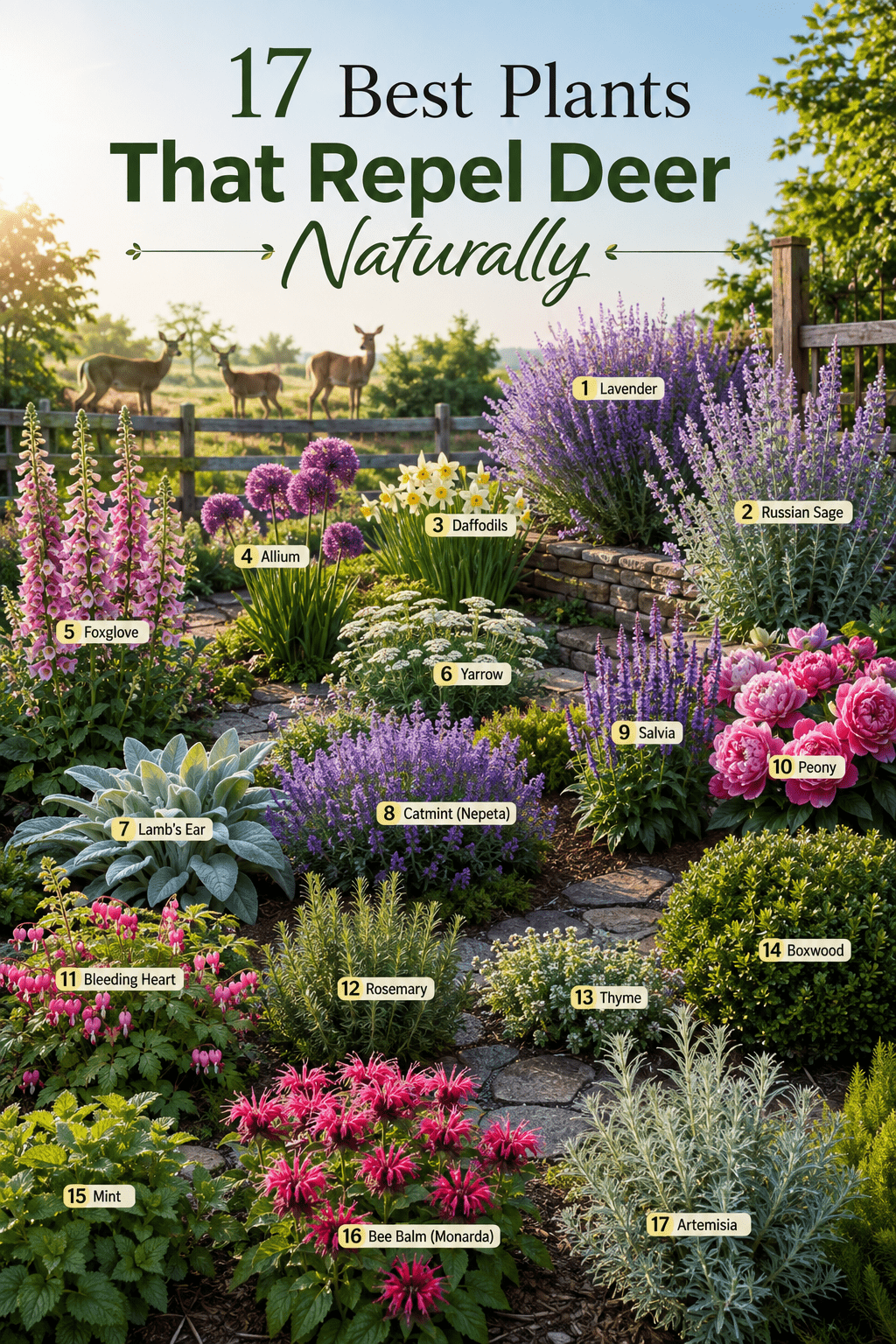
Keeping deer out of the garden without resorting to fences or chemical sprays can feel like an uphill battle — but the right plant choices make a real difference. Deer rely heavily on scent to find food, so plants with strong fragrances, bitter tastes, or fuzzy, tough textures tend to get skipped over in favor of easier meals elsewhere.
Here are 17 of the best plants that naturally repel deer, along with quick care notes and an image for each so you can visualize how they’d look in your own garden.
11 Houseplants That Naturally Cool Down Your Home
16 Futuristic Bathroom Designs with Glowing LED Accents & Sleek Floating Vanities
24 Gorgeous Container Garden Designs You’ll Want to Copy
Rattlesnake Plant Care 101: 11 Secrets to Keep Those Wild Leaf Patterns Thriving
8 Stunning Money Plant Ideas to Transform Your Home Decor in 2026
Fiddle Leaf Fig Dropping Leaves? Here’s Why
Poolside Paradise: 17 Low-Fuss Plants That Turn Your Backyard Into a Resort
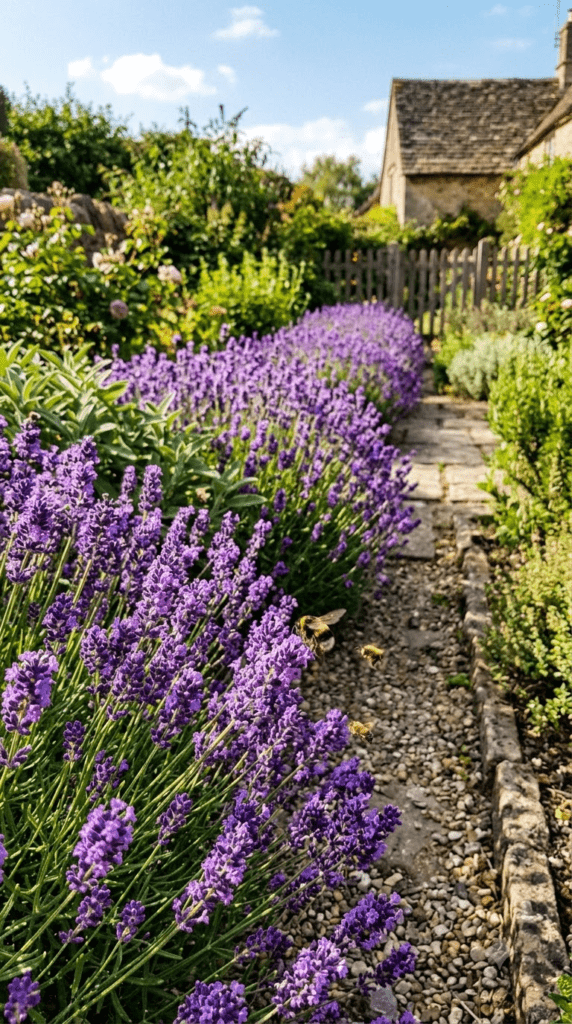
1. Lavender
Lavender’s powerful fragrance is beloved by gardeners but off-putting to deer, making it a natural, fragrant border plant. It thrives in full sun and well-drained soil, needs very little water once established, and pairs beautifully with other deer-resistant herbs like rosemary and sage.
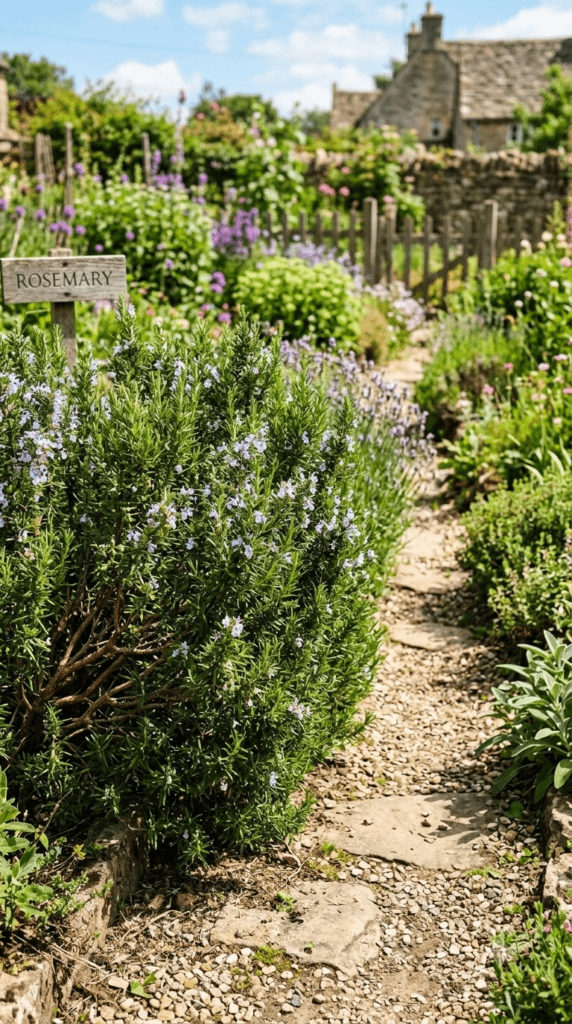
2. Rosemary
With its sharp, piney scent and tough, needle-like leaves, Rosemary naturally deters deer while doubling as a kitchen herb. It thrives in sunny, well-drained spots, tolerates drought well, and stays green year-round in many climates.
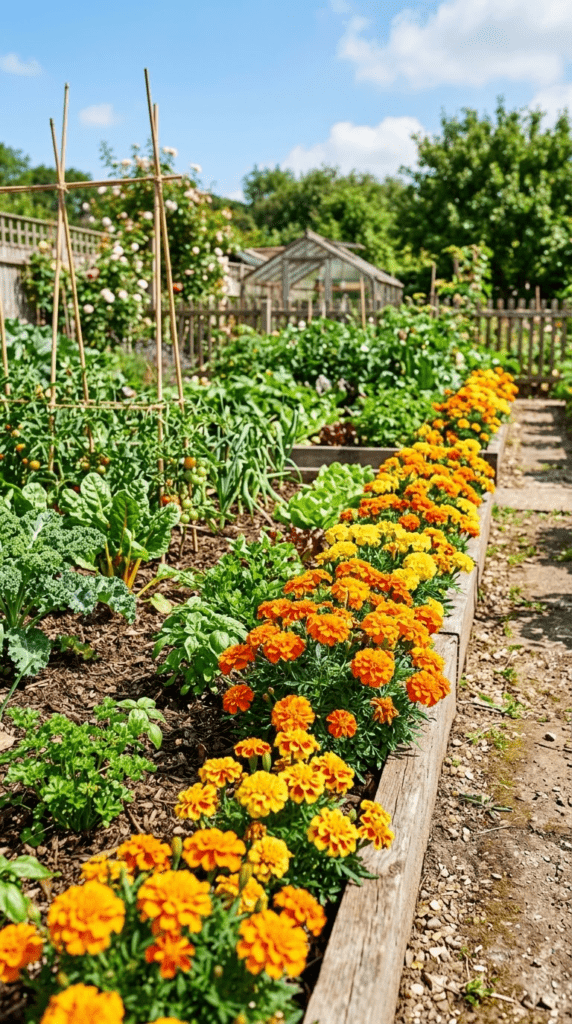
3. Marigold
Marigolds bring bold pops of yellow, orange, and gold to the garden, and their strong scent keeps deer at a distance while also repelling common pests like aphids. They thrive in full sun, tolerate poor soil, and are easy to grow from seed.
4. Sage
Sage’s earthy, strong aroma and fuzzy leaves make it unappealing to deer, while its sunny, dry-loving nature makes it easy to maintain. Common and purple sage varieties both work well planted near more delicate flowers for extra protection.
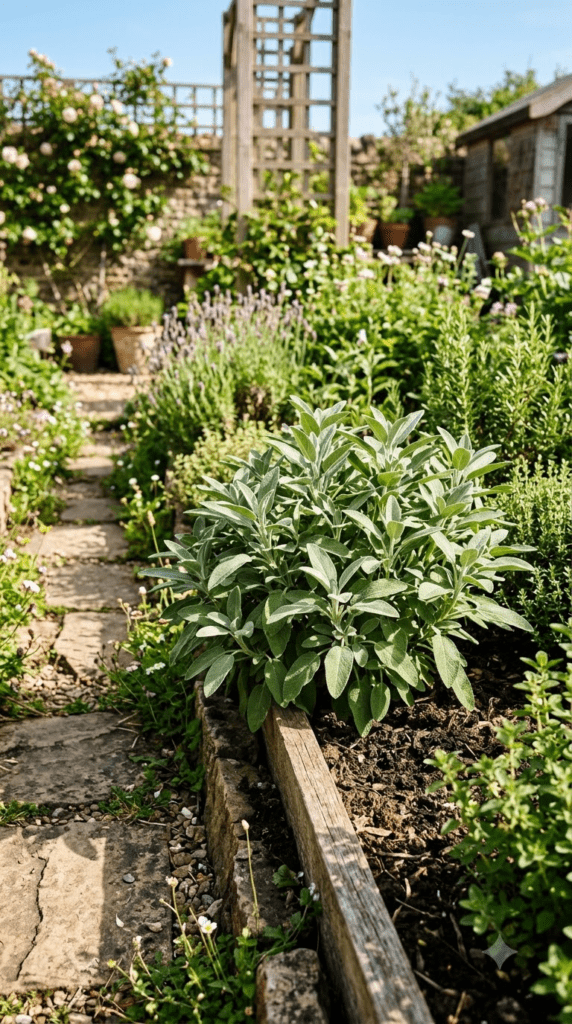
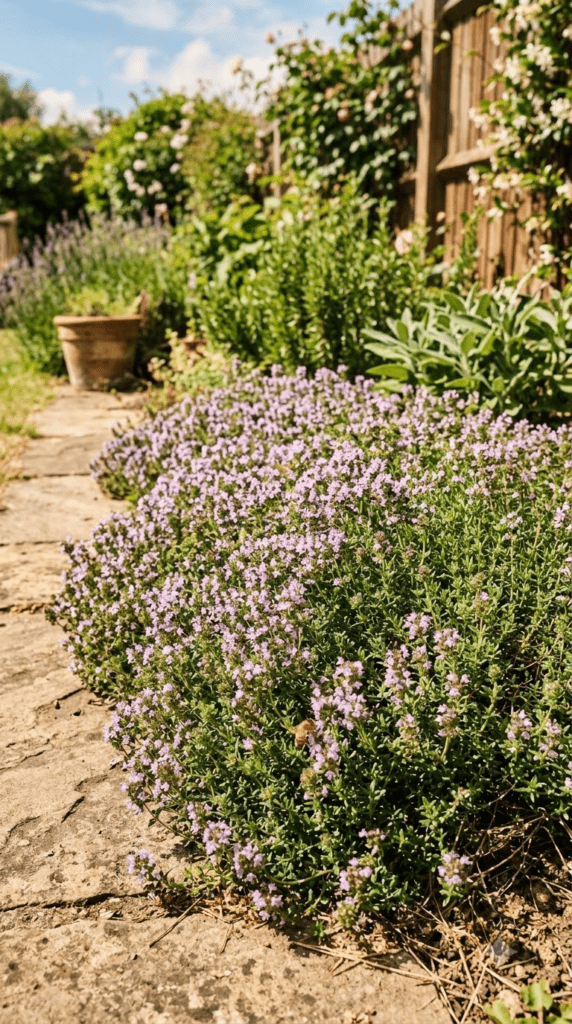
5. Thyme
Thyme’s low, spreading growth and strong scent make it a dual-purpose plant — useful in the kitchen and effective at keeping deer away from garden edges. It thrives in dry, sunny spots and produces small purple blooms that attract bees.
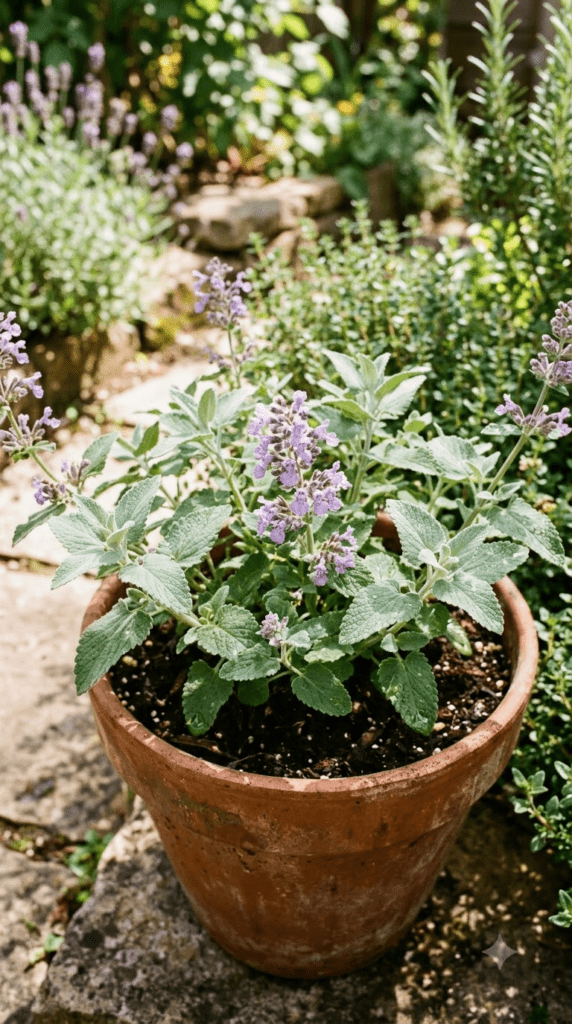
6. Catnip
While cats can’t resist it, the minty scent of Catnip has the opposite effect on deer, making it a smart border plant. It thrives in full sun with well-drained soil and spreads quickly, so many gardeners keep it contained in pots or small beds.
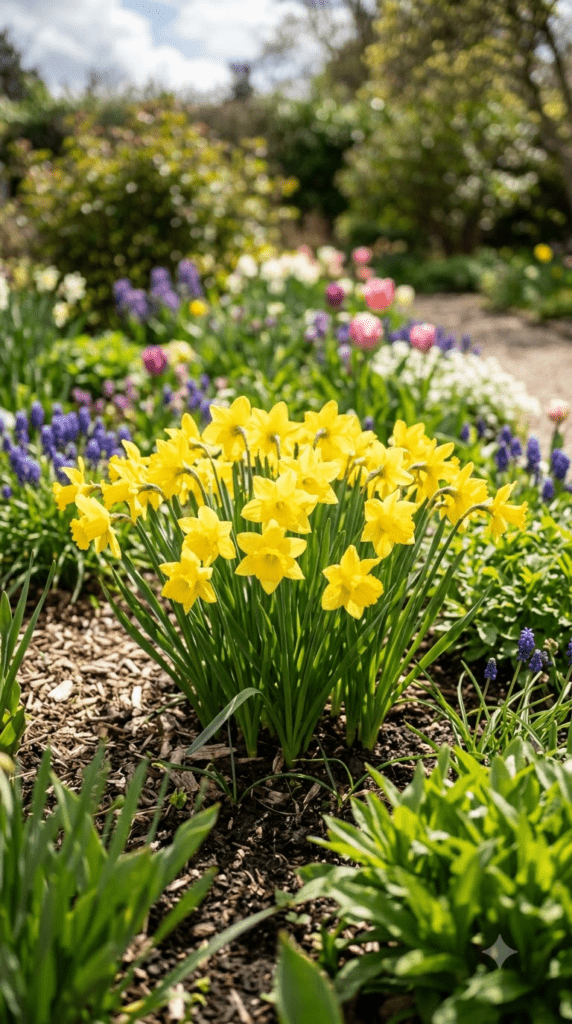
7. Daffodil
Every part of the daffodil contains a natural toxin that deer, rabbits, and squirrels instinctively avoid, making it a reliably deer-proof spring bulb. Once planted, daffodils return and spread on their own year after year with minimal care.
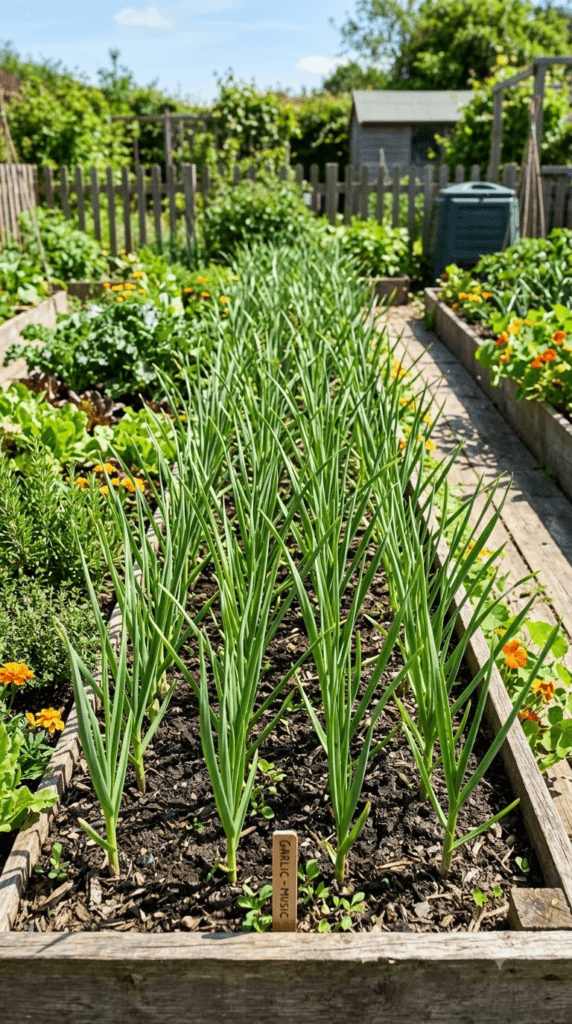
8. Garlic
Garlic’s pungent smell is highly effective at keeping deer away from nearby plants, and it’s remarkably simple to grow — just plant cloves and let them establish. Some gardeners also crush cloves into a homemade spray for an extra deterrent boost.
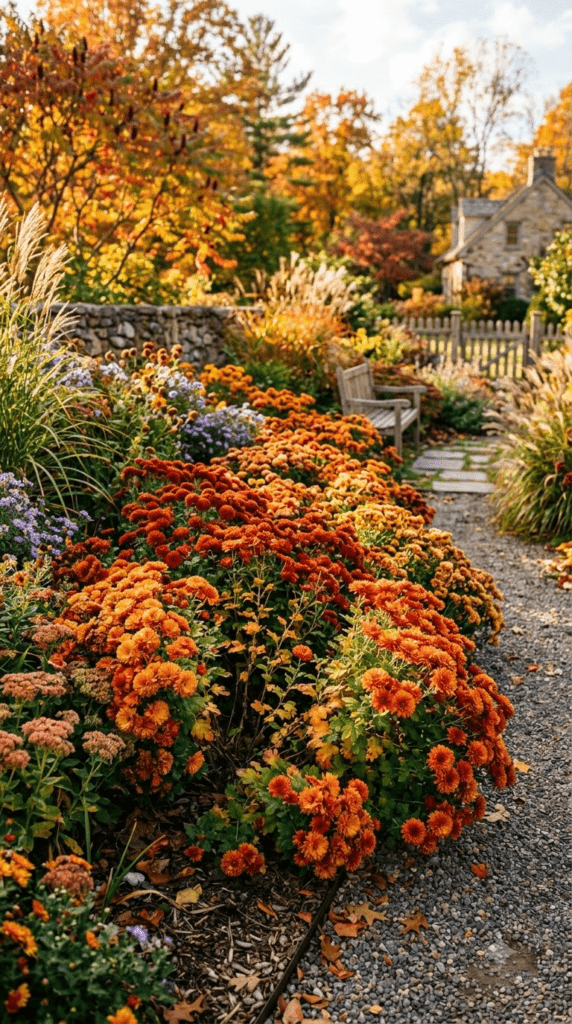
9. Chrysanthemum
Chrysanthemums bring bold fall color in shades of yellow, red, orange, and pink, and their strong scent and slightly bitter taste tend to keep deer at bay. They thrive in full sun with well-drained soil and attract pollinators even as deer pass them by.
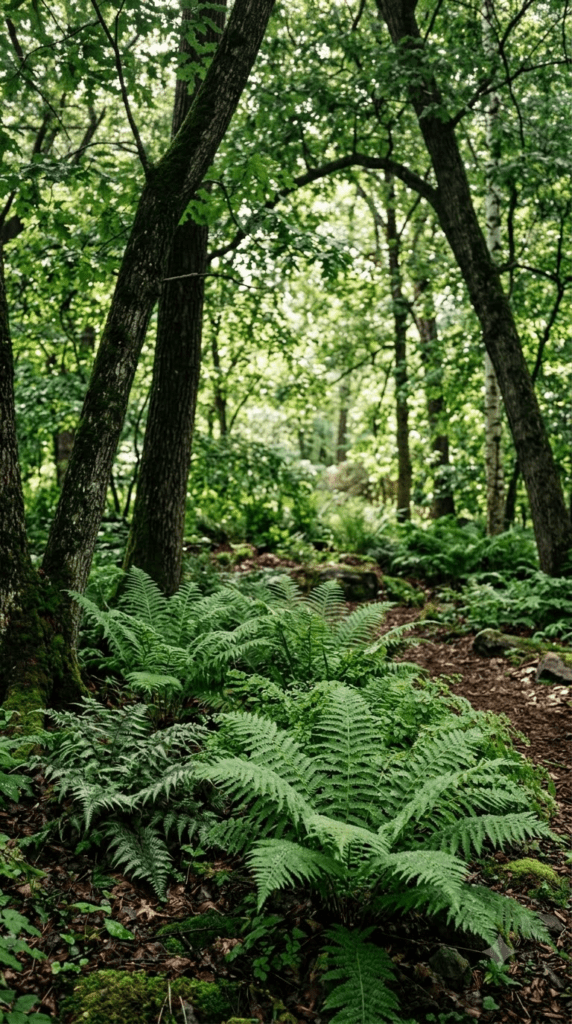
10. Ferns
Ferns’ fibrous, textured fronds simply don’t interest deer, making them an excellent choice for shady or wooded garden corners. Varieties like lady fern, ostrich fern, and Christmas fern thrive in moist soil and partial to full shade with minimal upkeep.
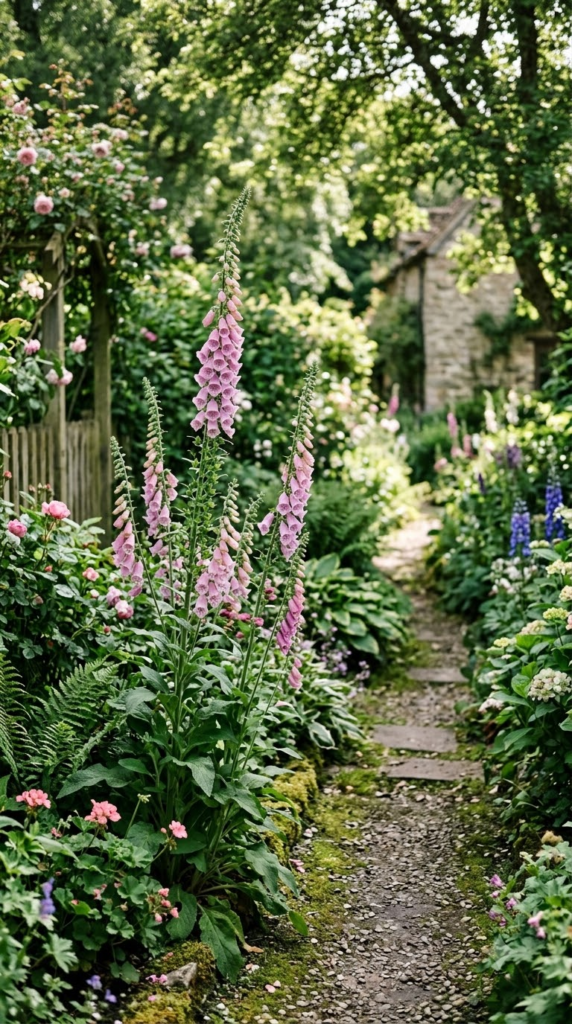
11. Foxglove
Foxglove’s tall, bell-shaped flower spikes in pinks and purples are a garden showstopper, and because every part of the plant is toxic, deer instinctively avoid it. It prefers partial shade and moist, well-drained soil, and often self-seeds for new blooms each year.
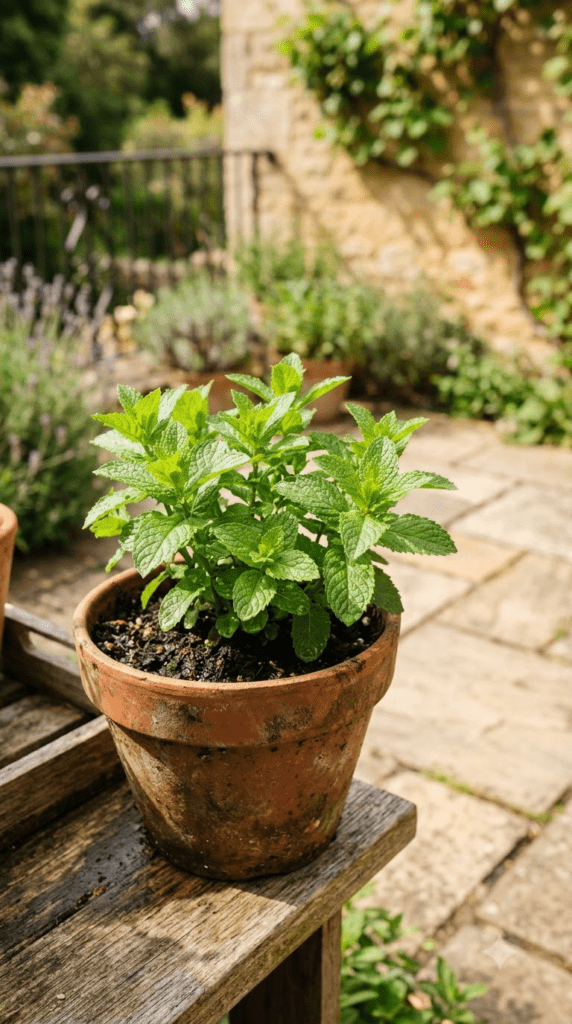
12. Peppermint
Peppermint’s sharp, minty scent is refreshing to people but overwhelming to deer, making it a useful protective border plant. It thrives in moist, partly sunny spots and spreads quickly, so it’s often best kept in pots or contained beds.
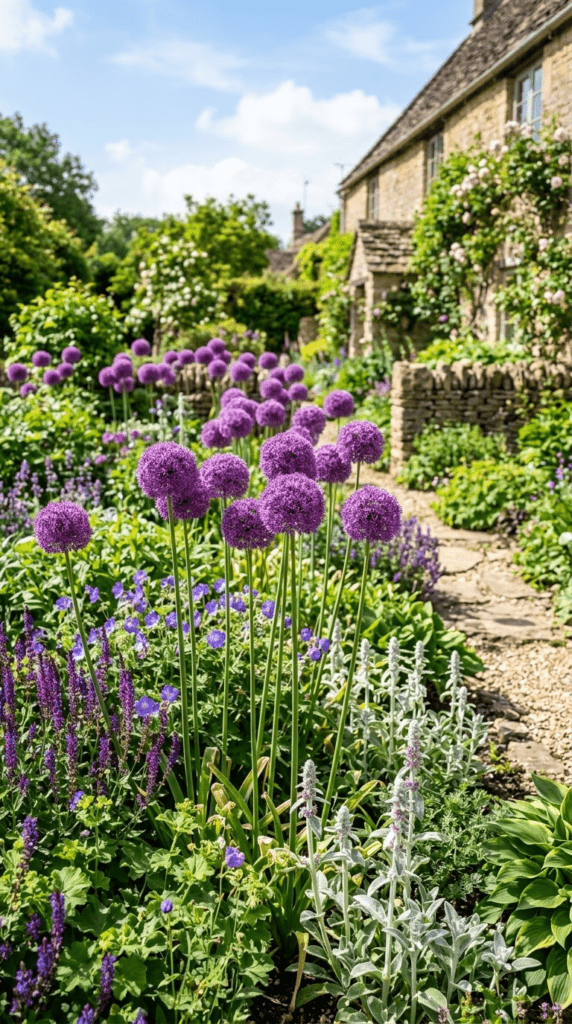
13. Allium
Allium’s round, globe-shaped flower clusters in purple, pink, and white make a striking vertical statement, while its pungent, onion-like scent naturally repels deer. It’s planted from bulbs in fall, thrives in well-drained soil and full sun, and also attracts pollinators.
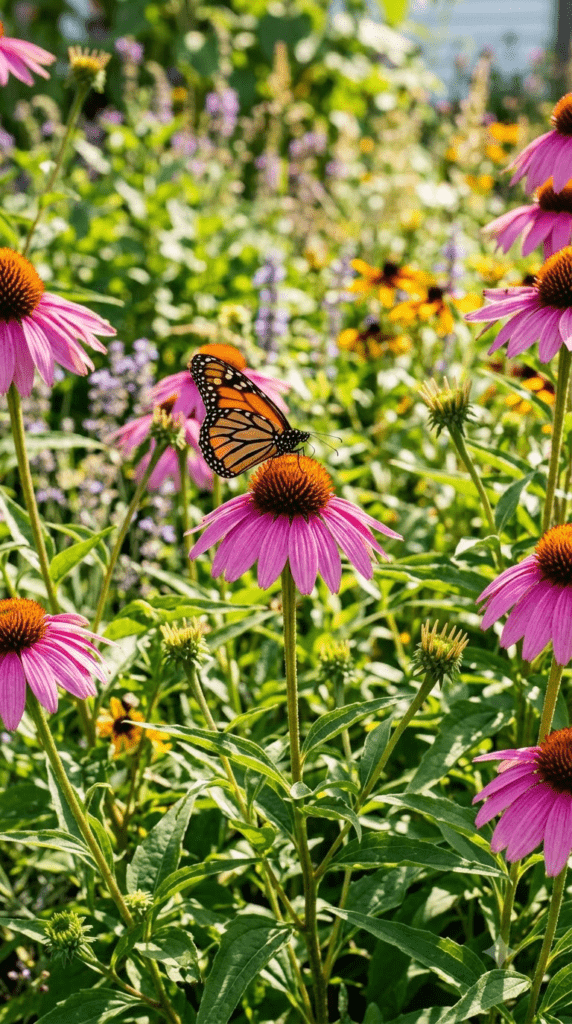
14. Echinacea (Coneflower)
Echinacea’s rough-textured leaves and strong scent tend to keep deer away, while its bold purple petals and dark centers attract bees, butterflies, and later, seed-eating birds. It thrives in full sun and tolerates heat and light drought with ease.
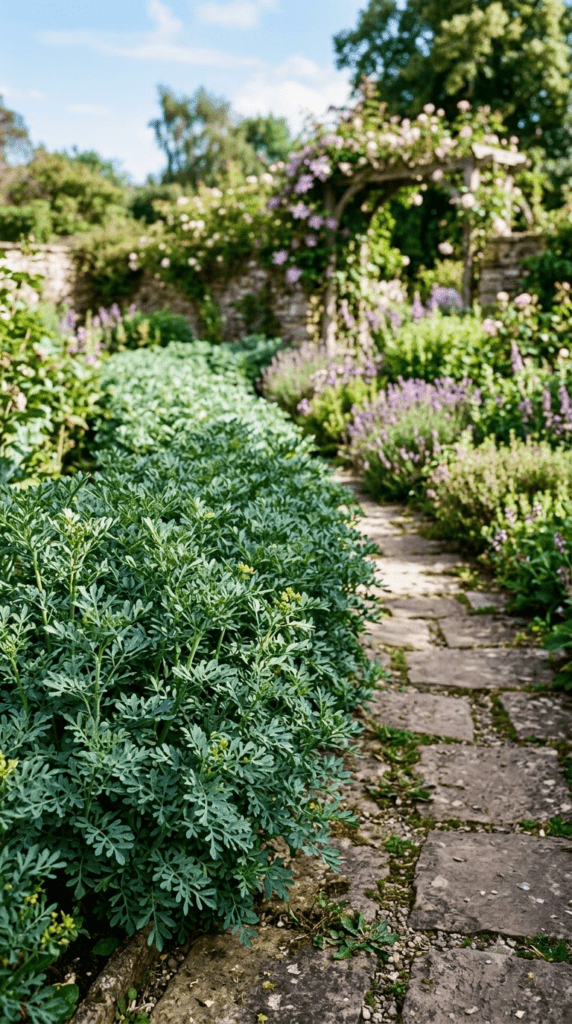
15. Rue
Rue’s bitter taste and strong scent make it unappealing not just to deer, but to rabbits as well, and its soft blue-green foliage adds a delicate texture to garden borders. It thrives in full sun and well-drained soil, tolerating heat and drought once established.
16. Snapdragons
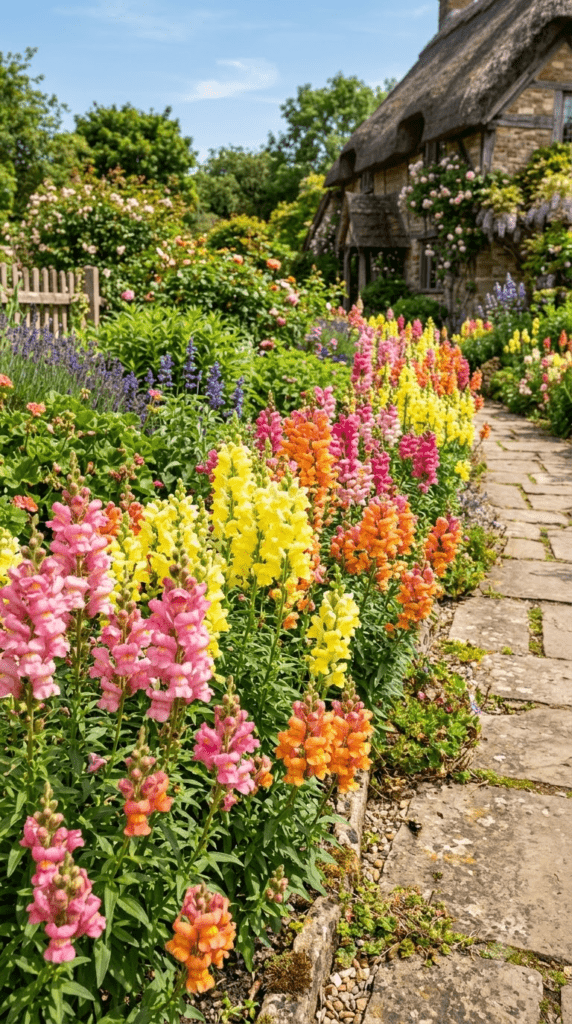
Snapdragons’ bitter taste and slightly fuzzy texture make them a plant deer typically pass over, while their tall, colorful flower spikes add vertical interest to borders and containers. They thrive in full sun, bloom through the warm months, and make excellent, long-lasting cut flowers.
17. Wormwood
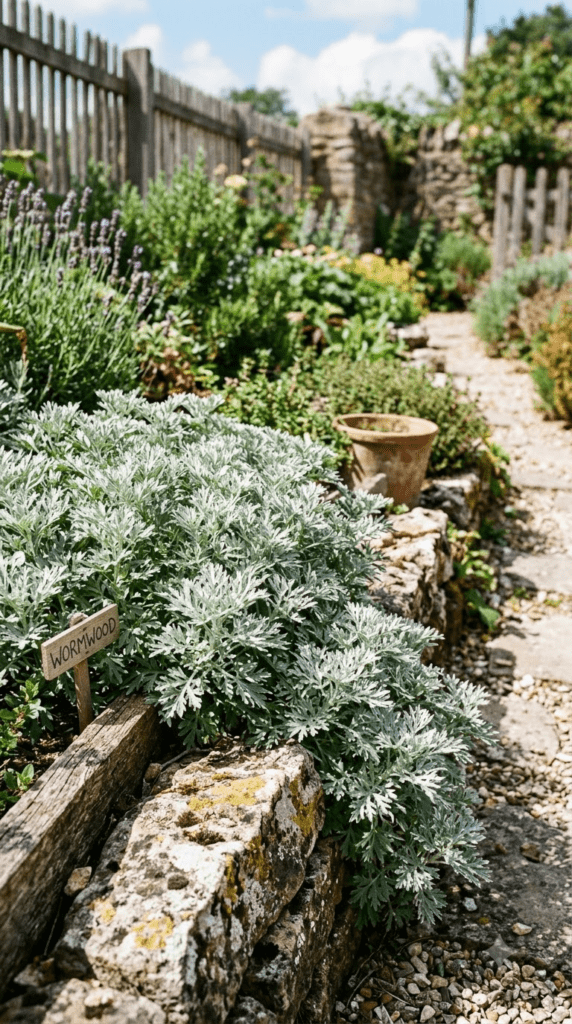
Wormwood’s sharp, pungent scent and silvery-gray foliage make it one of the toughest natural deer deterrents, thriving in dry, sunny spots with poor soil. Its feathery texture adds a soft, wild contrast against brighter garden colors, though it benefits from occasional pruning to control its spread.
How Deer-Repellent Plants Work
Deer rely heavily on scent to locate food and avoid danger, so plants with strong essential oils — like lavender, rosemary, and mint — effectively overwhelm their sense of smell and send them looking elsewhere. Bitter tastes, fuzzy textures, and tough, woody growth add another layer of deterrence, since deer generally prefer soft, mild-tasting foliage.
Tips for Building a Deer-Resistant Garden
Layer your defenses: Plant the most fragrant, deer-resistant plants like lavender, sage, and Russian sage along garden borders, then tuck more vulnerable plants safely behind them.
Mix textures and heights: Combining tall ornamental grasses with low herbs and fuzzy-leaved plants like lamb’s ear makes it harder and less appealing for deer to move through the space.
Use companion planting: Place strong-smelling herbs like rosemary, thyme, or oregano near vulnerable favorites like roses or hostas to help mask their scent.
Avoid open pathways: Deer favor easy, unobstructed access, so grouping deer-resistant plants together with minimal gaps creates a stronger natural barrier.
Consider deer-resistant shrubs: Boxwood, barberry, and juniper are all shrubs deer tend to avoid, and they add year-round structure to a deer-resistant landscape design.
Final Thoughts
Building a deer-resistant garden doesn’t mean sacrificing beauty — many of the most effective deterrent plants, from lavender to coneflower to daffodils, are also some of the most visually rewarding. By layering fragrant herbs, bitter-tasting perennials, and textured foliage throughout your landscape, you can enjoy a colorful, thriving garden while keeping browsing deer at bay, naturally.