
Filling your home with greenery shouldn’t mean gambling with your pet’s health. The good news is that dozens of beautiful, easy-care houseplants are completely non-toxic to cats and dogs, so you don’t have to choose between a lush indoor jungle and a safe home for your furry companions.
Below are 25 pet-safe indoor plants, along with quick care notes and an image prompt for each so you can visualize how they’d look in your own space.
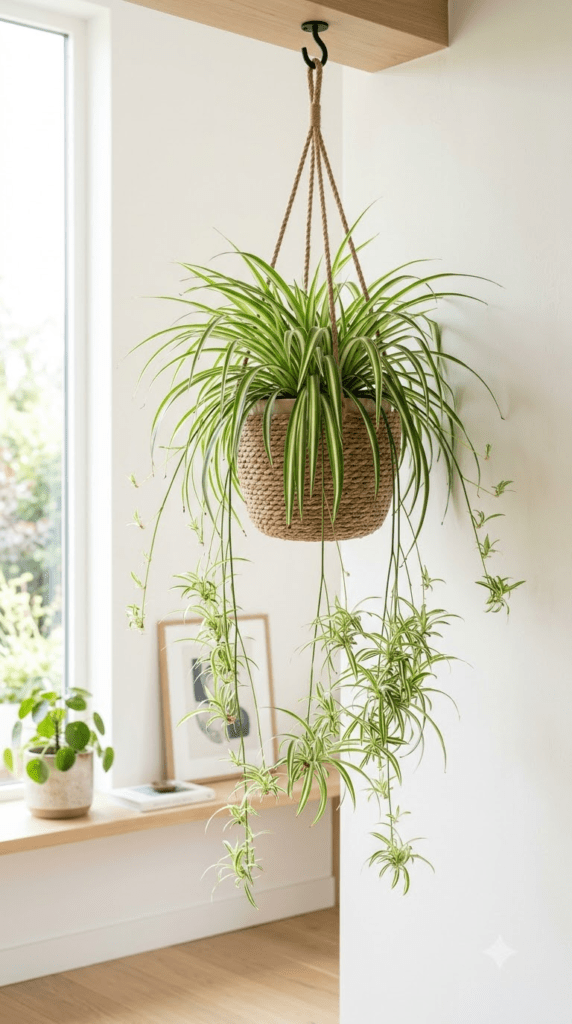
1. Spider Plant
Spider plants are a pet-owner favorite thanks to their arching, striped leaves and easy-going nature. They tolerate a range of light conditions and produce baby “pups” you can propagate and share.
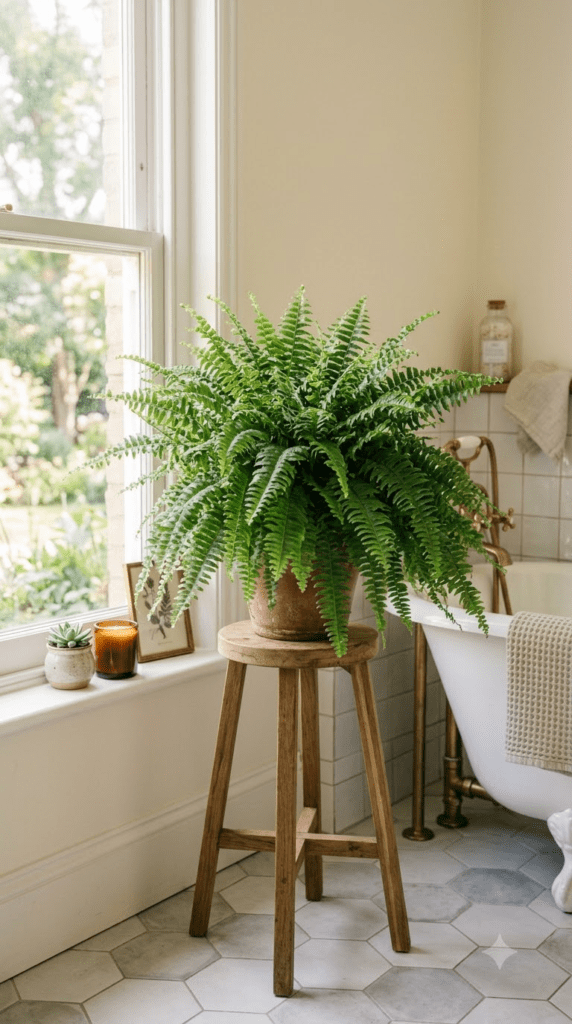
2. Boston Fern
With soft, feathery fronds, the Boston Fern brings a lush, cooling presence to any room and thrives in humid spots like bathrooms.
11 Houseplants That Naturally Cool Down Your Home
16 Futuristic Bathroom Designs with Glowing LED Accents & Sleek Floating Vanities
24 Gorgeous Container Garden Designs You’ll Want to Copy
Rattlesnake Plant Care 101: 11 Secrets to Keep Those Wild Leaf Patterns Thriving
8 Stunning Money Plant Ideas to Transform Your Home Decor in 2026
Fiddle Leaf Fig Dropping Leaves? Here’s Why
Poolside Paradise: 17 Low-Fuss Plants That Turn Your Backyard Into a Resort
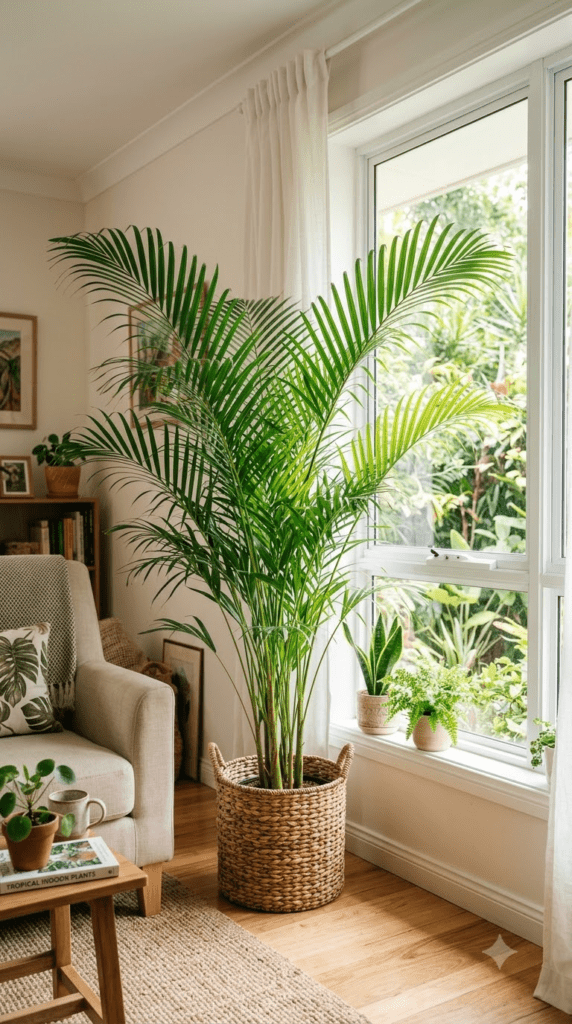
3. Areca Palm
This graceful, feather-leafed palm adds a tropical resort feel indoors and doubles as a natural humidifier for dry rooms.
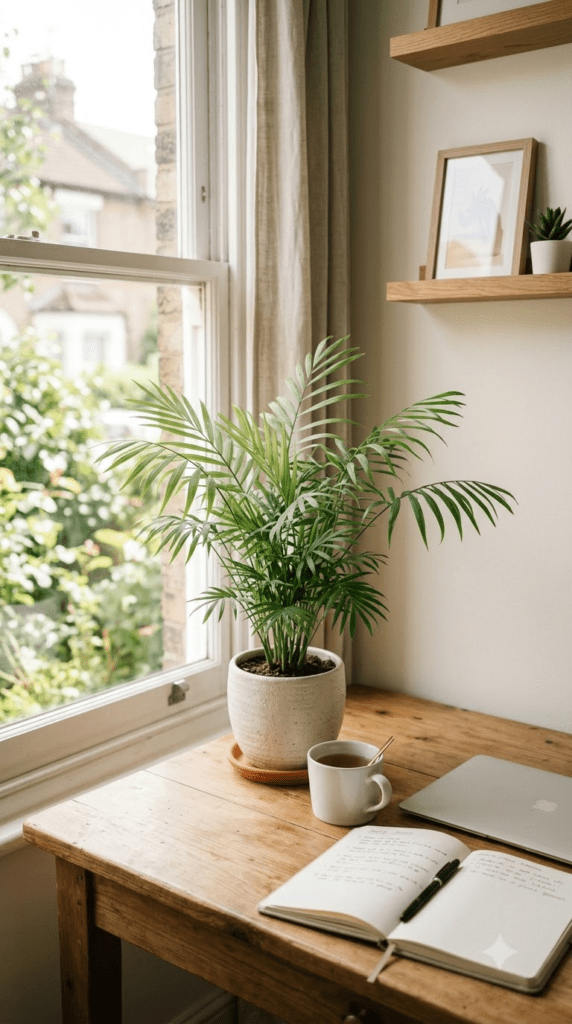
4. Parlor Palm
Compact and slow-growing, the Parlor Palm tolerates lower light better than most palms, making it ideal for offices and apartments.
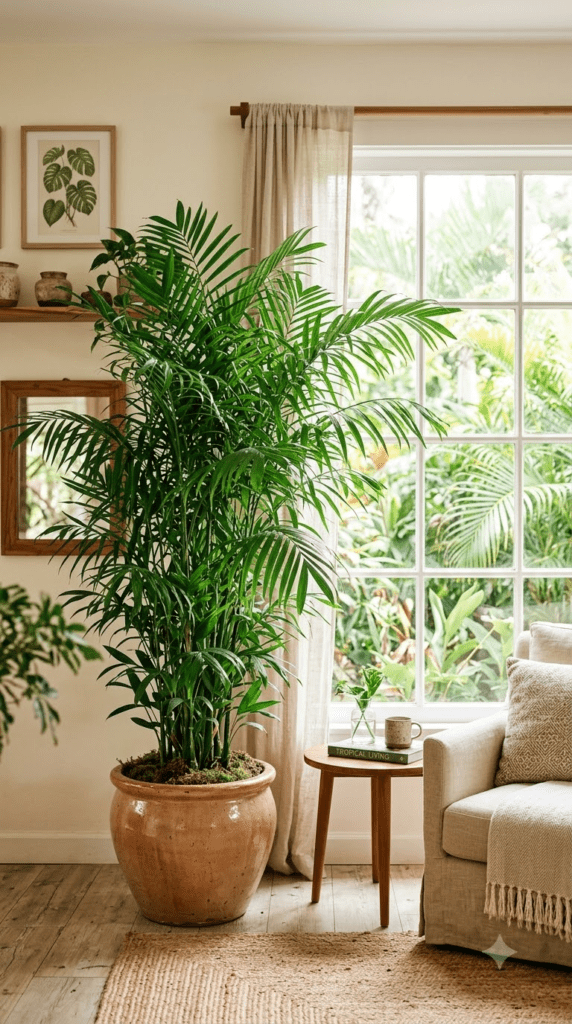
5. Bamboo Palm
A taller, clumping palm that filters indoor air and brings a jungle-like density to a room without demanding much care.
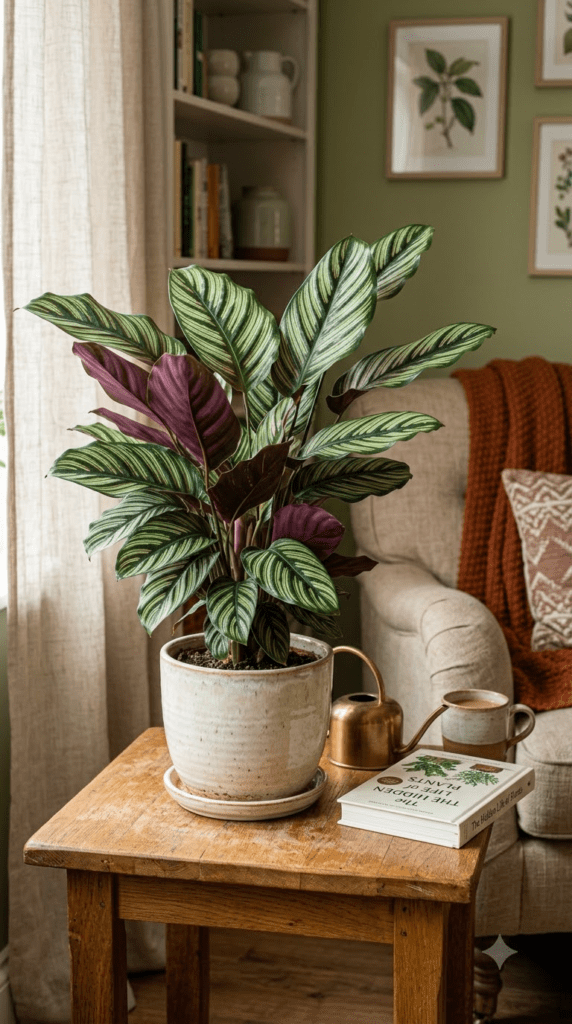
6. Calathea
Known for its bold, patterned leaves that fold up at night, Calathea adds striking color and movement to shaded corners.
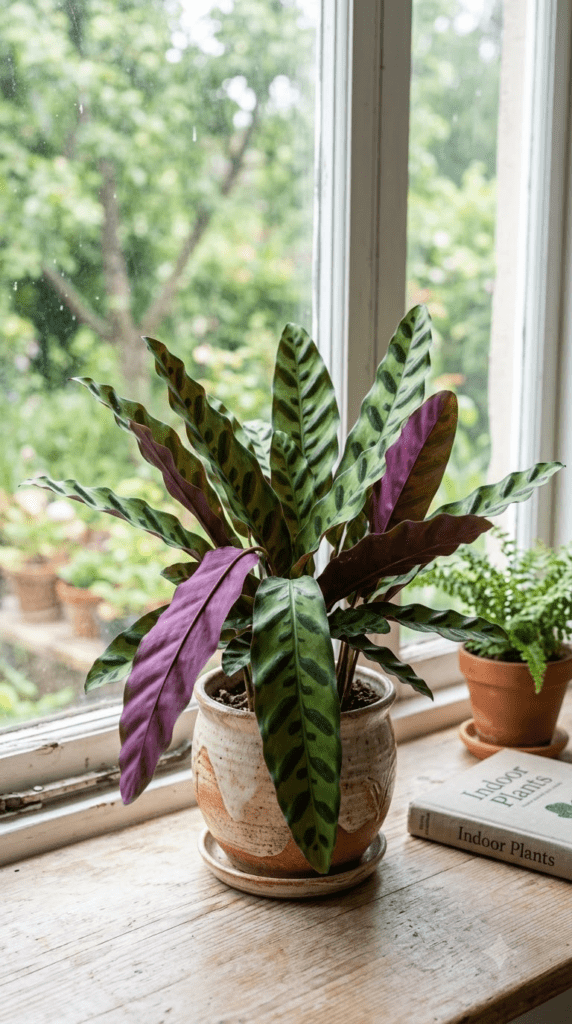
7. Rattlesnake Plant
A Calathea relative with wavy, dark-green leaves and deep purple undersides, this plant thrives in bright, indirect light and higher humidity.
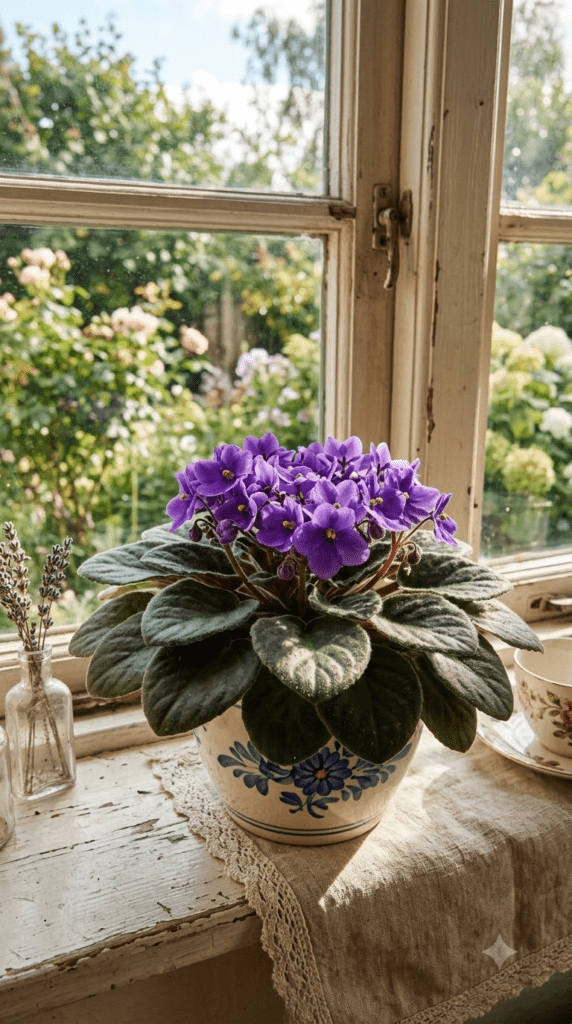
8. African Violet
These compact, fuzzy-leafed plants produce cheerful purple, pink, or white blooms nearly year-round and stay small enough for any windowsill.
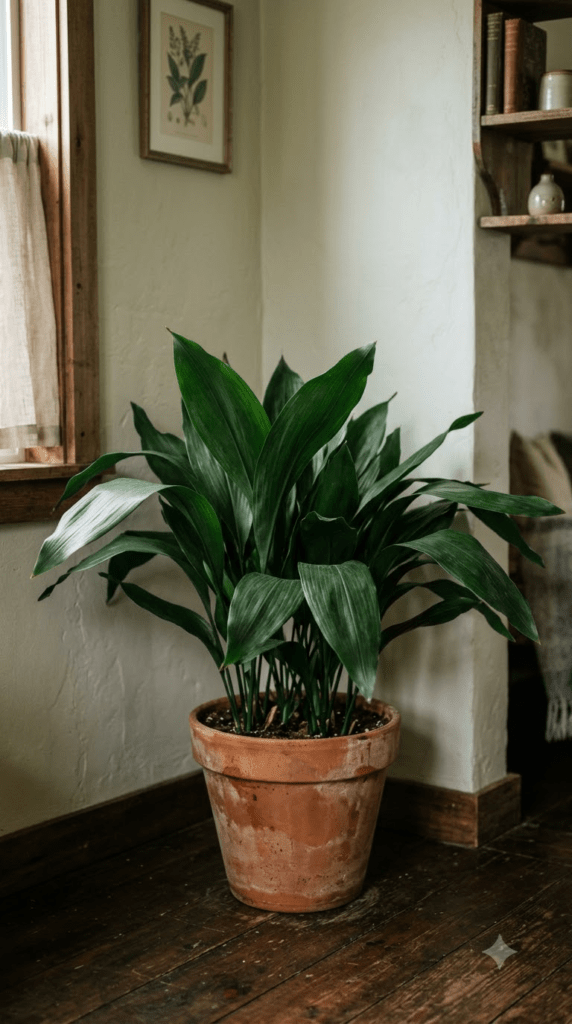
9. Cast Iron Plant
True to its name, this nearly indestructible plant tolerates low light, irregular watering, and neglect while still producing glossy, dark green leaves.
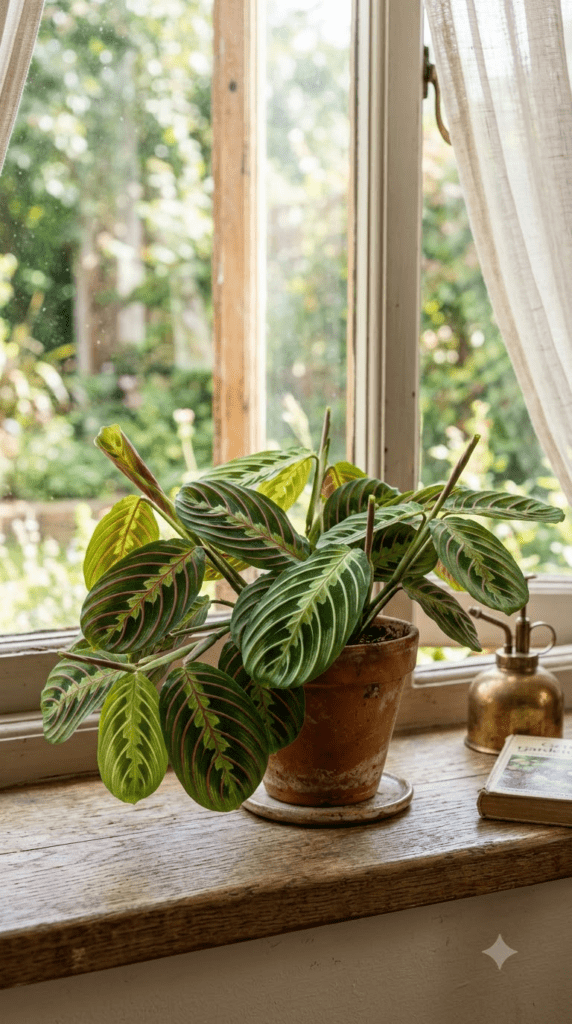
10. Prayer Plant
Named for the way its patterned leaves fold upward at night like praying hands, this compact plant adds color to shelves and desks.
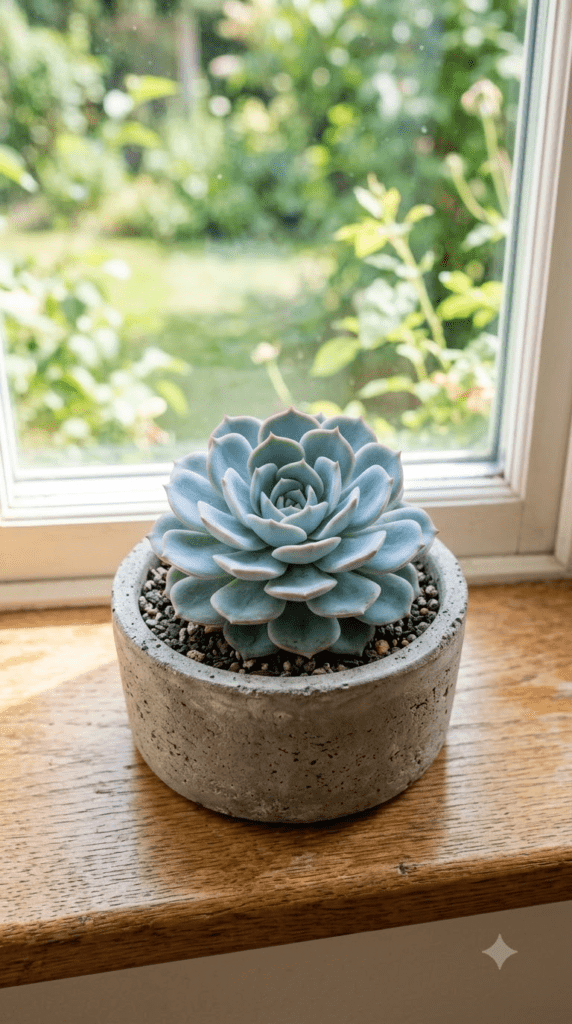
11. Blue Echeveria
This blue-green rosette succulent is compact, drought-tolerant, and occasionally sends up delicate flower stalks.
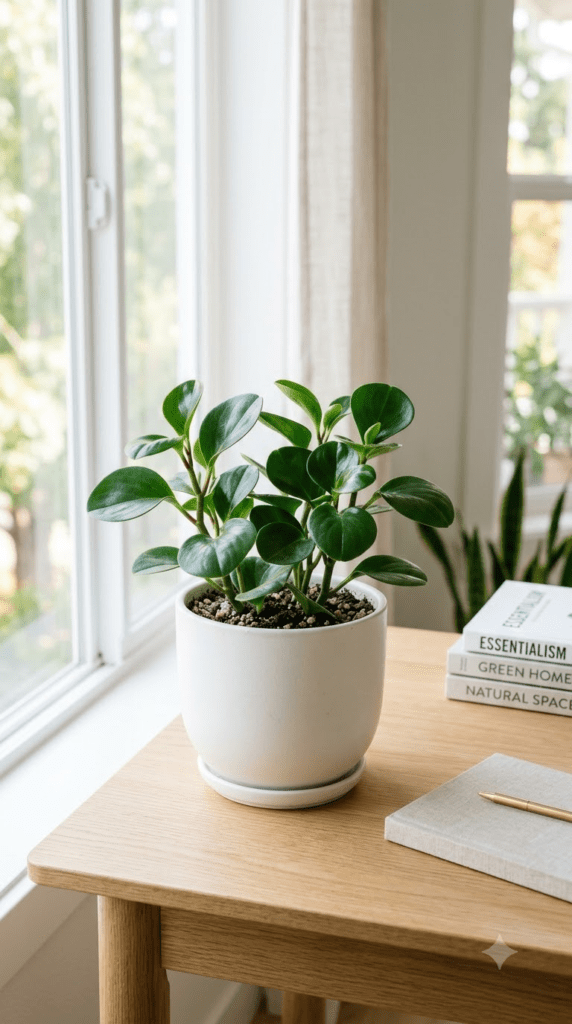
12. Baby Rubber Plant
Not related to the true Rubber Plant, this compact Peperomia species has thick, glossy leaves and needs very little upkeep.
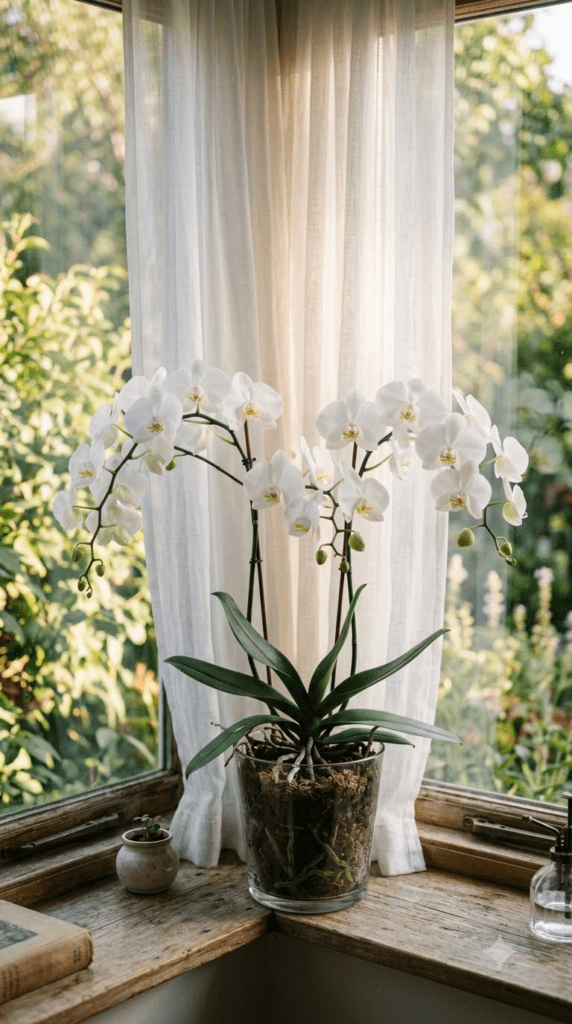
13. Moth Orchid
Elegant and long-blooming, Moth Orchids produce flower spikes that can last for weeks at a time in soft shades of white, pink, or purple.
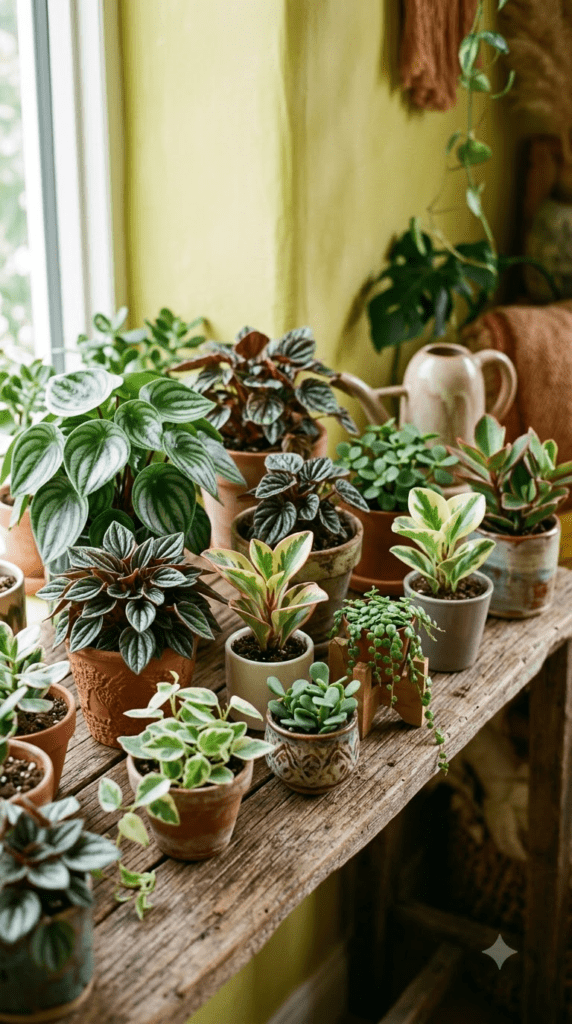
14. Peperomia
With dozens of varieties in different leaf shapes and colors, Peperomia is compact, slow-growing, and virtually mess-free.
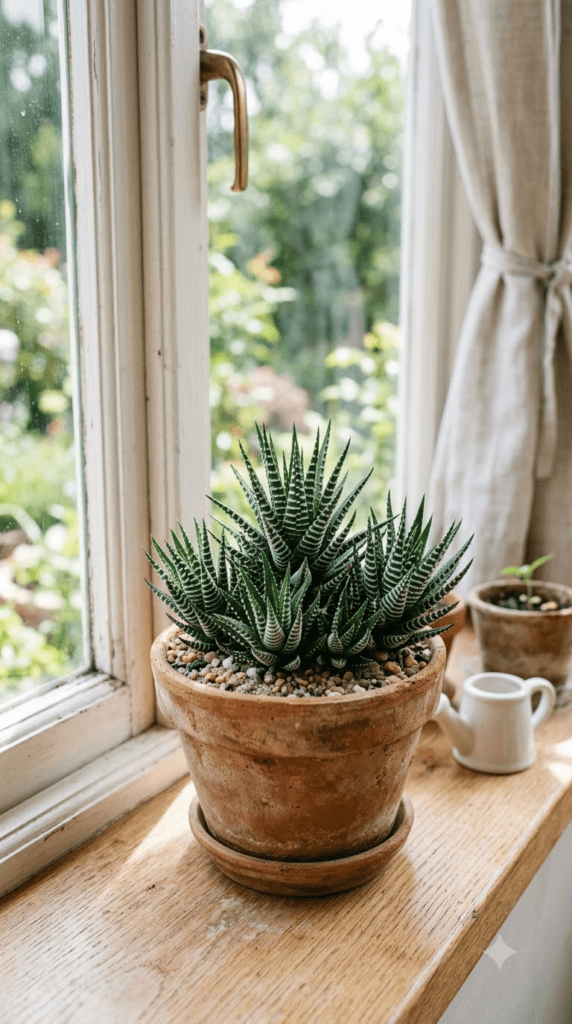
15. Haworthia
These small, striped succulents resemble mini aloe plants and thrive on neglect, needing only bright light and infrequent watering.
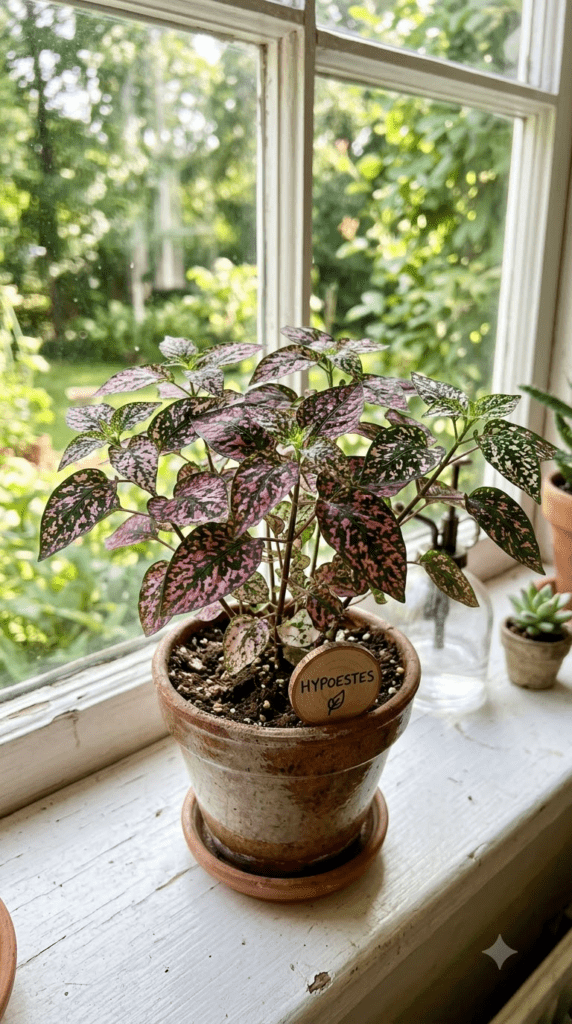
16. Polka Dot Plant
Its speckled pink, red, or white leaves add a playful pop of color, though regular pinching keeps it from getting leggy.
17. Lipstick Plant
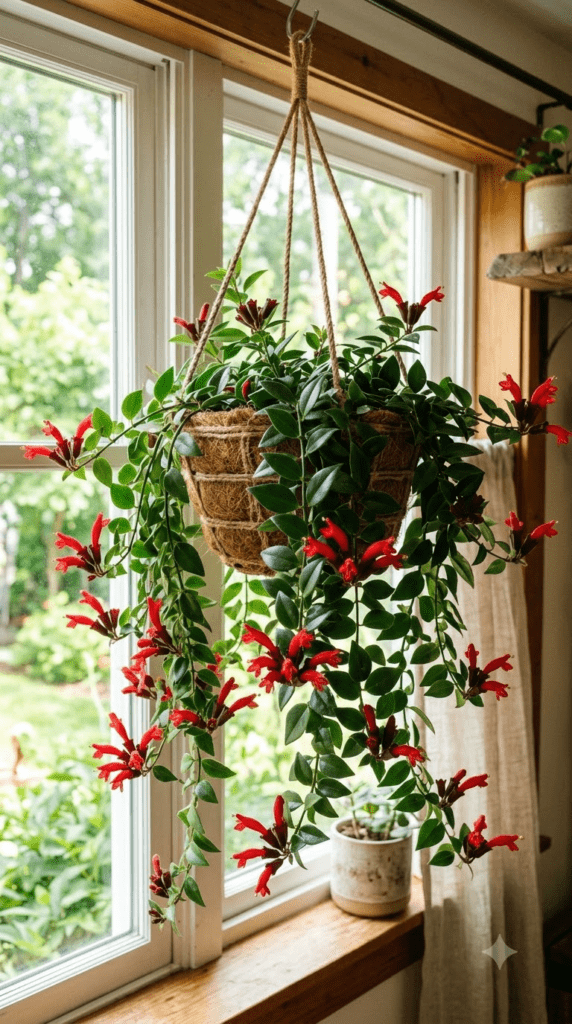
Named for its tube-shaped red blooms that emerge from dark maroon buds, this trailing plant looks striking in a hanging basket.
18. Friendship Plant
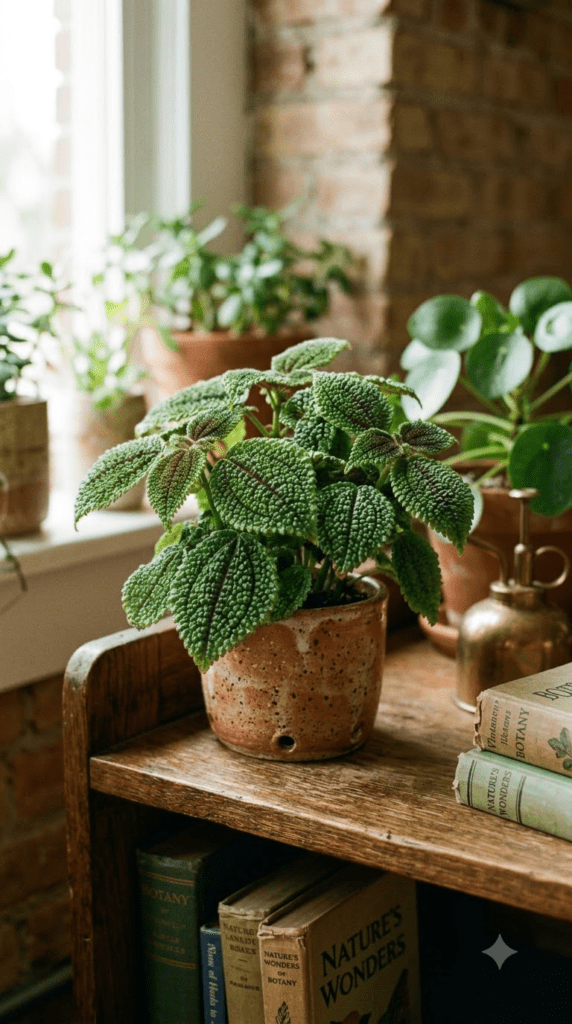
Also known as Pilea involucrata, this textured, quilted-leaf plant is easy to propagate and share with friends.
19. Money Tree
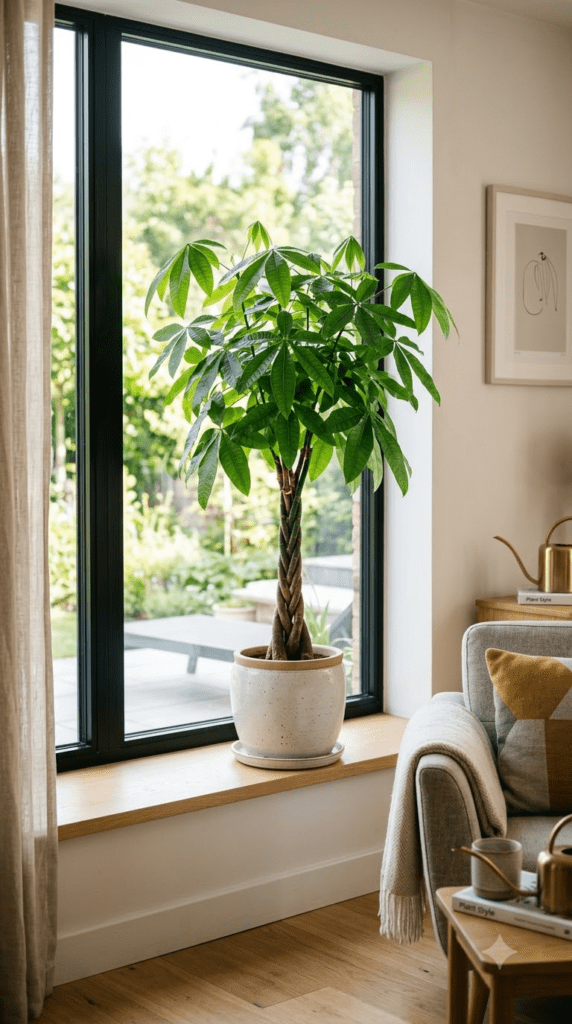
With its braided trunk and glossy leaves, the Money Tree is a popular, easy-care choice believed by many to bring good luck.
20. English Ivy (Use With Caution)
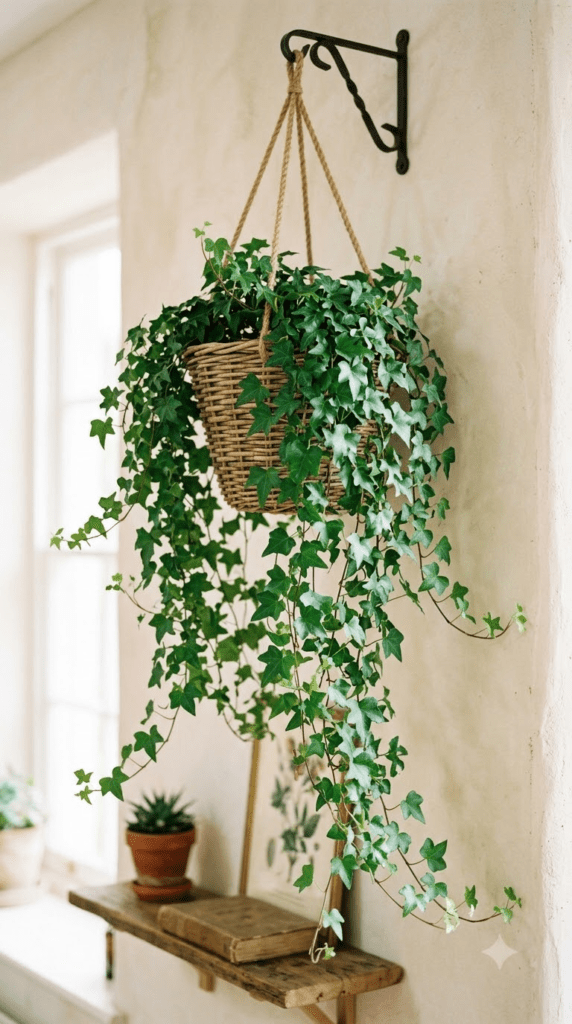
While its trailing vines are beautiful for baskets and shelves, English Ivy is actually toxic to cats and dogs if ingested, so it should only be kept well out of a pet’s reach — high shelves or hanging planters are safest.
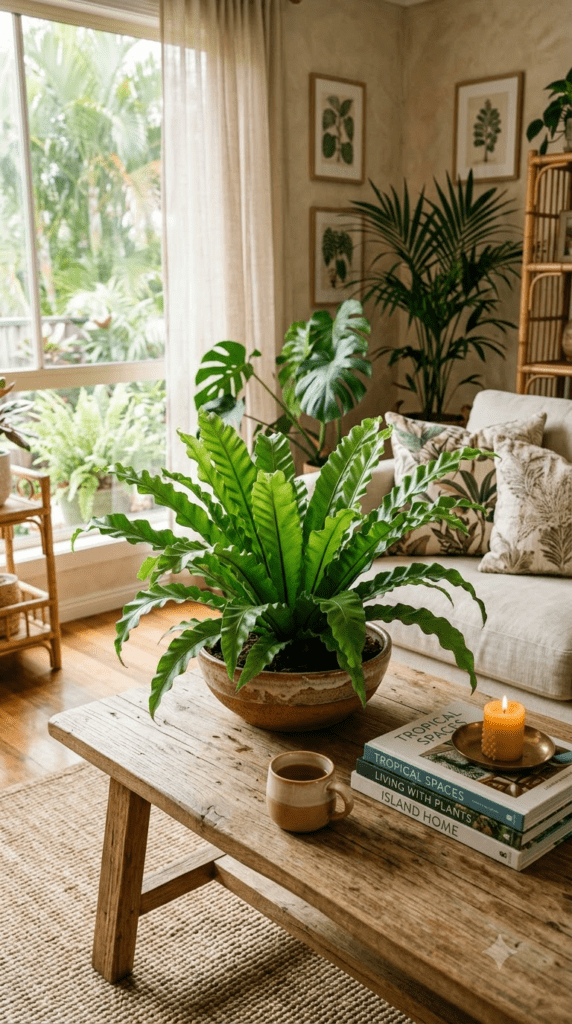
21. Bird’s Nest Fern
This tropical fern grows in a rosette of wide, wavy fronds and thrives in medium to low light, making it great for coffee tables and low shelves.
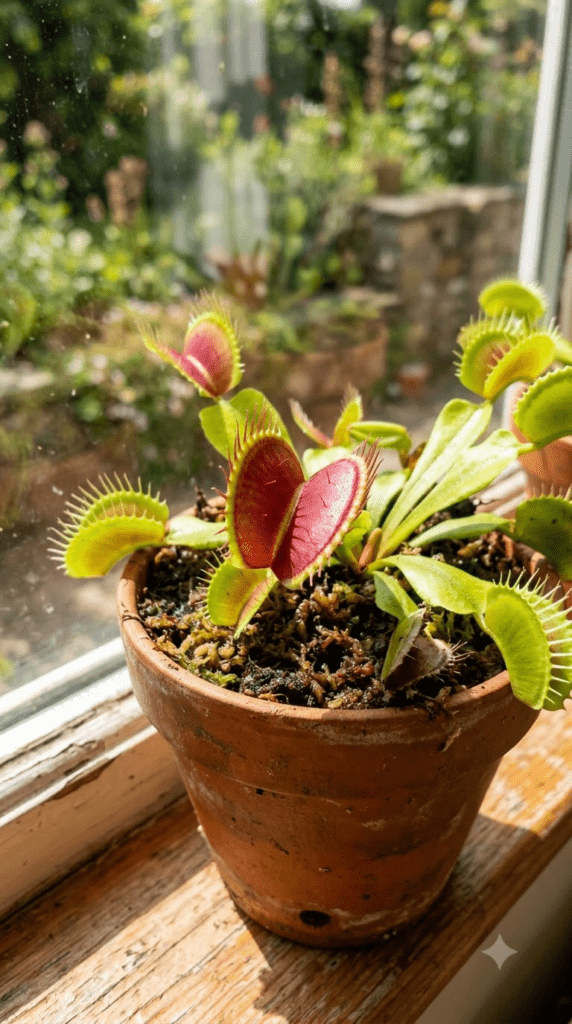
22. Venus Flytrap
This carnivorous curiosity is completely safe around pets and makes a fascinating conversation piece on a sunny windowsill.
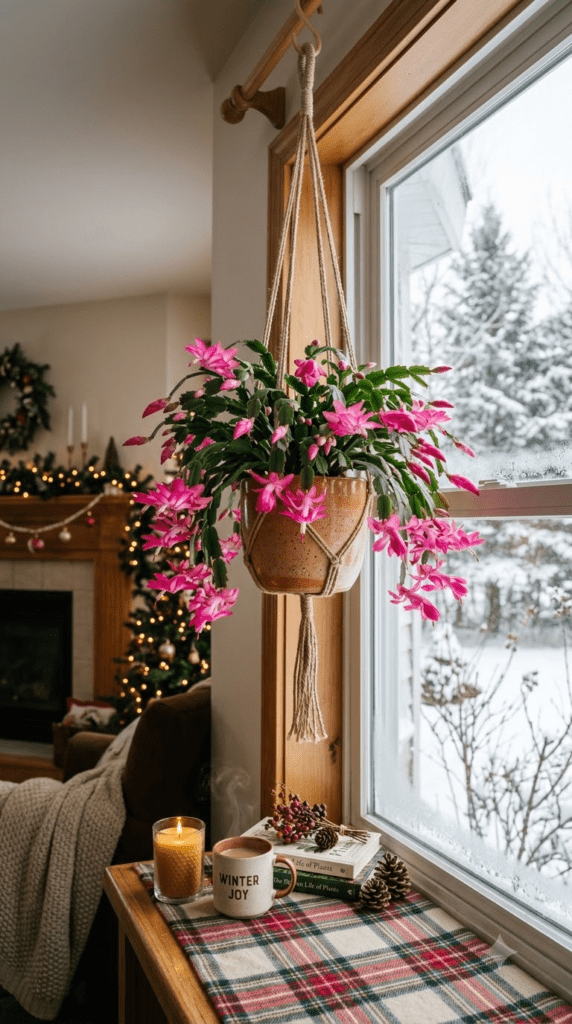
23. Christmas Cactus
Blooming in winter with vibrant pink, red, or white flowers, this easy-care succulent-like plant can live for years with minimal fuss.
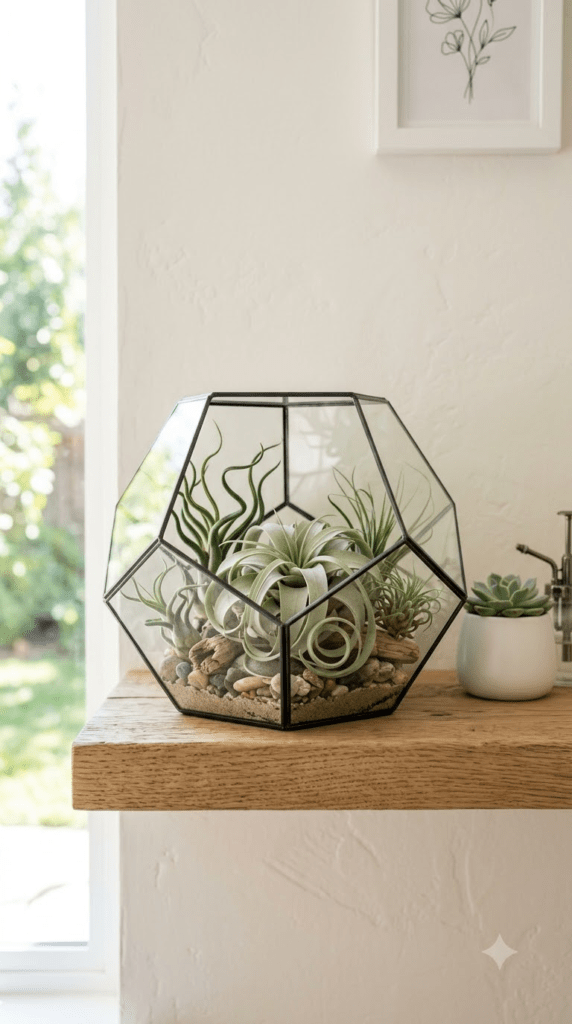
24. Air Plant
Needing no soil at all, air plants can be displayed in glass terrariums, seashells, or mounted on driftwood, and only need a weekly soak.
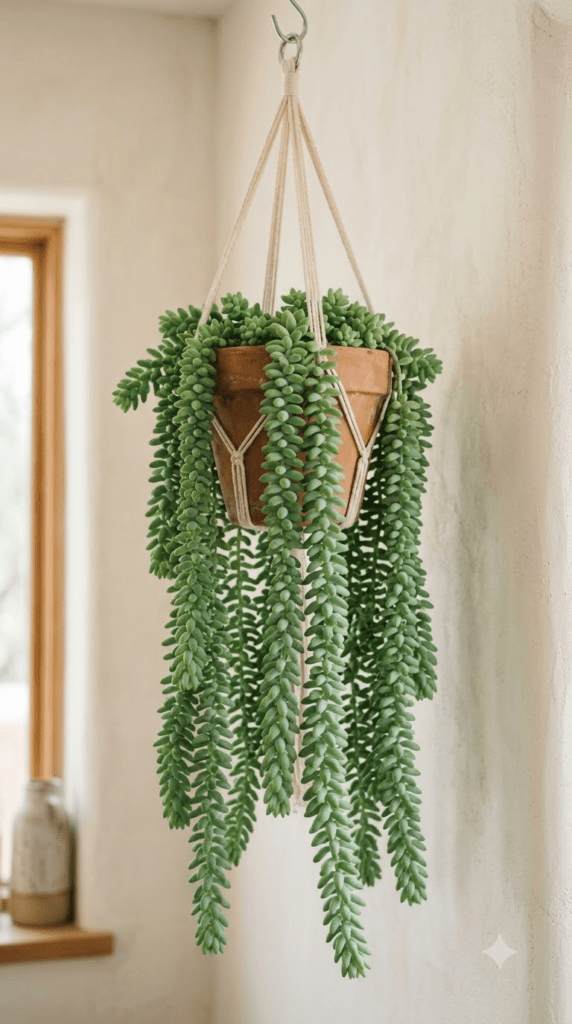
25. Burro’s Tail
This trailing succulent has plump, teardrop-shaped leaves that cascade beautifully from a hanging basket or high shelf.
Why Choose Pet-Safe Plants?
Filling your home with non-toxic greenery means you can enjoy the benefits of houseplants — cleaner air, added humidity, and a calmer atmosphere — without the anxiety of a surprise vet visit. Many popular houseplants, including lilies, pothos, philodendrons, and aloe vera, can cause anything from mild stomach upset to serious poisoning in cats and dogs, so it’s always worth double-checking a plant’s safety before bringing it home.
Tips for a Happy, Pet-Friendly Plant Home
- Place strategically: Use high shelves, hanging planters, or heavy pots tucked into corners pets don’t frequent.
- Watch for curiosity: Monitor how your pet reacts to a new plant during its first few days in your home.
- Know the warning signs: Drooling, vomiting, pawing at the mouth, or unusual lethargy can signal a pet has ingested something toxic — contact your vet immediately if you notice these symptoms.
- Keep a reference list: Save a list of pet-safe and toxic plants on your phone for quick checks while shopping.
- Train gently: Simple, consistent cues like “leave it,” paired with positive reinforcement, help pets learn to leave plants alone over time.
With a little planning, you can absolutely have a home filled with lush, thriving greenery and happy, healthy pets.