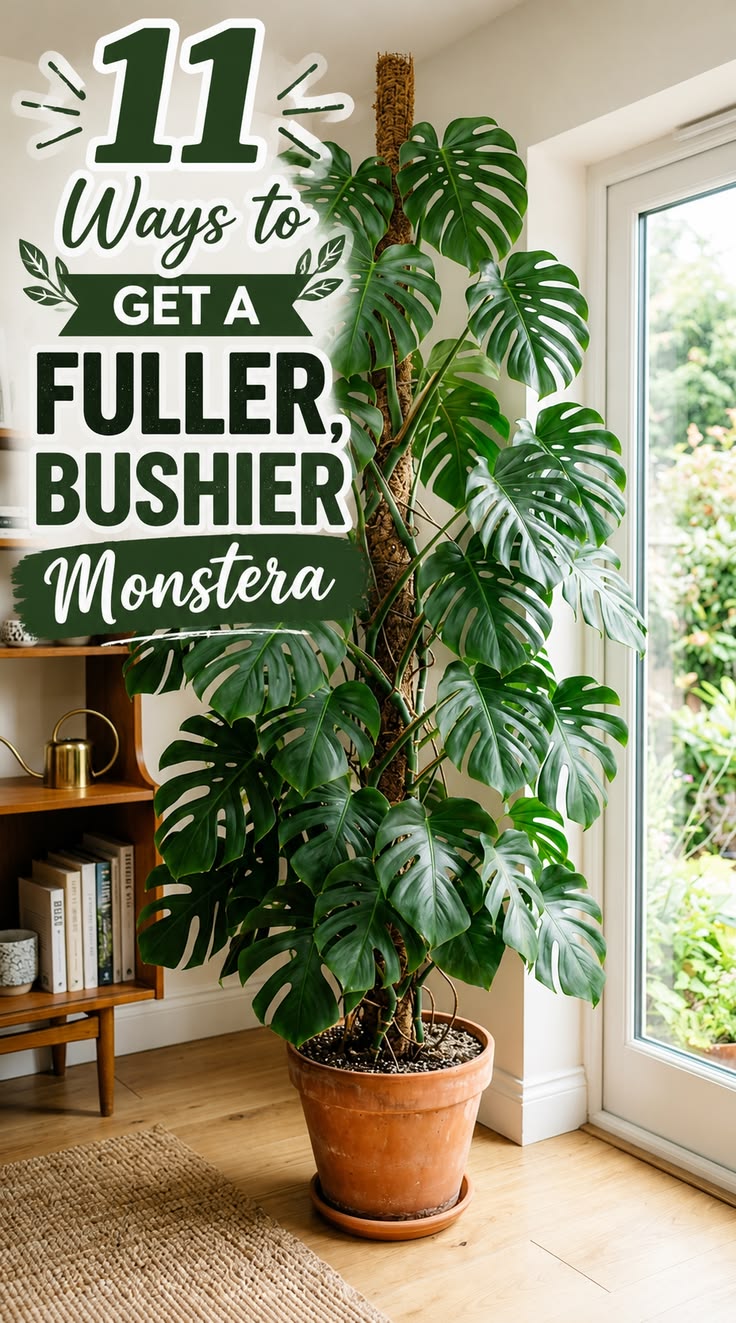
If your Monstera deliciosa has turned into a single tall, sparse vine with big gaps between leaves, you’re not alone — it’s one of the most common complaints among plant parents. The good news? Legginess isn’t permanent. With the right pruning, propagation, and care adjustments, you can transform a lanky Monstera into a lush, full, jungle-worthy statement plant.
Here are 11 proven ways to encourage a fuller, bushier Monstera in 2026 — plus an image prompt for each idea so you can visualize the look you’re going for.
1. Prune Above a Node to Force New Growth
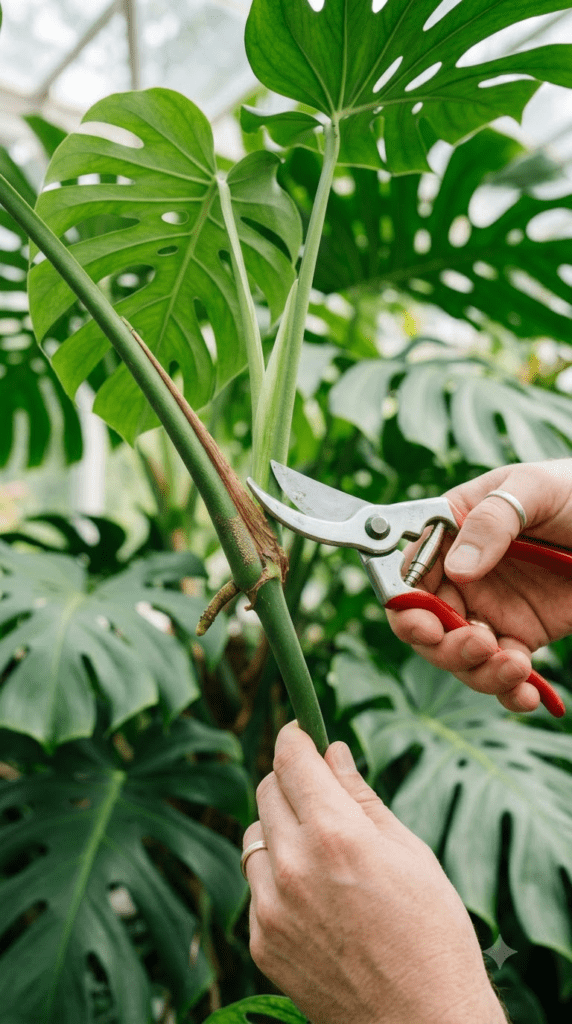
The single most effective way to bush out a leggy Monstera is to prune the main vine just above a node (the small bump on the stem where roots and leaves emerge). Cutting here signals the plant to redirect energy into producing new shoots, often resulting in two new growth points instead of one long vine.
11 Houseplants That Naturally Cool Down Your Home
16 Futuristic Bathroom Designs with Glowing LED Accents & Sleek Floating Vanities
24 Gorgeous Container Garden Designs You’ll Want to Copy
Rattlesnake Plant Care 101: 11 Secrets to Keep Those Wild Leaf Patterns Thriving
8 Stunning Money Plant Ideas to Transform Your Home Decor in 2026
Why it works: Removing the “apical dominance” of the top growth tip forces the plant to branch out laterally instead of just growing taller.
2. Propagate Cuttings and Replant in the Same Pot
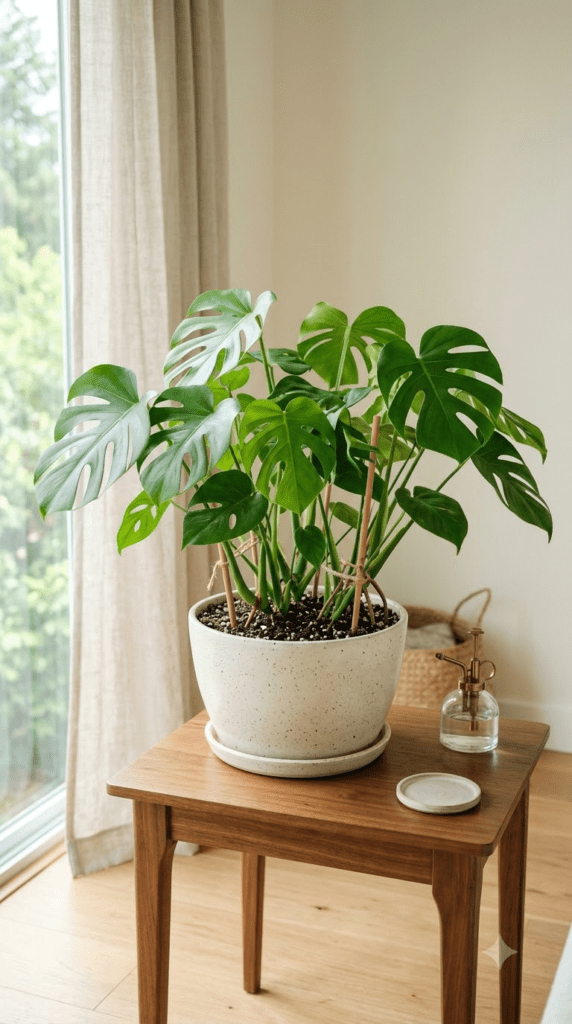
Instead of tossing your pruned cuttings, root them in water and replant them back into the mother plant’s pot once roots form. This instantly creates a fuller-looking plant with multiple stems growing from the same base.
Why it works: More stems in one pot naturally translates to more visual volume and density.
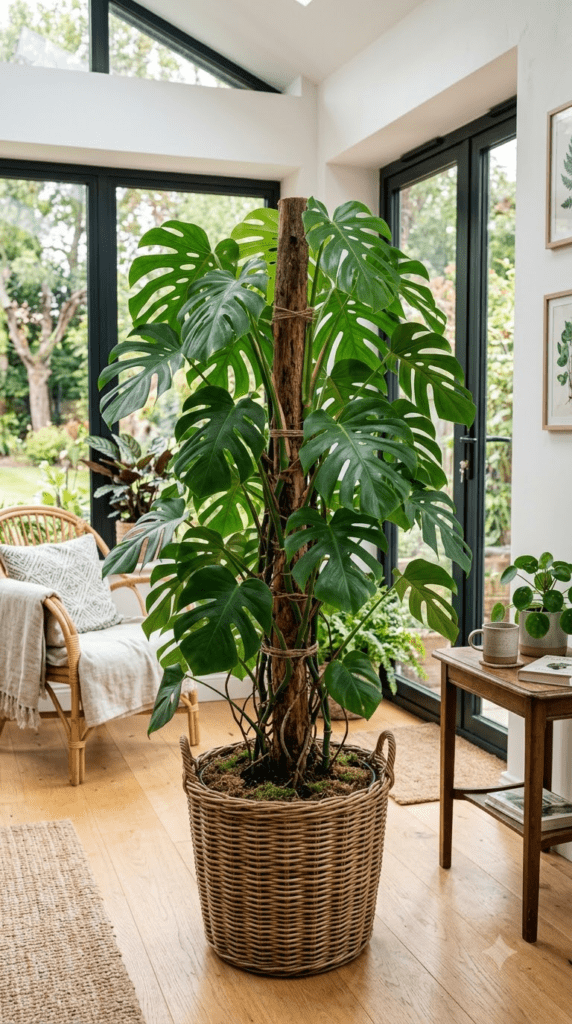
3. Give It a Moss Pole or Totem to Climb
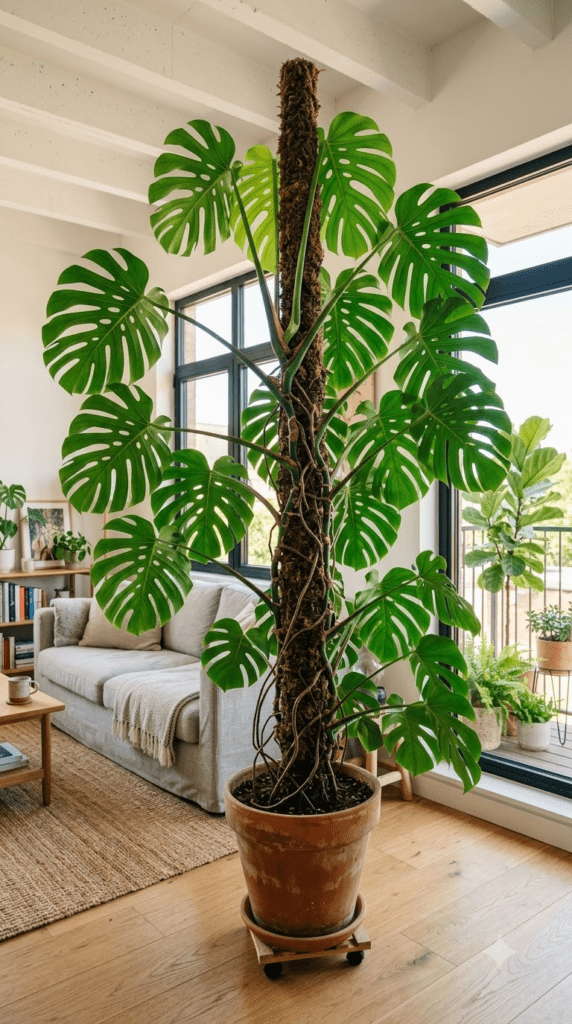
Monsteras are natural climbers, and in the wild they grow up tree trunks, which triggers larger, more fenestrated (split) leaves and denser growth. Adding a moss pole encourages upward, structured growth instead of sprawling, leggy vines.
Why it works: Climbing support mimics the plant’s natural habitat, prompting it to produce aerial roots and thicker, healthier foliage.
4. Rotate the Pot Regularly
Monsteras grow toward their light source, and if left in one position too long, they’ll lean and grow lopsided or leggy on one side. Rotating the pot a quarter turn every week or two encourages even, balanced growth on all sides.
Why it works: Even light exposure means even growth — no more one-sided, sparse-looking plants.

5. Increase Light Exposure
Low light is one of the top causes of leggy growth, as the plant stretches toward whatever light it can find, creating long gaps between leaves. Moving your Monstera to a spot with bright, indirect light will encourage tighter, denser leaf spacing.
Why it works: More light means the plant doesn’t need to “reach” as far between leaves, resulting in compact, bushy growth.

6. Fertilize During Growing Season
A hungry Monstera often produces smaller, sparser leaves. Feeding it a balanced liquid fertilizer every 4–6 weeks during spring and summer gives it the nutrients needed to push out larger, fuller foliage.
Why it works: Proper nutrition supports vigorous new growth rather than weak, stretched-out stems.

7. Wipe Down Leaves to Maximize Photosynthesis
Dust buildup on large Monstera leaves blocks light absorption, slowing growth and contributing to a sparse appearance over time. Regularly wiping leaves with a damp cloth keeps them clean and able to photosynthesize efficiently.
Why it works: Clean leaves absorb more light, fueling stronger, denser growth.

8. Repot Into a Slightly Larger Container
A root-bound Monstera in a too-small pot often stalls in growth, producing fewer and smaller leaves. Repotting into a container one size larger (with fresh, well-draining soil) gives roots room to expand and supports fuller top growth.
Why it works: Healthy, expanding roots directly support more vigorous, leafy growth above soil.

9. Stake Multiple Stems Together
If you have several Monstera stems or cuttings in one pot, gently bundling and staking them together with a single support creates an instantly fuller, more cohesive silhouette rather than individual sparse vines growing in different directions.
Why it works: Grouped stems visually read as one large, bushy plant instead of multiple thin ones.
10. Trim Yellow or Damaged Leaves Promptly
Leaving damaged, yellowing, or dying leaves on the plant wastes energy the Monstera could otherwise use for new growth. Regularly trimming these off keeps the plant’s energy focused on producing fresh, healthy foliage.
Why it works: Removing dead weight redirects nutrients toward new, fuller growth points.

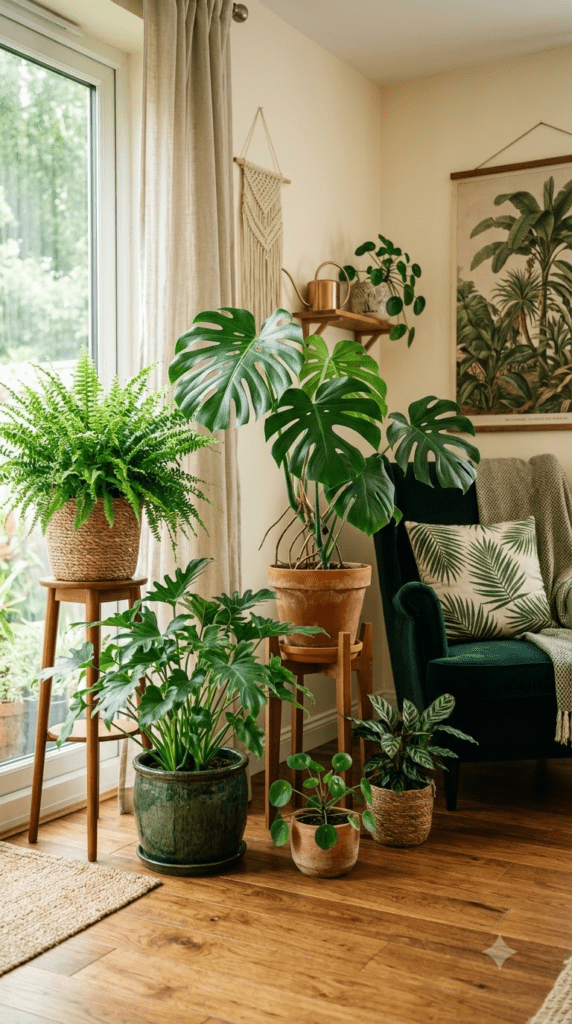
11. Group with Other Plants for a Fuller Look
If you want an instantly lush, bushy appearance while you wait for new growth, cluster your Monstera with other leafy plants like philodendrons, ferns, or calatheas. This creates a layered, jungle-like display that visually fills gaps.
Why it works: Even a leggy Monstera looks full and intentional when styled as part of a lush plant grouping.
Final Thoughts
A leggy Monstera isn’t a lost cause — it’s simply asking for a few adjustments. Combine strategic pruning with better light, nutrition, and propagation, and within a few growing seasons you’ll have a full, dense, jungle-worthy plant that turns heads. Patience is key: Monsteras are slow but steady growers, and consistent care will always pay off in fuller foliage.
Quick Care Tip
Always prune with clean, sharp shears to prevent disease, and make cuts just above a node — this is the exact spot where new growth will emerge.