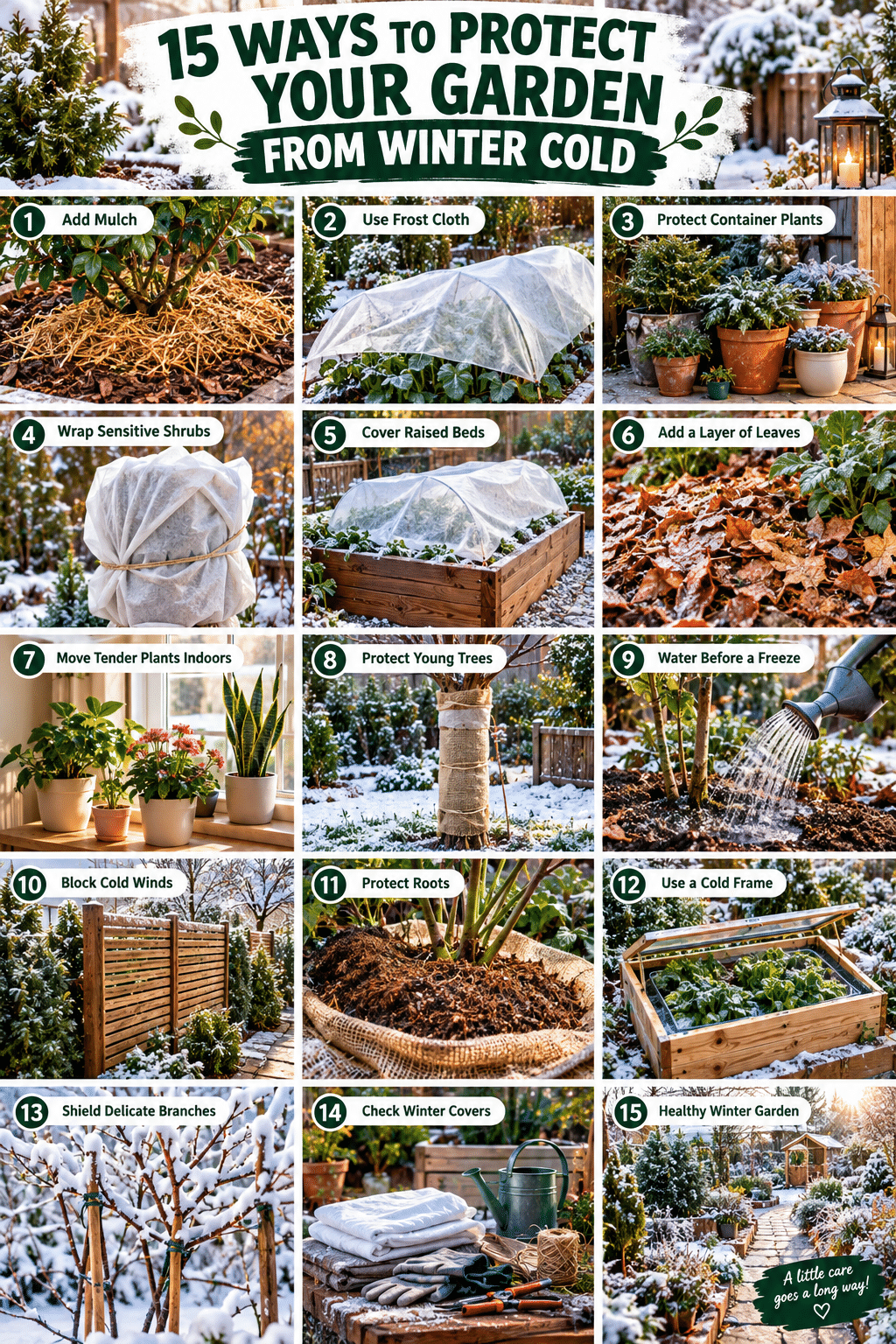
Winter can undo months of careful gardening in just a few hard freezes if plants, soil, and garden structures aren’t properly prepared. The good news is that most winter damage is preventable with some timely, relatively simple protective steps taken before the first real cold snap hits. A little preparation in fall pays off with healthier plants, better soil, and a garden that bounces back strong come spring.
Here are 15 winter garden protection tips, along with an image prompt and a unique title for each.
1. Mulch Garden Beds Generously
Apply a 2–4 inch layer of mulch — straw, shredded bark, or fallen leaves — over garden beds before the ground freezes to insulate roots and regulate soil temperature. This also helps prevent the freeze-thaw cycles that can heave plants right out of the soil.

Image Title: “A Blanket of Mulch Before the Freeze”
2. Wrap Tree Trunks
Young or thin-barked trees can suffer sunscald and frost cracking in winter, so wrapping trunks with tree wrap or burlap from the base up to the first branches offers protection. Remove the wrap in early spring once temperatures stabilize to avoid trapping moisture or pests.
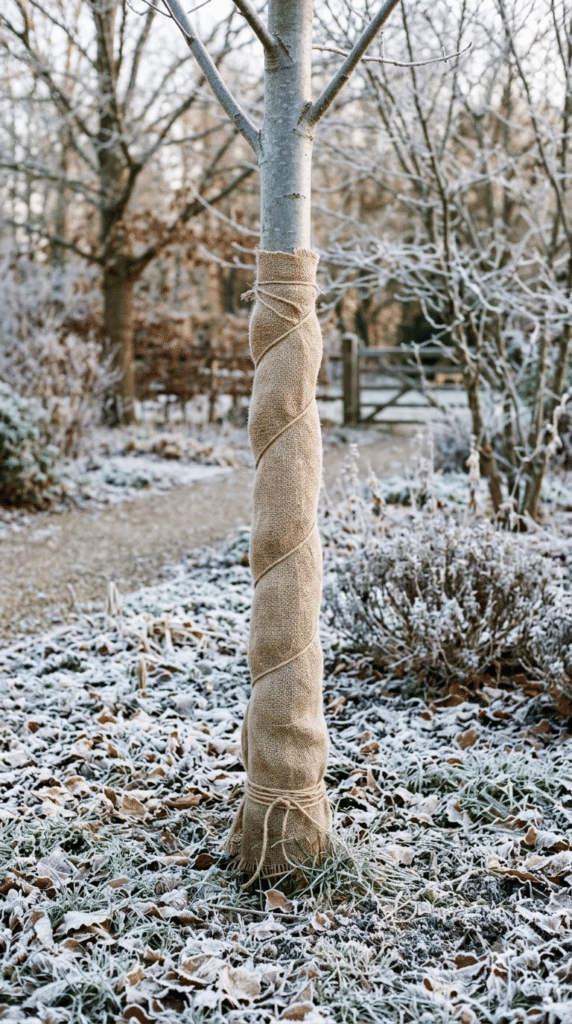
Image Title: “Wrapping Young Bark Against the Cold”
3. Cover Tender Perennials with Frost Cloth
Drape lightweight frost cloth or garden fleece over cold-sensitive perennials on nights when temperatures are expected to drop sharply, securing the edges with stakes or rocks. Remove the covering during the day to let plants breathe and get sunlight.
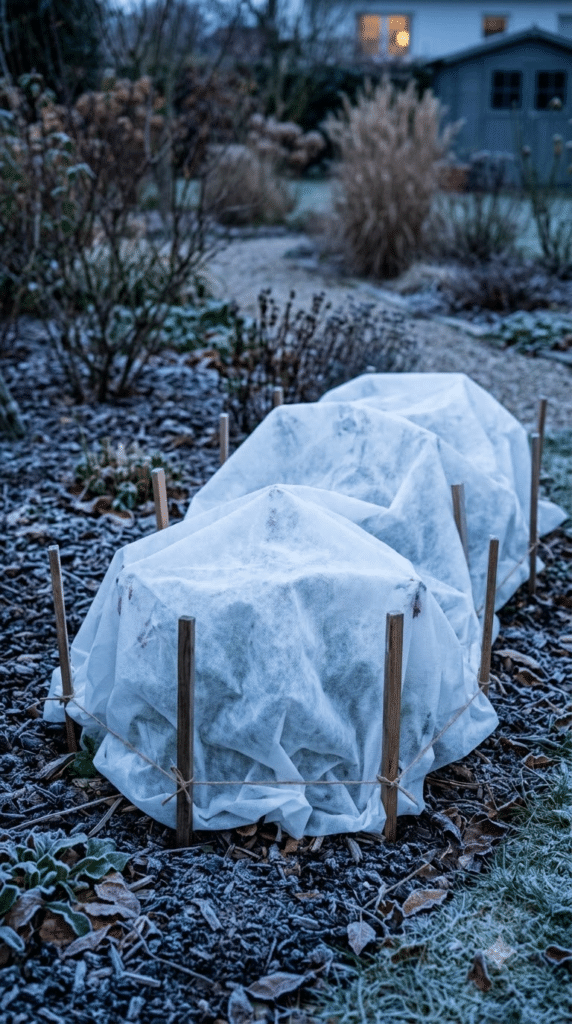
Image Title: “A Light Cloth Between Plants and Frost”
4. Bring Potted Plants Indoors or to Shelter
Container plants are far more vulnerable to freezing than those in the ground, since cold can penetrate from all sides of the pot. Move tender potted plants into a garage, greenhouse, or indoors before the first hard frost, and group hardier pots together against a sheltered wall.

Image Title: “Moving Pots to Safety Before the Frost”
5. Insulate Raised Beds and Containers
Wrap the outside of raised beds and large containers with bubble wrap, burlap, or specialized insulating fabric to buffer roots from extreme cold, since exposed sides freeze faster than the ground itself. This is especially important for perennials left in containers over winter.
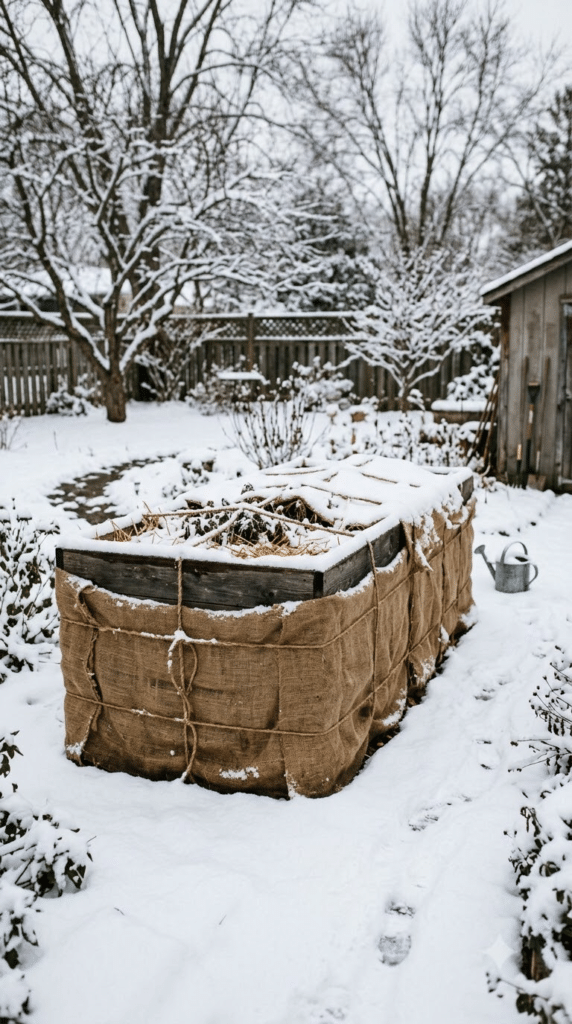
Image Title: “Extra Insulation for Beds Above Ground”
6. Water Before a Hard Freeze
Watering the garden thoroughly a day or two before an expected hard freeze actually helps protect plant roots, since moist soil retains heat better than dry soil and insulates against sudden temperature drops. Avoid watering right before the freeze itself, which can cause ice damage to foliage.

Image Title: “A Last Deep Drink Before the Freeze”
7. Prune Damaged or Dead Branches
Remove dead, damaged, or diseased branches in late fall to prevent them from breaking under the weight of snow or ice and causing further damage to the plant. Clean pruning cuts also reduce entry points for winter pests and disease.
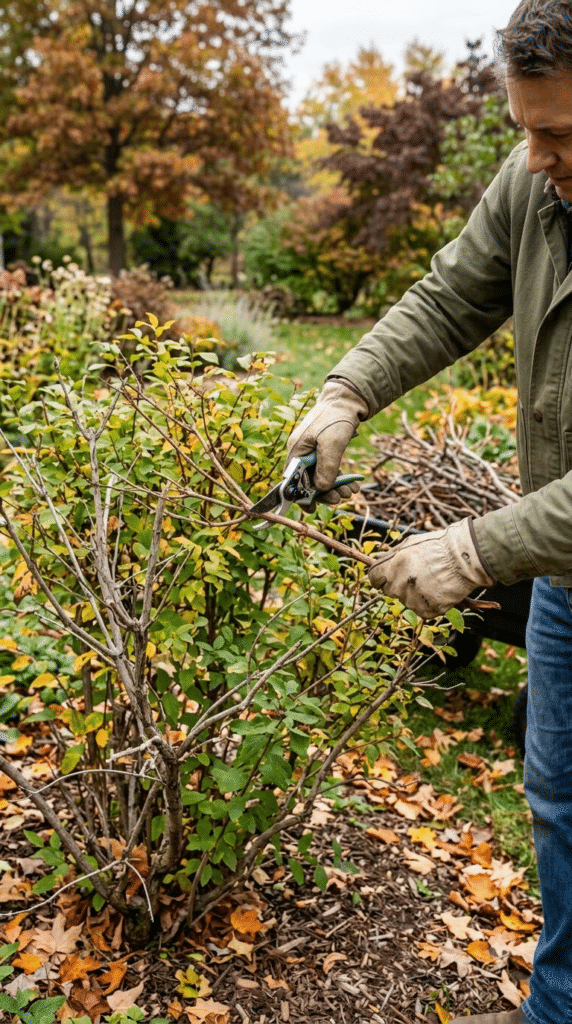
Image Title: “Clearing Out What Won’t Survive Anyway”
8. Protect Roses with a Mounding Technique
Mound extra soil or mulch 8–12 inches high around the base of rose bushes to insulate the graft union and crown from freezing temperatures, removing the mound gradually in spring as new growth begins. This simple step can be the difference between a rose surviving winter or not.
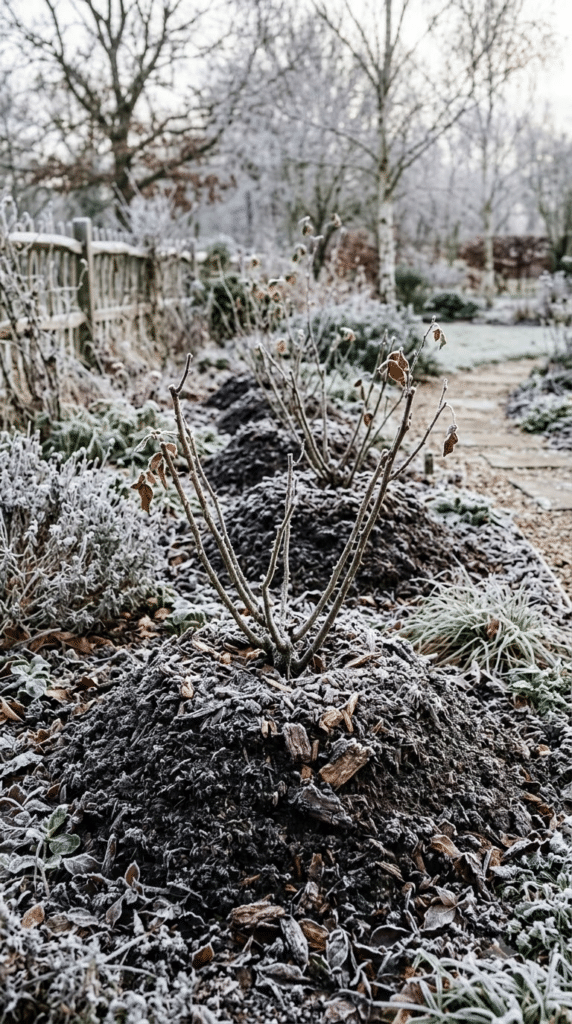
Image Title: “Mounding Up to Protect the Roots”
9. Cover Cold Frames or Build a Mini Greenhouse
For gardeners hoping to extend the growing season, a simple cold frame or small hoop-house greenhouse traps solar heat and protects cool-season crops like kale, spinach, and lettuce well into winter. Vent the structure on sunny days to prevent overheating.

Image Title: “Trapping a Little Extra Warmth for Winter Greens”
10. Shield Evergreens from Wind and Sun Scald
Set up a simple burlap screen or windbreak on the south and west sides of evergreens to protect them from winter sun scald and drying winds, which can damage foliage even in cold temperatures. This is especially important for newly planted evergreens still establishing their root systems.
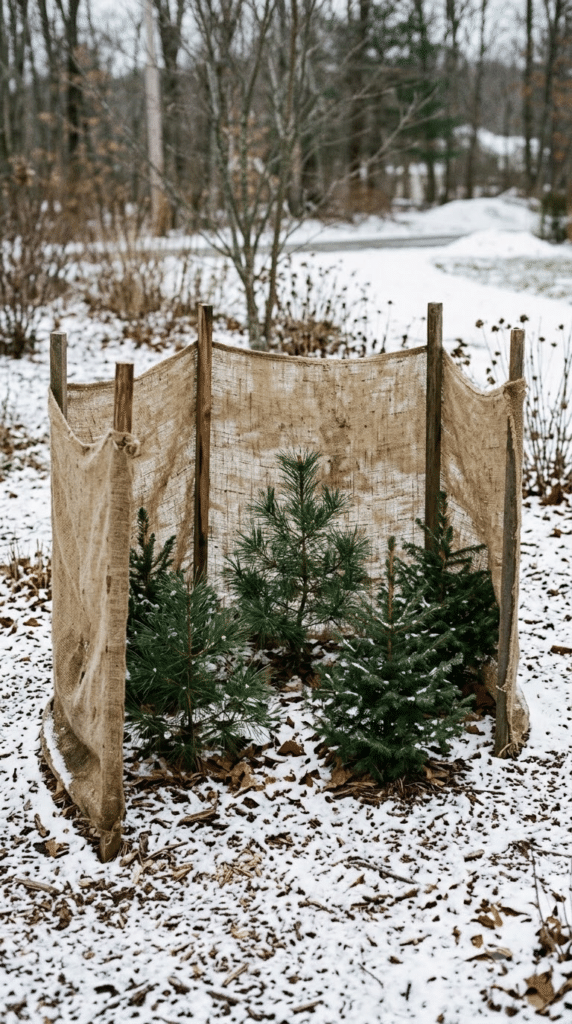
Image Title: “A Windbreak for Evergreens Still Settling In”
11. Clear Heavy Snow from Branches
After a heavy snowfall, gently brush snow off tree and shrub branches using a soft broom, working from the bottom up to avoid additional strain on already-bent limbs. Avoid shaking ice-covered branches, which are brittle and prone to snapping.

Image Title: “Lightening the Load After a Snowfall”
12. Protect Garden Tools and Equipment
Clean, dry, and oil garden tools before storing them for winter to prevent rust and keep them ready for spring, and drain and store hoses to prevent cracking from freezing water inside. Taking care of equipment now saves both money and hassle later.

Image Title: “Getting Tools Ready to Rest for the Season”
13. Add a Layer of Compost Before Winter
Spreading a layer of compost over garden beds in late fall feeds the soil slowly over winter and improves structure and drainage well before spring planting begins. This is also an ideal time to work in compost around perennials and shrubs without disturbing active growth.
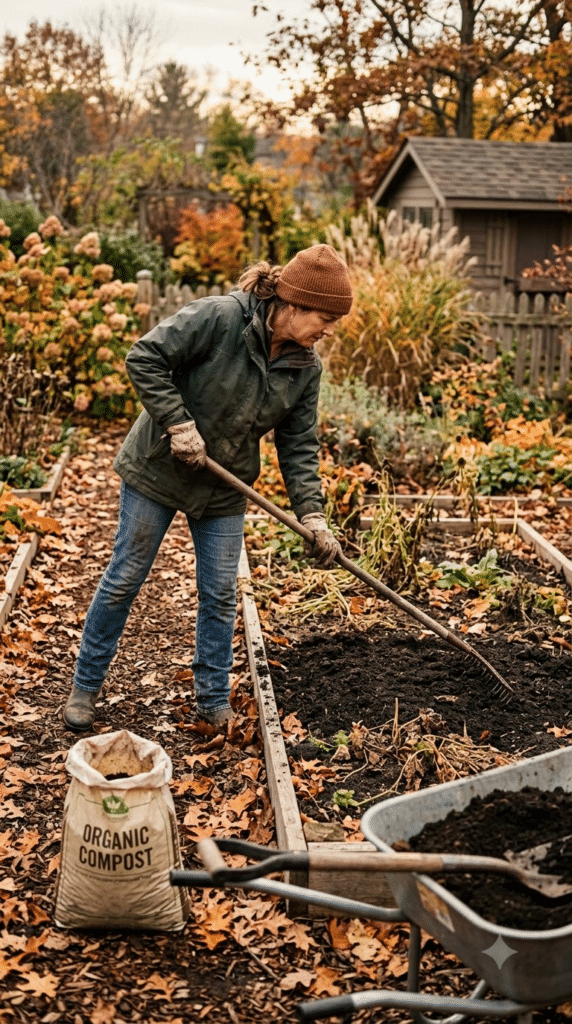
Image Title: “Feeding the Soil While It Sleeps”
14. Protect Bulbs from Freezing and Rodents
Tender bulbs like dahlias and gladiolus should be dug up, cleaned, and stored in a cool, dry place before the first hard freeze, while hardy bulbs left in the ground benefit from a layer of hardware cloth to deter digging rodents. Label stored bulbs clearly to avoid confusion come spring.
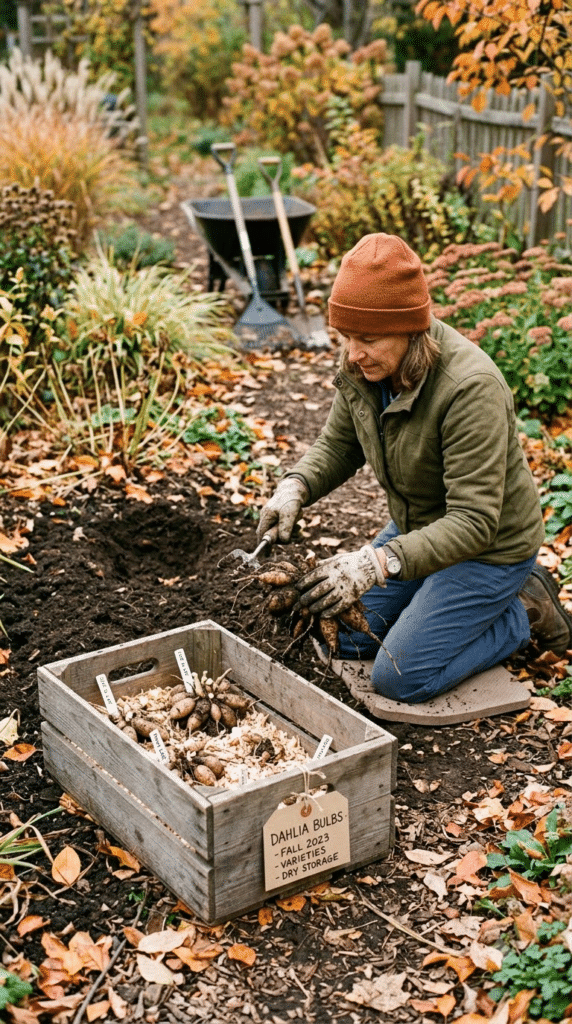
Image Title: “Tucking Bulbs Away for Safekeeping”
15. Monitor Weather and Adjust Protection as Needed
Keep an eye on the weather forecast throughout winter, since unexpected warm spells followed by sudden freezes can be more damaging than steady cold. Be ready to add or remove protective coverings as conditions shift rather than setting everything up once and forgetting about it.

Image Title: “Watching the Forecast, Ready to Adjust”
Final Thoughts
Protecting a garden through winter doesn’t require elaborate equipment — just a bit of timely mulching, covering, and monitoring before the coldest weather sets in. By insulating roots, shielding vulnerable plants, and giving tools and soil a bit of off-season care, you’ll set your garden up to bounce back strong and healthy the moment spring arrives.